

One year after President Donald Trump made sweeping pledges to lower energy costs and boost domestic production, the results are mixed, leaving Americans and industry observers assessing the real impact. While certain promises have shown measurable progress, others have faced economic and logistical hurdles.
Gasoline Relief vs. Rising Utility Bills
A key focus of Trump’s energy agenda was reducing costs for consumers. Gasoline prices have fallen noticeably, offering relief at the pump and resulting in significant savings for households. Drivers across the country have benefitted from lower fuel expenses, which has been cited by the administration as a major achievement.
However, electricity and utility bills tell a different story. Rising natural gas prices, infrastructure maintenance costs, and climate-related disruptions have led to higher monthly energy bills for many Americans. This disparity has limited the overall impact of the administration’s promises on household energy expenses.
Oil Production and Drilling Activity
Trump emphasized expanding U.S. oil production, but the number of active drilling rigs has declined slightly over the past year. While federal regulations have been eased and more land has been opened for energy exploration, global market factors such as oversupply and falling crude prices have dampened investment incentives for drilling companies.
Policy Decisions and Their Effects
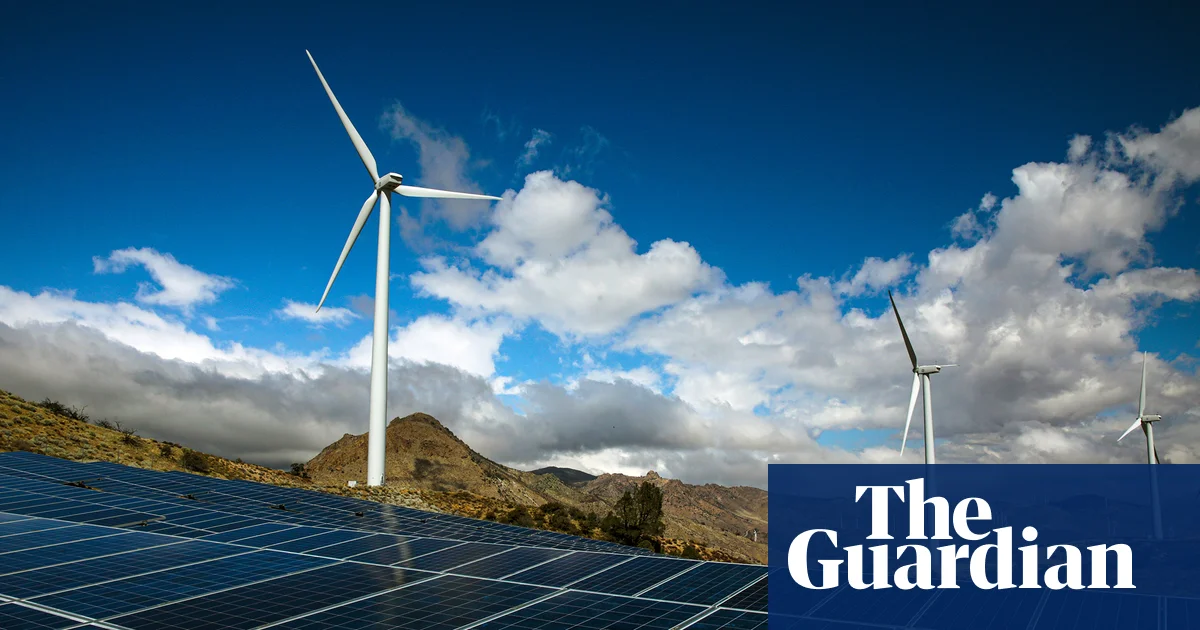
The administration has rolled back several environmental regulations, extended the operation of coal plants, and invested in nuclear energy initiatives to ensure energy reliability. At the same time, support for renewable energy projects, including wind and solar, has decreased, slowing the growth of cleaner energy options. Experts note that these policy choices prioritize short-term production over long-term efficiency and sustainability.
Public and Industry Reactions
Industry leaders have welcomed the deregulatory approach, yet caution that economic realities, such as market pricing and profitability, limit the effectiveness of certain initiatives. Consumer advocates praise lower gasoline prices but warn that rising utility costs reveal the complexity of national energy markets and the limits of executive influence.
Looking Forward
As Trump enters his second year, the administration faces pressure to balance immediate cost relief with sustainable energy policies. The success of future initiatives will depend on how global energy markets evolve, the pace of technological innovation, and the government’s ability to address long-term infrastructure and efficiency challenges.
While one year has brought some progress on energy costs and production, the full impact of Trump’s promises remains uncertain, highlighting the challenges of translating political pledges into tangible benefits for everyday Americans.














Leave a Reply