

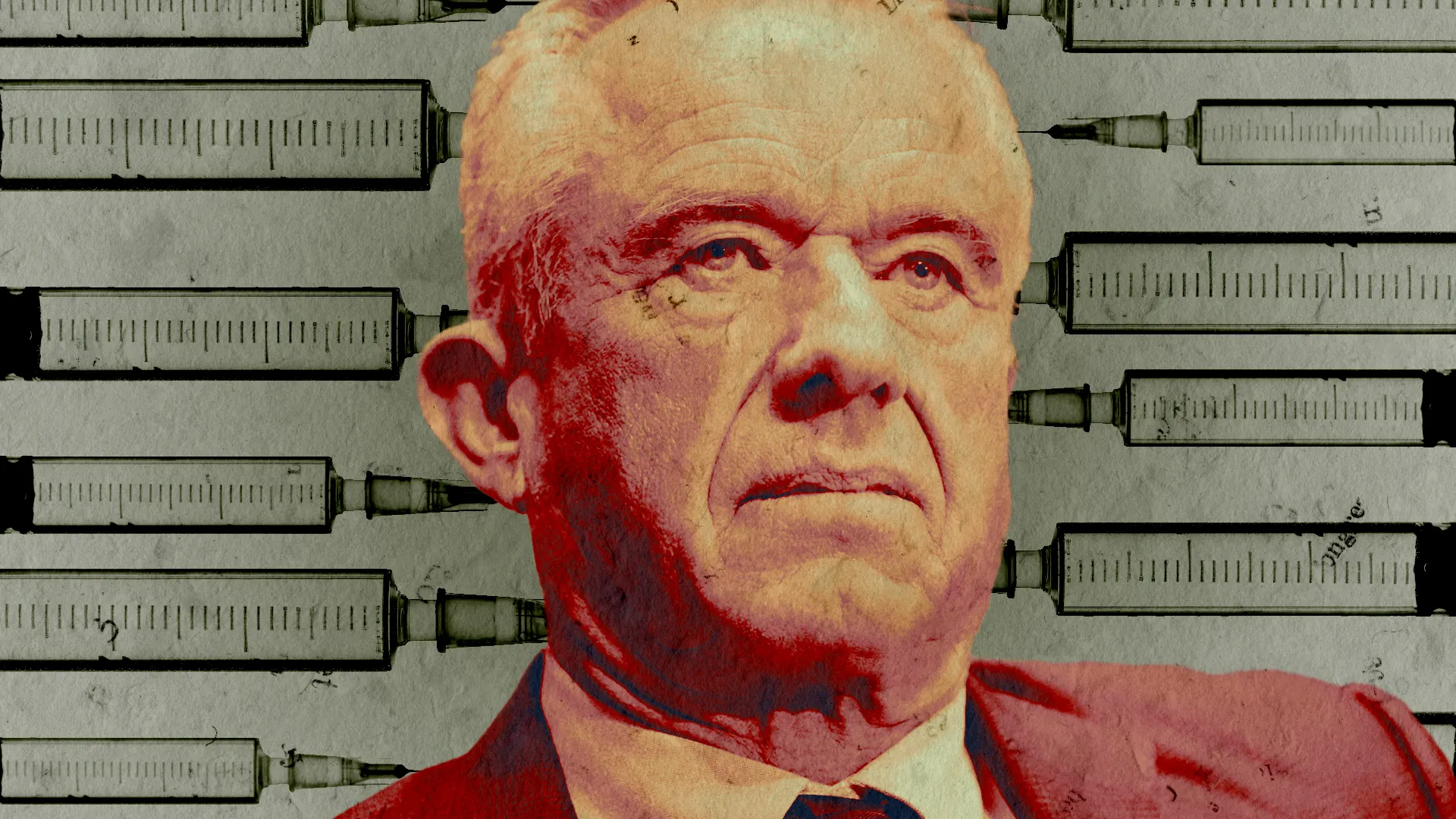
Public health experts are warning that children’s vaccination programs in the United States may face significant disruption, raising concerns about the safety and effectiveness of immunization coverage for millions of young Americans. Recent policy changes, evolving recommendations, and supply challenges are contributing to what some officials describe as a looming period of “chaos” for pediatric vaccines.
One key factor is the reevaluation of longstanding vaccination schedules by federal health authorities. Proposals to reduce the number of recommended shots for infants and young children, while intended to improve adherence and reduce perceived burdens on families, have prompted confusion among parents and healthcare providers. Critics argue that altering schedules without clear public guidance could lower vaccination rates and leave children vulnerable to preventable diseases.
Additionally, vaccine supply and distribution issues have exacerbated concerns. Manufacturing delays, coupled with logistical challenges in delivering vaccines to pediatric practices and clinics, have created intermittent shortages of key vaccines. Health departments in several states report that routine immunizations, such as those for measles, mumps, rubella (MMR), and diphtheria-tetanus-pertussis (DTaP), are temporarily difficult to access in some communities.
Public perception and misinformation also play a role in the uncertainty surrounding childhood immunizations. Social media and misinformation campaigns have amplified parental hesitancy, even as public health officials emphasize the safety and importance of vaccines. Experts caution that lowered immunization coverage could lead to outbreaks of preventable diseases, straining healthcare systems and posing a risk to vulnerable populations.
Pediatricians and healthcare organizations are urging clear, consistent communication from federal and state agencies. Guidance on vaccination schedules, access points, and the rationale for policy changes is essential to maintaining public trust. Many pediatric providers have already begun reaching out proactively to families to ensure that children receive timely vaccinations and understand the importance of adhering to recommended schedules.
The potential consequences of disrupted vaccination programs extend beyond individual children. Herd immunity, which protects communities from the spread of infectious diseases, relies on a high level of immunization coverage. Any decline in vaccination rates could threaten this protective barrier, increasing the likelihood of outbreaks and placing immunocompromised children at heightened risk.
Some experts call for renewed investment in vaccine education and community outreach, as well as contingency planning to address supply chain vulnerabilities. Ensuring the continuity of childhood immunizations will require coordination between public health agencies, healthcare providers, and community organizations to safeguard children’s health and prevent a resurgence of diseases once considered under control.
As the nation navigates these emerging challenges, the message from public health officials is clear: maintaining high vaccination coverage for children is critical. Failure to address supply issues, policy clarity, and parental concerns could usher in a period of instability for pediatric immunization programs, with potentially serious public health consequences.
















Leave a Reply