

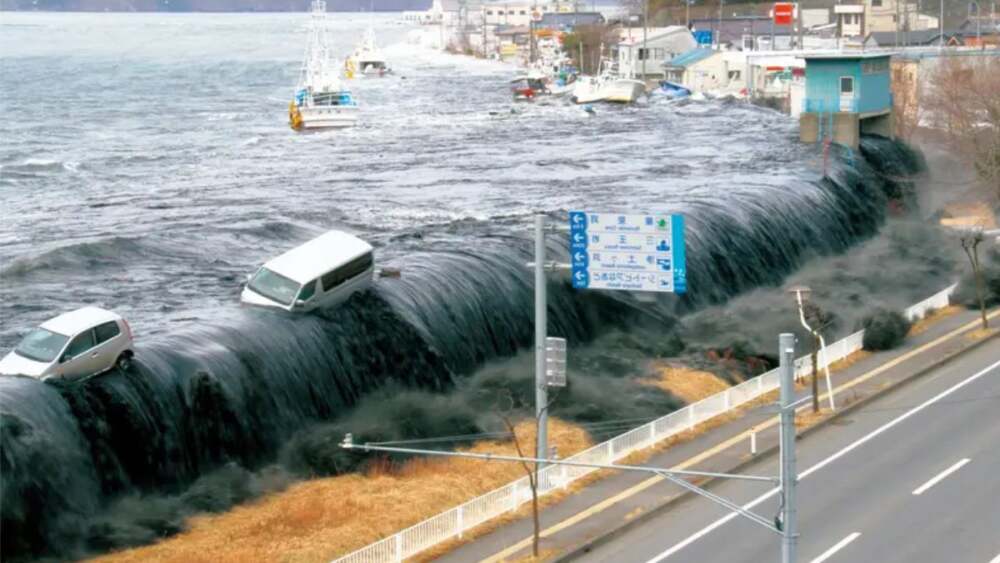
A strong earthquake measuring magnitude 7.8 struck off the coast of Russia’s Kamchatka Peninsula early Thursday, prompting brief tsunami advisories in parts of Alaska before they were lifted.
Details of the Quake
The U.S. Geological Survey reported the epicenter around 127 kilometers east of Petropavlovsk-Kamchatsky, at a shallow depth of about 19 kilometers. The quake was powerful enough to trigger widespread concern, and a series of aftershocks followed, the strongest reaching magnitude 5.8.
Tsunami Concerns
Following the quake, tsunami advisories were issued for sections of the western Aleutian Islands in Alaska. Authorities urged coastal residents to stay alert for unusual water movement and potential hazards. Hours later, the advisory was canceled after further assessments indicated there was no significant threat to life or property.
Regional Impact
No injuries or major damage have been reported so far. The sparsely populated nature of the region is believed to have reduced potential harm. Emergency services in both Russia and Alaska monitored the situation closely, preparing for any sudden changes in sea levels.
Broader Context
Kamchatka is one of the world’s most seismically active regions, and recent weeks have seen several powerful tremors in the area. Experts note that undersea quakes of this scale always carry the risk of triggering tsunamis, underscoring the importance of quick warnings and global cooperation in monitoring seismic activity.
Looking Ahead
While the immediate threat has passed, the earthquake serves as a reminder of the Pacific Ring of Fire’s volatility. Communities across the Pacific Rim remain on alert for future seismic events, and disaster preparedness continues to be a critical priority for coastal regions vulnerable to earthquakes and tsunamis.

















Leave a Reply