

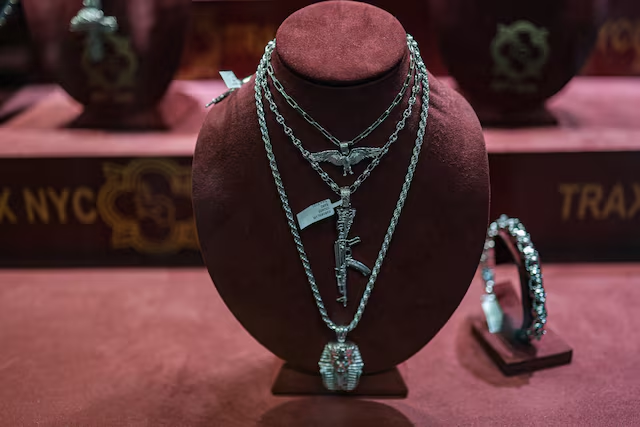
Global precious metals markets surged dramatically as silver vaulted past the $75 mark, while gold and platinum climbed to fresh all-time highs, signaling a powerful shift in investor sentiment toward hard assets. The rally reflects a convergence of economic uncertainty, currency pressures, and robust industrial demand, pushing metals into a new phase of sustained strength.
Silver’s sharp rise has drawn particular attention. Often seen as both an industrial metal and a store of value, silver benefited from strong demand in renewable energy, electronics, and battery technologies. Supply constraints, including limited new mining output and declining inventories, have further tightened the market. Traders say momentum-driven buying accelerated once the metal breached key psychological levels, fueling a rapid advance beyond $75.
Gold, long regarded as the ultimate safe-haven asset, extended its record-breaking run as investors sought protection against inflation risks, geopolitical tensions, and concerns over long-term fiscal stability in major economies. Central bank purchases have remained strong, with several countries continuing to diversify reserves away from traditional currencies. This steady institutional demand has provided a powerful floor under gold prices, even during periods of market calm.
Platinum’s rally has been equally notable, with prices hitting unprecedented highs amid tightening supply and improving demand prospects. The metal plays a crucial role in automotive catalytic converters and emerging hydrogen technologies, both of which have seen renewed investment. Supply disruptions in key producing regions, combined with years of underinvestment in mining capacity, have amplified price pressures.
Analysts point to broader macroeconomic forces behind the metals surge. Expectations that global interest rates may stabilize or decline have reduced the opportunity cost of holding non-yielding assets like gold and silver. At the same time, a weaker outlook for major currencies has boosted demand for tangible stores of value. Market volatility in equities and bonds has also driven diversification into commodities.
Retail investors have joined institutional players in piling into precious metals, with strong inflows reported into bullion-backed products and increased physical buying in key markets. Jewelry demand, particularly in Asia and the Middle East, has remained resilient despite higher prices, underscoring the depth of underlying demand.
However, some market watchers caution that rapid price gains could invite short-term pullbacks. Elevated prices may encourage profit-taking, and any shift toward tighter monetary policy or improved economic stability could temporarily cool momentum. Still, many believe the structural drivers supporting precious metals remain firmly in place.
Mining companies have welcomed the surge, though higher prices have yet to translate into immediate increases in supply due to long project timelines and regulatory hurdles. This lag suggests that tight market conditions could persist, supporting prices over the medium term.
As silver, gold, and platinum continue to climb, their record-setting performance highlights a broader reassessment of risk and value in the global financial system. Whether driven by caution or opportunity, investors are increasingly turning to precious metals as both a hedge and a strategic asset in an uncertain world.










Leave a Reply