

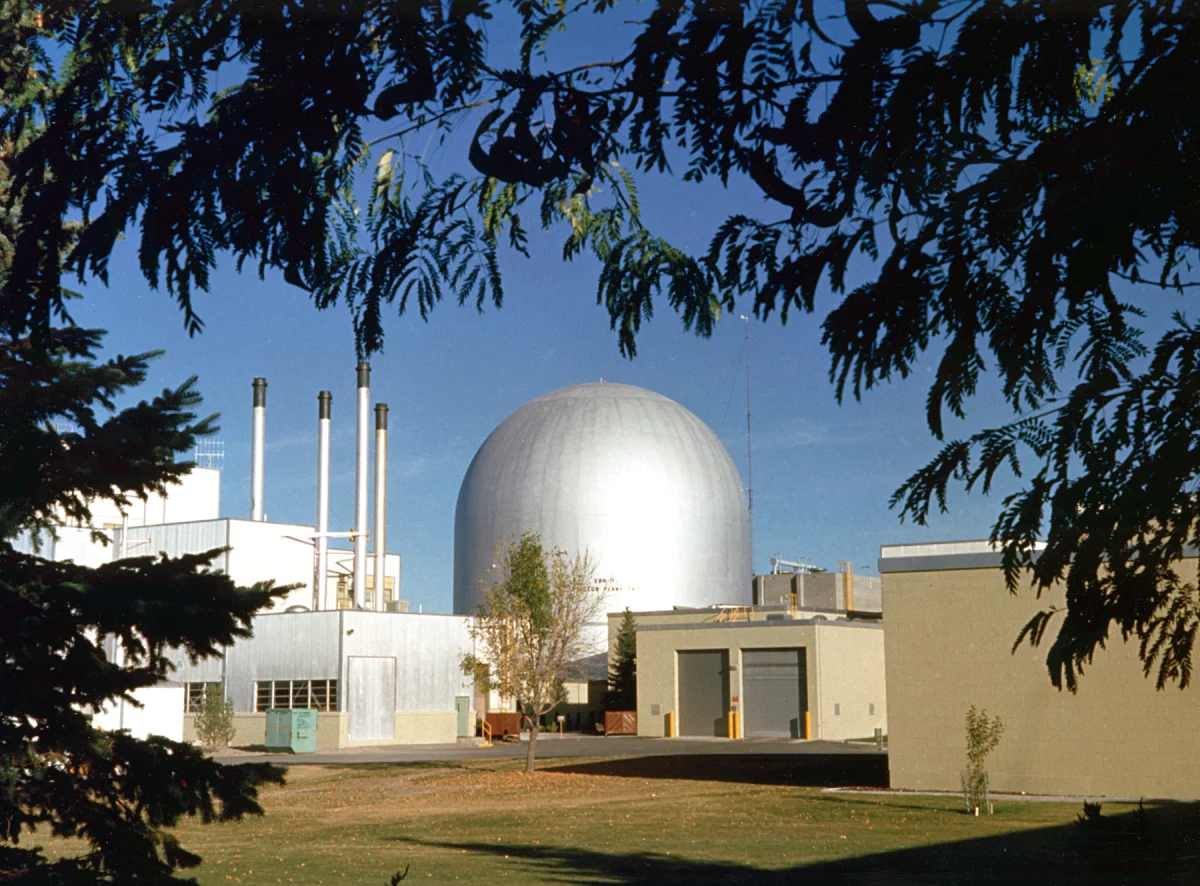
Former President Donald Trump’s aggressive plan to accelerate the construction of nuclear reactors across the United States has ignited debate over energy policy, safety standards, and regulatory readiness. Advocates tout the strategy as a path toward energy independence and carbon reduction, but critics warn that the rush could compromise safety and public oversight.
Ambitious Nuclear Goals
Trump’s initiative aims to expand nuclear power generation at an unprecedented pace. The plan envisions multiple new reactors built nationwide over the next decade, with the stated goals of reducing reliance on foreign energy, lowering greenhouse gas emissions, and bolstering national security by strengthening domestic energy infrastructure.
Proponents argue that nuclear energy offers a stable, carbon-free alternative to fossil fuels and intermittent renewables, potentially providing the backbone for a modernized energy grid. Trump has repeatedly emphasized the strategic and economic benefits, framing nuclear expansion as both a jobs driver and a hedge against geopolitical energy shocks.
Safety and Regulatory Concerns
Experts, however, caution that accelerating reactor construction carries significant risks. Nuclear reactors are highly complex systems that require meticulous planning, stringent safety protocols, and rigorous oversight. Compressing timelines could strain regulatory bodies, increase the likelihood of construction errors, and potentially compromise the safety of nearby communities.
Environmental groups and former nuclear engineers warn that lessons from past incidents—like Fukushima and Three Mile Island—underscore the dangers of pushing nuclear projects ahead too quickly. They emphasize that even small miscalculations in design, waste management, or emergency preparedness can have far-reaching consequences.
Infrastructure and Workforce Challenges
Beyond safety, the rapid expansion raises logistical questions. Building reactors requires a highly specialized workforce, advanced supply chains for nuclear-grade materials, and secure transportation of radioactive components. Critics argue that scaling up too quickly could lead to delays, cost overruns, or reliance on less-experienced contractors, compounding the risks of errors.
Additionally, managing spent fuel and radioactive waste remains an unresolved challenge in the U.S., and a rush to expand nuclear capacity could intensify these concerns. Communities near planned sites have expressed apprehension about both short-term construction hazards and long-term environmental impacts.
Political and Public Reactions
The plan has divided policymakers and the public. Supporters see it as a bold step toward energy security and a counterweight to fossil fuel dependence, while opponents call for a measured approach that prioritizes safety, regulatory compliance, and long-term sustainability. Congressional hearings and state-level reviews are expected as construction proposals move forward.
Looking Ahead
As the Trump-backed initiative progresses, the U.S. faces a delicate balancing act: harnessing nuclear power to meet energy and climate goals while ensuring the highest safety and environmental standards. The debate highlights a broader question about whether speed or caution should define the next chapter of America’s energy future.













Leave a Reply