

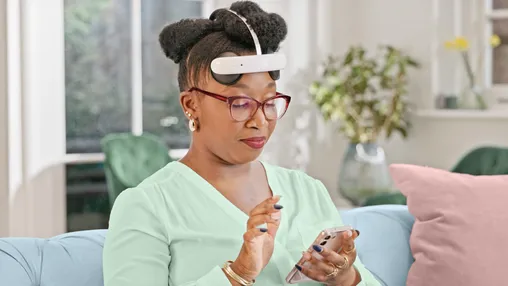
A new FDA-cleared at-home device is offering hope for millions of people struggling with depression, delivering gentle electrical stimulation to the brain in the comfort of their own homes. Early reports suggest the device may provide an effective alternative for patients who do not respond to traditional antidepressants or therapy.
How the Device Works
The device uses a technique called transcranial electrical stimulation (tES) to deliver mild, controlled electrical currents to targeted regions of the brain. These gentle zaps are designed to modulate neural activity, helping to rebalance circuits linked to mood regulation.
Key features of the device include:
- User-friendly design: Patients can safely operate the device at home with minimal training.
- Personalized programs: Settings are adjustable based on patient response and medical guidance.
- Non-invasive and painless: Stimulation is gentle, causing minimal discomfort compared to other neurostimulation methods.
Clinical researchers emphasize that the device does not require surgery, anesthesia, or hospitalization, making it a convenient option for long-term management of depressive symptoms.
Clinical Evidence and Effectiveness
Studies leading to FDA approval showed that the device:
- Significantly reduces symptoms of moderate to severe depression over several weeks of regular use
- Improves mood, energy, and cognitive function in many patients
- Exhibits minimal side effects, typically limited to mild scalp tingling or slight headaches
Dr. Amanda Li, a psychiatrist involved in the trials, stated, “This device provides a new tool for patients who have struggled with conventional treatments. It’s exciting because it combines effectiveness with convenience and safety.”
Advantages Over Traditional Treatments
Traditional depression treatments, such as medications or in-clinic therapies like transcranial magnetic stimulation (TMS), can present challenges:
- Medications may cause systemic side effects like weight gain, fatigue, or gastrointestinal issues.
- In-clinic therapies require frequent appointments and travel, which can be burdensome for patients.
The at-home brain stimulation device offers flexibility, autonomy, and a lower barrier to access, potentially reaching patients who have previously avoided or discontinued treatment.
Considerations and Safety
While the device shows promise, experts caution that it is not a cure for depression and should be integrated into a comprehensive treatment plan, potentially including therapy, lifestyle changes, and medications.
- Patients should consult a healthcare professional before use, especially if they have neurological conditions or implanted medical devices.
- Regular monitoring of mood and symptom progression is recommended to assess effectiveness.
Looking Ahead
The approval of this at-home device marks a significant milestone in mental health technology, representing a shift toward accessible, patient-centered neurotherapies. Researchers hope future versions will expand indications to other psychiatric conditions such as anxiety, post-traumatic stress disorder, and chronic pain management.
By bringing safe, effective brain stimulation into homes, the device promises to reshape how depression is treated, providing millions with an innovative option to regain control over their mental well-being.
















Leave a Reply