

- Immunotherapy: Harnessing the body’s immune system to recognize and destroy cancer cells with fewer side effects than traditional treatments.
- Personalized Medicine: Tailoring treatment plans based on an individual’s genetic profile, tumor characteristics, and lifestyle factors.
- Advanced Drug Delivery Systems: Techniques like nanoparticle carriers or localized treatments that reduce systemic exposure and toxicity.
These approaches aim to maintain high efficacy while improving long-term survivorship and quality of life for younger patients.
Prevention, Early Detection, and Awareness
In addition to developing gentler treatments, public health experts stress the importance of early detection, regular screenings, and lifestyle interventions. Increasing awareness among younger demographics—who may not consider themselves at risk—is key to catching cancers at more treatable stages.
The Future of Cancer Care for Young Patients
The rising incidence of cancer in younger populations highlights the urgent need for compassionate, patient-centered oncology. Researchers are optimistic that advances in genomics, immunology, and precision medicine will transform treatment paradigms, offering cures with fewer collateral effects.
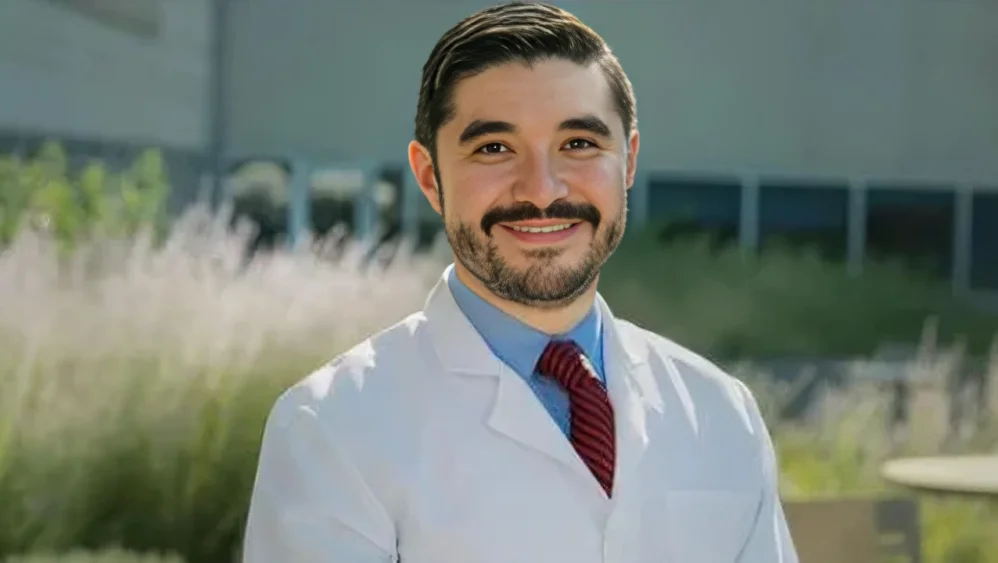
As Dr. Morales puts it:
“Our goal is not just to extend life, but to ensure the decades after treatment are lived fully, without the heavy toll of side effects. We have to make kinder medicines.”
With continued innovation and public health initiatives, the hope is that younger patients will face cancer diagnoses with more effective, less harmful options, and that survivorship will be defined by health, not treatment-related complications.
















Leave a Reply