

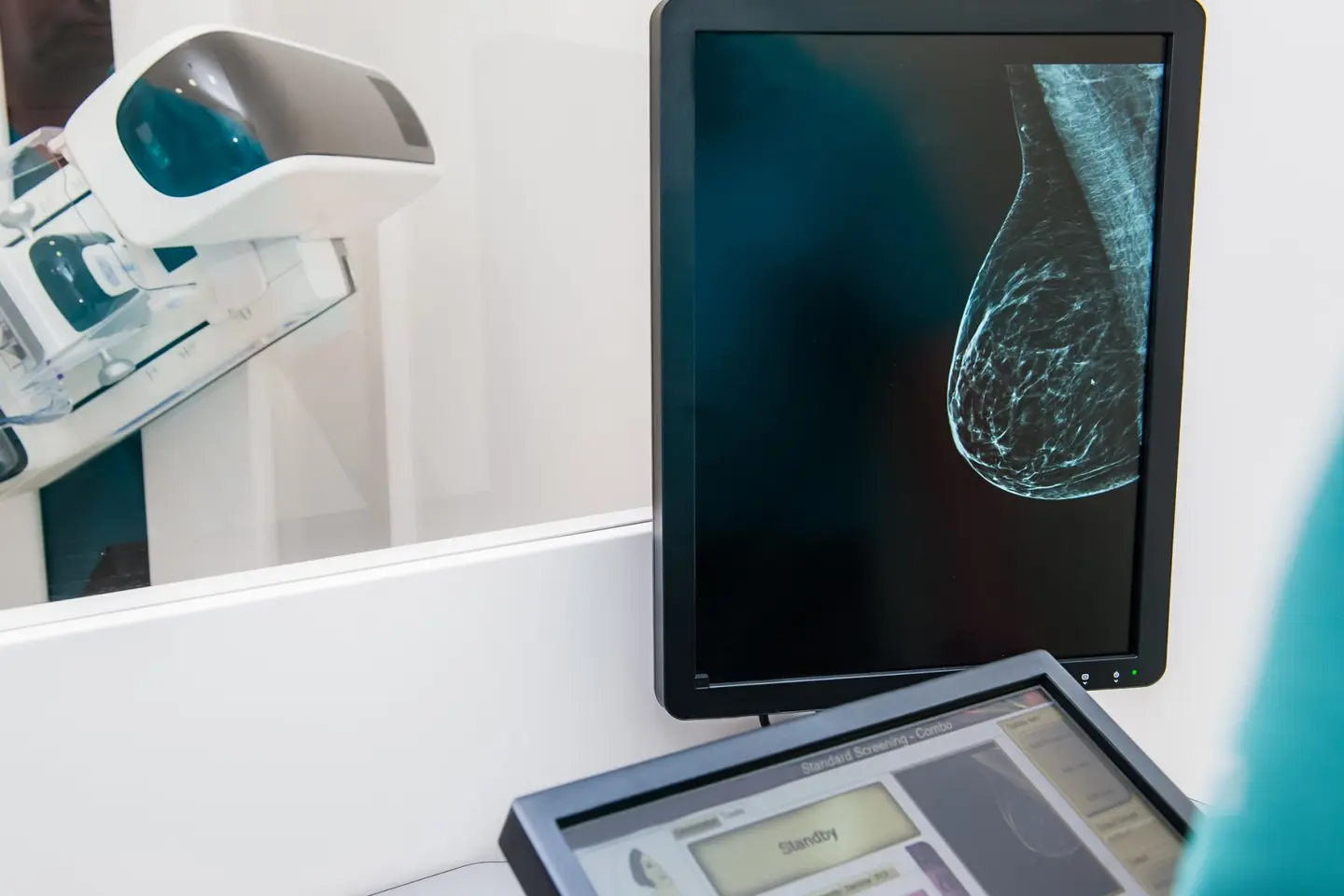
New research indicates that risk-based breast cancer screening can be as effective as traditional annual mammograms for women over 40, potentially reshaping preventive care strategies and reducing unnecessary medical interventions. The findings come amid ongoing debates over the optimal frequency and method of breast cancer screening.
What Is Risk-Based Screening?
Risk-based screening tailors mammography schedules to an individual’s personal risk factors, such as:
- Family history of breast cancer
- Genetic mutations (e.g., BRCA1 or BRCA2)
- Breast density
- Lifestyle and reproductive factors
Rather than a uniform annual approach, higher-risk individuals may be screened more frequently, while lower-risk women may have longer intervals between screenings.
Key Findings
The study, conducted over several years and involving tens of thousands of participants, found that:
- Detection rates for clinically significant breast cancers were comparable between risk-based and annual screening groups.
- Women following personalized schedules experienced fewer false positives and unnecessary biopsies, reducing anxiety and exposure to unnecessary procedures.
- Healthcare resources could be allocated more efficiently, focusing on those at greatest risk while maintaining effective early detection.
Implications for Healthcare Providers
Medical experts say this approach could transform breast cancer prevention strategies. Dr. Sandra Lee, an oncologist involved in the study, noted: “By personalizing screening, we can maintain high detection rates while minimizing the physical and emotional burden of over-screening.”
Healthcare systems may adopt risk-based protocols to:
- Optimize mammography schedules
- Integrate genetic and lifestyle assessments into routine care
- Enhance patient education on individualized risk and screening options
Considerations for Patients
Women over 40 should discuss their personal risk factors with their healthcare provider. Risk-based screening requires accurate assessment tools and ongoing monitoring to adjust recommendations as risk profiles change over time. Patients should also remain vigilant about self-exams and report any changes promptly.
Looking Forward
As research continues, risk-based breast cancer screening could become the standard approach, combining precision medicine with preventive care. The method promises a patient-centered strategy that balances early detection with minimizing unnecessary procedures—a major step forward in women’s health.

















Leave a Reply