

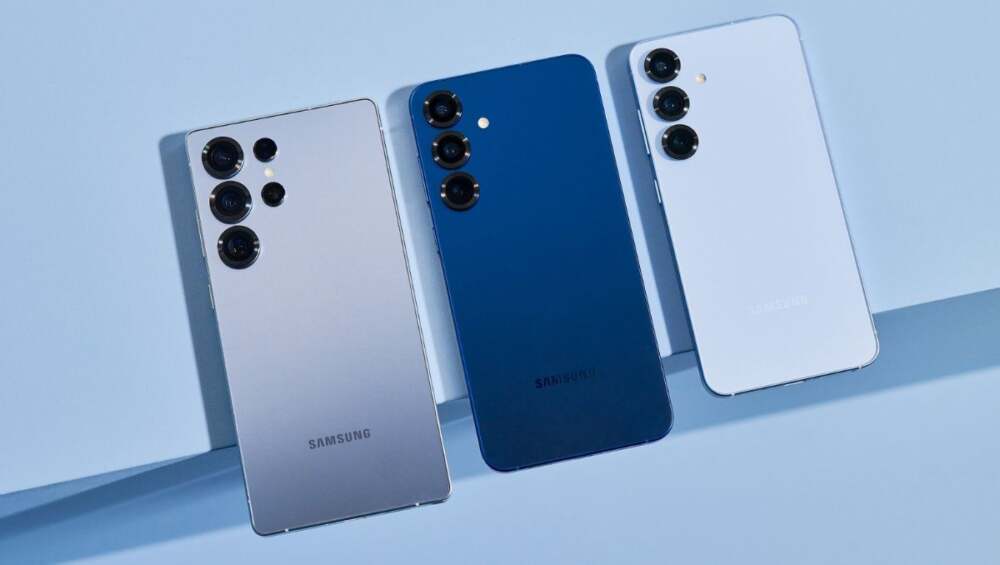
Samsung is preparing to make a significant statement in the global smartphone market with the upcoming Galaxy S26 series. Set for unveiling in late January 2026, with sales anticipated to begin in early to mid-February, this launch continues Samsung’s long-standing tradition of starting the year with a flagship event. Analysts and enthusiasts are closely watching the S26 series, not only for its performance upgrades but also for the strategic approach Samsung is taking with its chip lineup and feature differentiation.
Launch Timeline and Market Positioning
The Galaxy S26 series is expected to adhere to Samsung’s typical early-year release schedule, a timing strategy that allows the company to set the tone for the first half of the smartphone market cycle. By launching early, Samsung can capture attention from consumers eager to upgrade from older models and position itself ahead of competitors who may delay their flagship announcements.
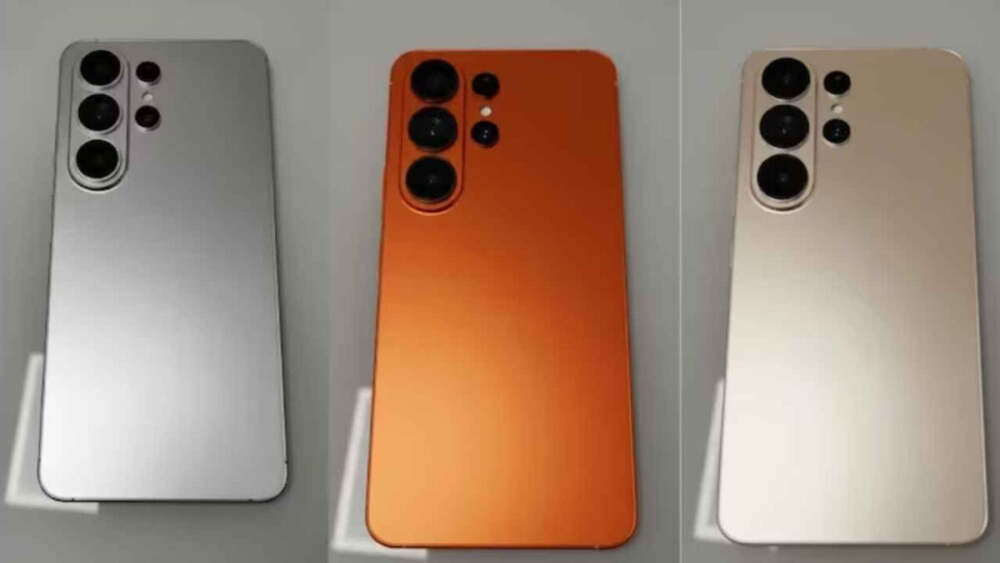
Early leaks suggest that the S26 series will include three main variants: the Galaxy S26, S26 Plus, and S26 Ultra. This three-tiered structure is designed to offer a range of options to appeal to different market segments, balancing performance, design, and price.
Chipset Strategy: Dual Approach
One of the most notable aspects of the Galaxy S26 series is Samsung’s dual-chip strategy. The Galaxy S26 Ultra is reportedly set to feature the high-end Snapdragon 8 Elite Gen 5 processor globally. This is a significant move, as previous Samsung releases often saw Snapdragon chips reserved for certain regions, while other markets received Samsung’s own Exynos processors. By equipping the Ultra with Snapdragon globally, Samsung is emphasizing the top-tier model’s performance superiority.
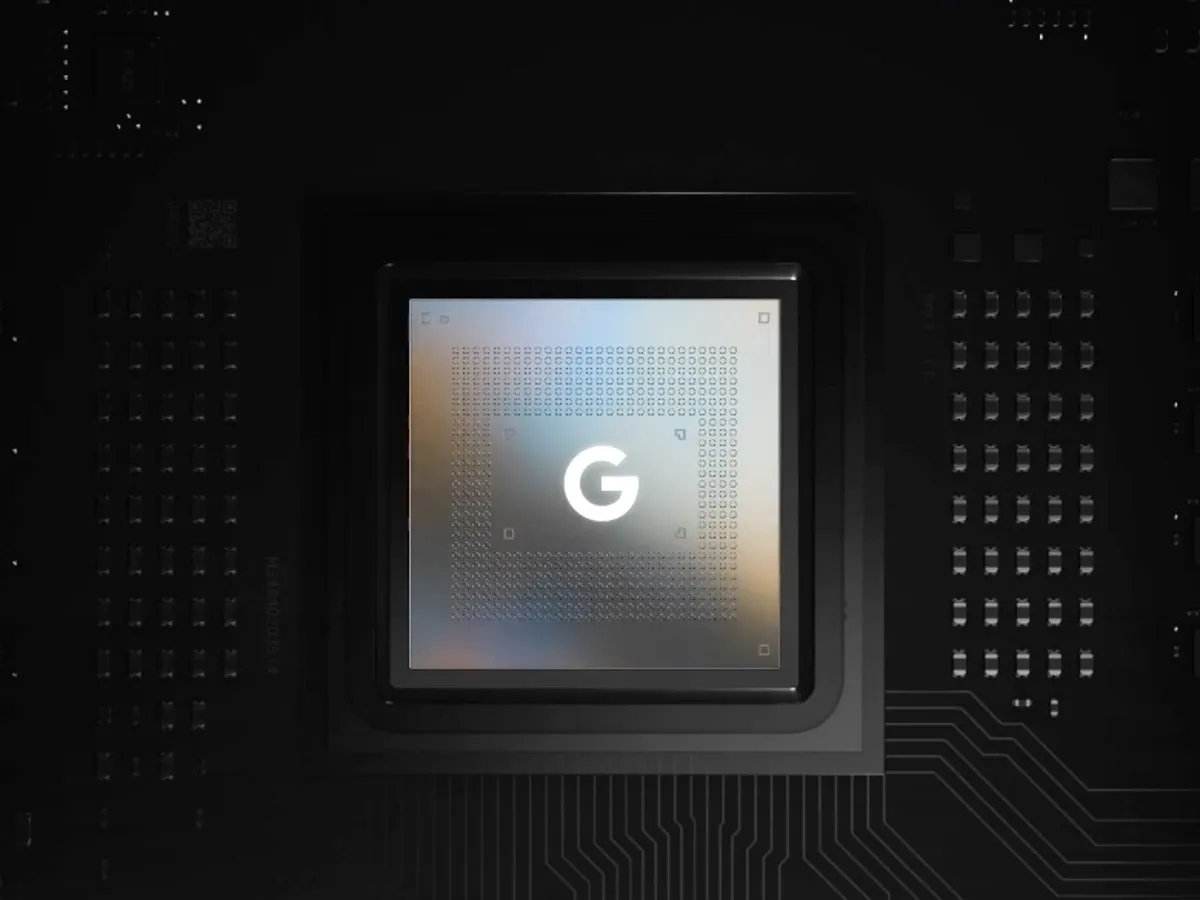
Meanwhile, the base Galaxy S26 and S26 Plus are expected to utilize Samsung’s own Exynos 2600 chip. This approach serves multiple purposes:
- It showcases Samsung’s in-house silicon capabilities and reduces reliance on third-party chips.
- It allows the company to maintain cost efficiency in the non-Ultra models.
- It creates a clear performance distinction between the Ultra and the standard models, which justifies a premium price for the Ultra.
This chip differentiation strategy is likely to influence consumer decision-making, as performance-sensitive buyers may gravitate toward the Ultra, while mainstream users may find the base and Plus models sufficient for everyday tasks.
Features and Upgrades
Beyond chipset choices, the Galaxy S26 series is expected to bring notable upgrades across display, camera, battery, and software:
- Display: All three models are likely to feature high-refresh-rate AMOLED panels, with the Ultra potentially offering an adaptive 144Hz display for smoother visuals in gaming and scrolling.
- Camera: Samsung is expected to continue enhancing computational photography, particularly in the Ultra model, with advanced telephoto lenses, improved low-light performance, and AI-driven photography enhancements.
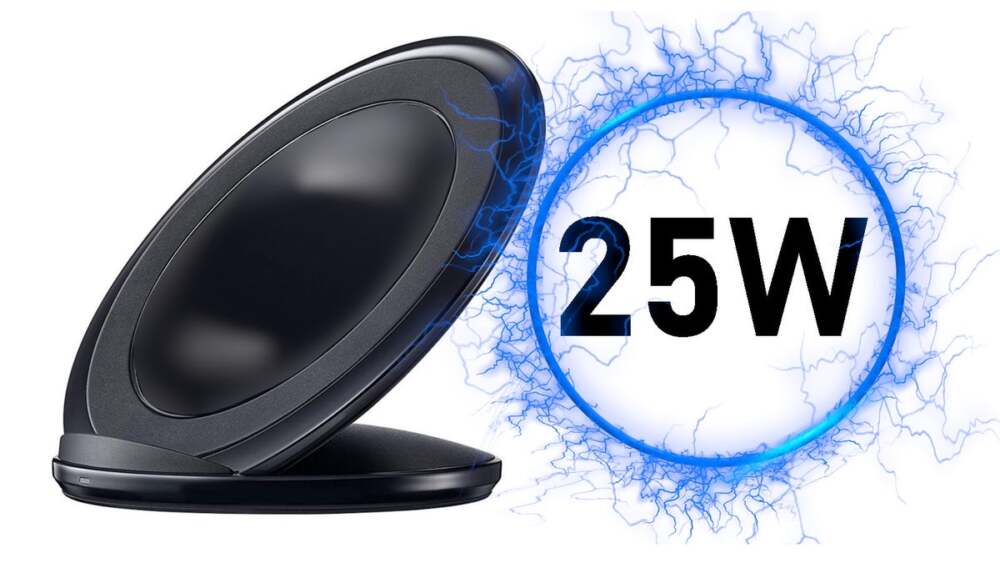
- Battery & Charging: Optimized battery management and faster wired and wireless charging technologies are anticipated, supporting the increasing power demands of advanced processors.
- Software & AI: Samsung’s One UI iteration for the S26 series is expected to integrate more AI-powered features, including smarter device performance management, predictive app behavior, and enhanced digital assistant capabilities.
Strategic Implications for Samsung
The S26 series reflects a deliberate tiered strategy:
- Ultra as the flagship: By offering the Snapdragon 8 Elite Gen 5 exclusively in the Ultra, Samsung reinforces its status as the premier model.
- Promoting Exynos adoption: Using Exynos chips in the standard and Plus models highlights Samsung’s ongoing investment in internal chip development, signaling long-term ambitions to reduce dependence on external suppliers.
- Early launch advantage: By debuting the S26 series in late January, Samsung positions itself ahead of competitors, capitalizing on early-year consumer interest and potentially capturing a larger share of upgrade-minded customers.
This strategic approach allows Samsung to balance premium positioning, cost efficiency, and technology demonstration across its product lineup.
Challenges and Considerations
While the Galaxy S26 series promises significant improvements, several challenges could impact its market performance:
- Supply Chain Constraints: Advanced Snapdragon chips are complex to manufacture, and global demand for high-end semiconductors may create supply limitations for the Ultra.
- Consumer Perception: Past experiences with Exynos variants have led some consumers to perceive them as less capable than Snapdragon models. Samsung will need to ensure the performance of Exynos models is competitive and communicate the capabilities clearly.
- Pricing Sensitivity: Economic pressures and inflation in key markets may influence consumer willingness to pay premium prices for the Ultra model.
- Feature Differentiation: Samsung must ensure that improvements beyond the chip—such as camera, battery, and display upgrades—are significant enough to justify new purchases.
Market Outlook
The Galaxy S26 series is poised to make a strong impact on the smartphone market in early 2026. By combining high-end performance in the Ultra model with cost-conscious options in the standard and Plus models, Samsung caters to a broad spectrum of consumers.
Performance enthusiasts will likely favor the Ultra, drawn by the Snapdragon processor, enhanced display, and advanced camera capabilities. Meanwhile, mainstream users may find the base and Plus models attractive for daily use, offering solid performance at a more accessible price point.
This tiered approach, coupled with an early launch, positions Samsung to capture attention and market share at the start of the year, setting a competitive tone for the 2026 smartphone cycle.
Conclusion
The Galaxy S26 series represents a carefully calibrated strategy from Samsung: delivering premium technology in the Ultra model while promoting its internal chip capabilities and maintaining cost efficiency in other models. With a strong focus on performance, display, camera, and AI features, the series is expected to appeal to both high-end and mainstream consumers.
The coming months will reveal how well Samsung executes this strategy, manages supply chains, and differentiates features to meet diverse consumer expectations. The Galaxy S26 launch is shaping up to be one of the most anticipated smartphone events of early 2026.









Leave a Reply