

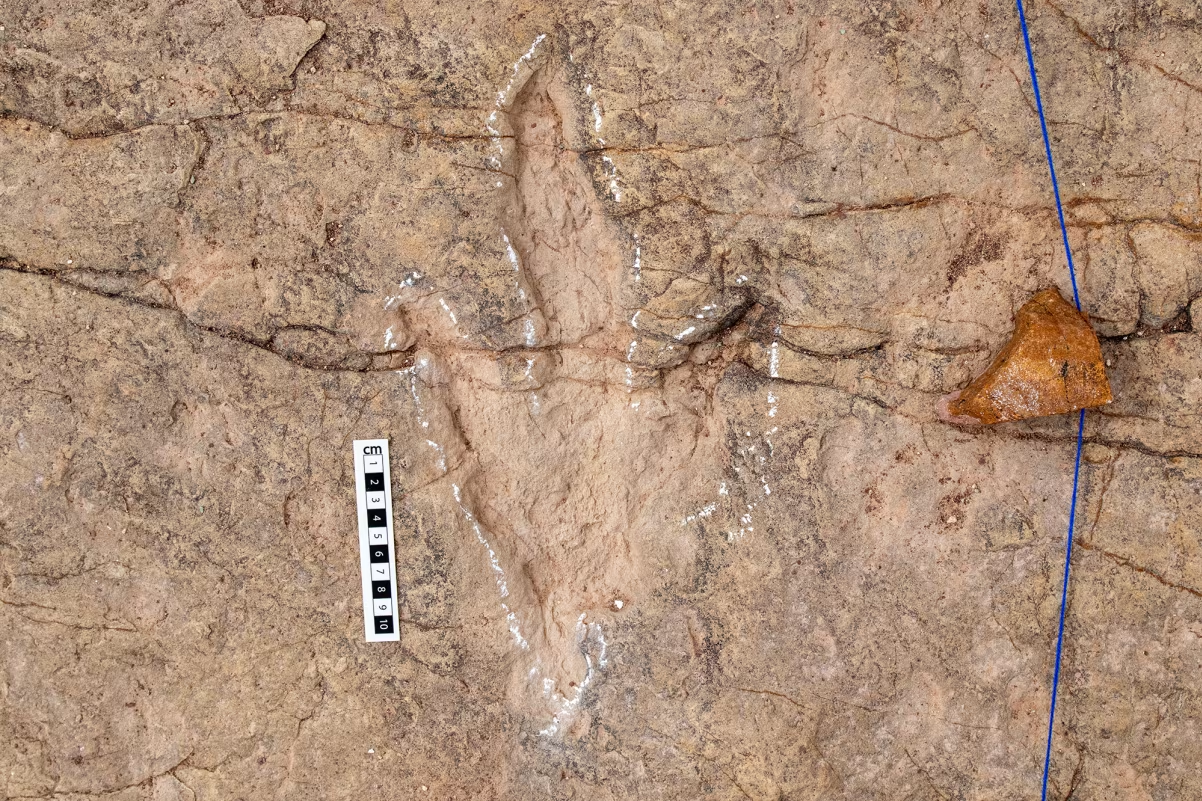
Paleontologists have unveiled a remarkable discovery: over 16,000 dinosaur footprints recorded at what is now considered the world’s most extensive dinosaur tracksite. The find provides unprecedented insight into the behavior, movement, and diversity of prehistoric creatures that roamed the Earth millions of years ago.
A Record-Breaking Tracksite
The site, located in [region unspecified], spans several kilometers of sedimentary rock and preserves footprints from multiple dinosaur species. Researchers say the density and variety of the tracks suggest a thriving ecosystem with a mixture of herbivorous and carnivorous species moving through the area over extended periods.
“This is an extraordinary record of prehistoric life,” said the lead scientist. “Each footprint tells a story, from the size and gait of the dinosaurs to evidence of social behavior and interactions within the herd.”
Insights From the Footprints
Preliminary analysis reveals:
- Diversity of Species: Tracks vary in size and shape, indicating the presence of small theropods, large sauropods, and medium-sized ornithopods.
- Behavioral Clues: Track patterns suggest herding behavior, hunting strategies, and migration routes, providing a dynamic glimpse into dinosaur ecology.
- Environmental Context: Sediment composition and footprint preservation indicate a mix of wetland and riverine landscapes, offering clues about the climate and geography during the period.
Scientific and Public Significance
The discovery not only enriches our understanding of dinosaur biology and social behavior but also offers valuable opportunities for public education and conservation. The tracksite is being carefully mapped and digitally preserved using high-resolution scanning technology, allowing both scientists and enthusiasts to study the site without damaging the delicate fossil evidence.
Researchers hope that continued study of this record-breaking site will shed light on previously unknown dinosaur species and refine our understanding of prehistoric ecosystems on a global scale.











Leave a Reply