

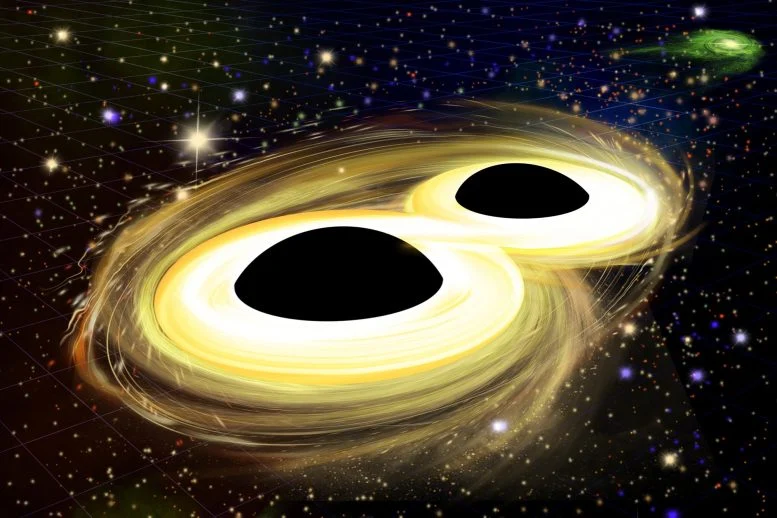
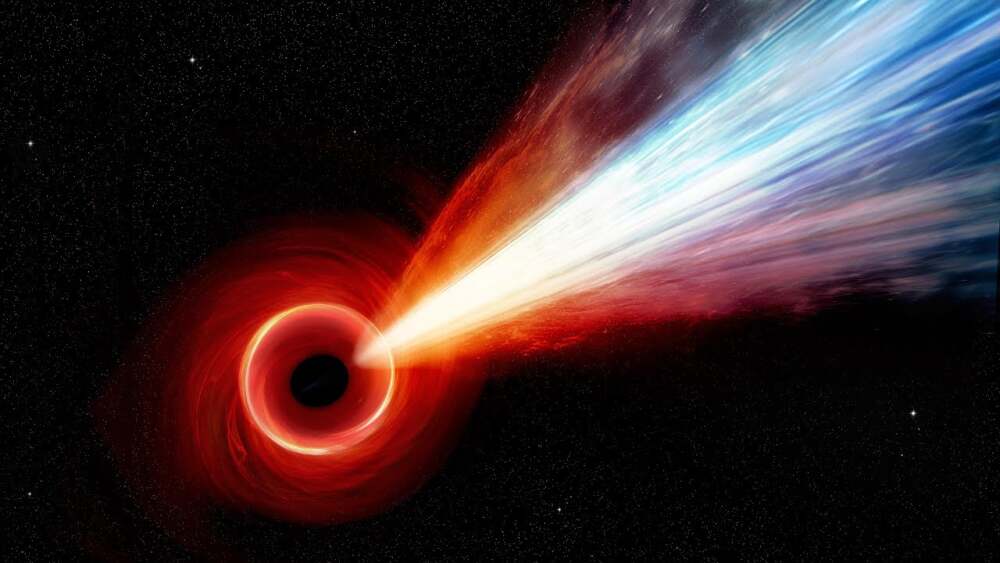
Astronomers have uncovered the explanation behind one of the most perplexing events in modern astrophysics: the merger of two supermassive black holes that defied conventional theories. Detected through gravitational wave signals, the collision had left scientists scratching their heads for years, as standard models suggested such a merger should be nearly impossible.
The pair of black holes, each several tens of times the mass of our Sun, combined in a way that challenged our understanding of cosmic dynamics. Normally, when two massive black holes orbit each other, interactions with surrounding stars and gas can prevent them from spiraling together quickly. Yet in this case, they merged at an unexpectedly rapid pace, producing a gravitational wave signal that was both unusually strong and puzzling in its frequency pattern.
A team of international researchers, using advanced simulations and new observational data from space-based and terrestrial detectors, determined that the merger likely occurred in a densely populated galactic environment. High-speed interactions with nearby stars and gas clouds acted as a cosmic accelerator, helping the black holes lose orbital energy faster than previously thought possible. Additionally, the researchers suggest that a third, smaller black hole in the vicinity may have further perturbed the system, forcing the two giants together.
“This discovery overturns decades of assumptions about how massive black holes interact,” said one of the lead scientists. “It shows that the universe is far more dynamic and unpredictable than our previous models suggested.”
The implications of this finding are profound. Not only does it provide a missing piece in our understanding of black hole growth and galactic evolution, but it also opens new possibilities for detecting gravitational waves from unexpected sources. Future observatories, including next-generation space telescopes, may now have a broader range of targets to study.
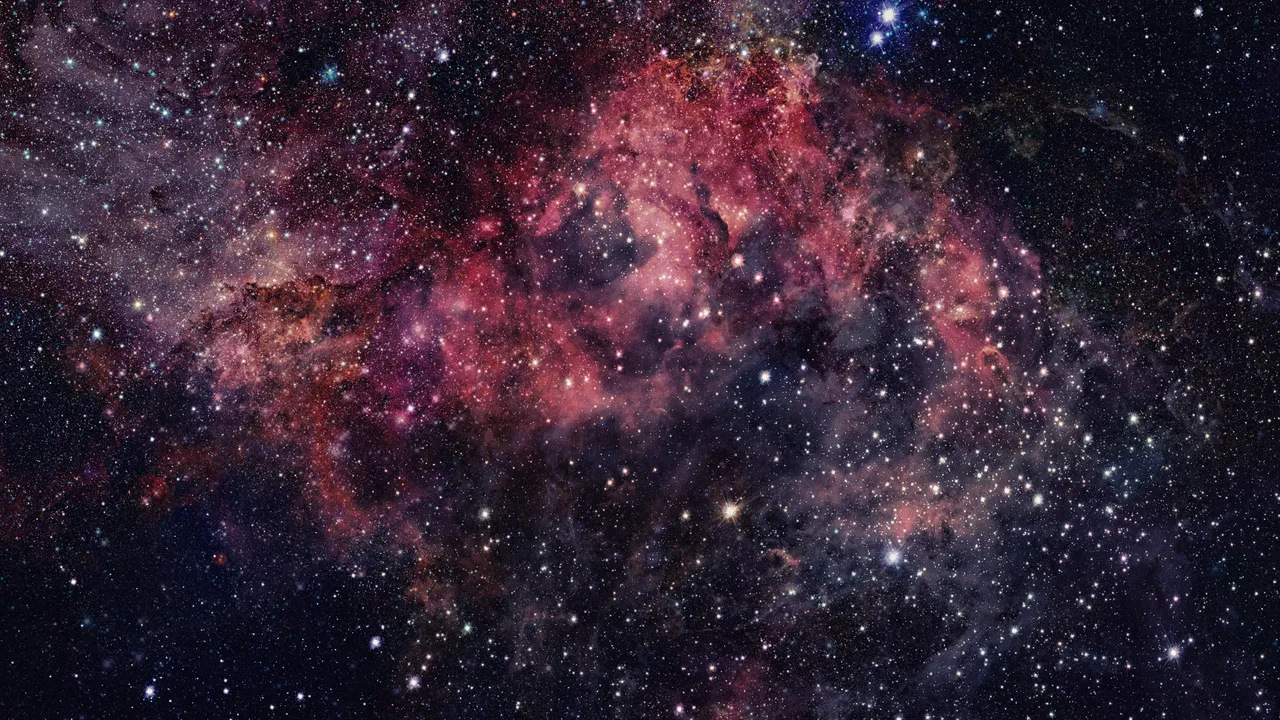
Astronomers are excited about what this means for the future of cosmology and astrophysics. The “impossible” merger is a reminder that the universe still holds countless surprises, and that even the most extreme cosmic phenomena can teach scientists new ways to think about the fabric of space and time.








Leave a Reply