

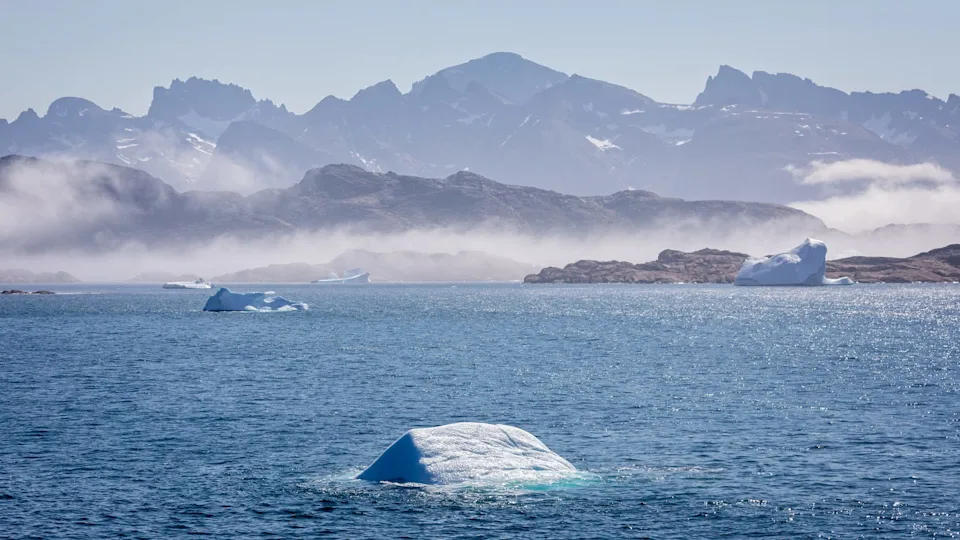
A team of oceanographers has issued a stark warning after detecting a significant and rapid shift in the Atlantic Ocean’s circulation patterns. Scientists describe the changes as “exceptionally fast”, raising concerns about potential impacts on global climate, sea levels, and weather systems.
What Scientists Have Observed
The shift involves the Atlantic Meridional Overturning Circulation (AMOC), a large system of ocean currents that transports warm water from the tropics to the North Atlantic while returning colder, denser water southward at depth. The AMOC plays a crucial role in regulating climate, including Europe’s relatively mild temperatures and the stability of tropical rainfall patterns.
Recent measurements indicate:
- Unprecedented acceleration or weakening in certain segments of the circulation.
- Temperature anomalies in the North Atlantic, with warmer surface waters and disrupted mixing.
- Potential links to melting Greenland ice sheets, which introduce freshwater into the ocean and alter density-driven currents.
Scientists warn that the rapidity of these changes is unusual, with the current shift occurring at rates far exceeding historical norms recorded over the past millennium.
Potential Global Consequences
The Atlantic’s shifting currents could have far-reaching consequences for climate and ecosystems:
- Extreme Weather Events: Disruptions in the AMOC may intensify hurricanes, storms, and heatwaves in various regions.
- Rising Sea Levels: Altered currents can contribute to uneven sea level rise along the U.S. East Coast and other coastal regions.
- Ecosystem Disruption: Marine life dependent on stable nutrient cycles may experience stress, affecting fisheries and biodiversity.
- Global Climate Feedbacks: Changes in the Atlantic circulation could influence rainfall patterns in Africa, South America, and South Asia, potentially impacting agriculture and water resources.
Scientific Analysis and Alarm
Researchers emphasize that this is not merely a long-term trend but a rapid and potentially destabilizing shift. Dr. Helena Fischer, an oceanography expert involved in monitoring the Atlantic, noted:
“We are witnessing changes at a pace that is exceptionally fast compared to historical variability. If this continues, it could trigger cascading effects for the climate system worldwide.”
Satellite observations, autonomous floats, and deep-ocean sensors have all confirmed the unusual patterns, prompting urgent calls for further research and monitoring.
Causes and Contributing Factors
While natural variability plays a role, scientists point to human-induced climate change as a likely driver:
- Accelerated Greenland ice melt introduces large volumes of freshwater, reducing the density of surface waters and slowing deep-water formation.
- Global warming increases ocean temperatures, affecting the delicate balance of heat and salinity that drives the AMOC.
- Ongoing greenhouse gas emissions continue to exacerbate temperature and ice sheet changes, potentially accelerating the circulation shift.
Urgent Need for Action
Experts are urging governments and international bodies to consider the implications of a destabilized Atlantic circulation in climate planning. Mitigating global warming through emissions reduction, preserving polar ice, and enhancing ocean observation systems are considered critical to understanding and potentially slowing these changes.
A Critical Juncture for the Planet
The exceptionally fast shift in the Atlantic underscores the interconnectedness of Earth’s climate system. As ocean currents respond to warming and ice melt, the ripple effects could touch ecosystems, economies, and human livelihoods around the globe. Scientists stress that this is a wake-up call, highlighting the urgent need for climate action and monitoring of critical ocean systems.














Leave a Reply