

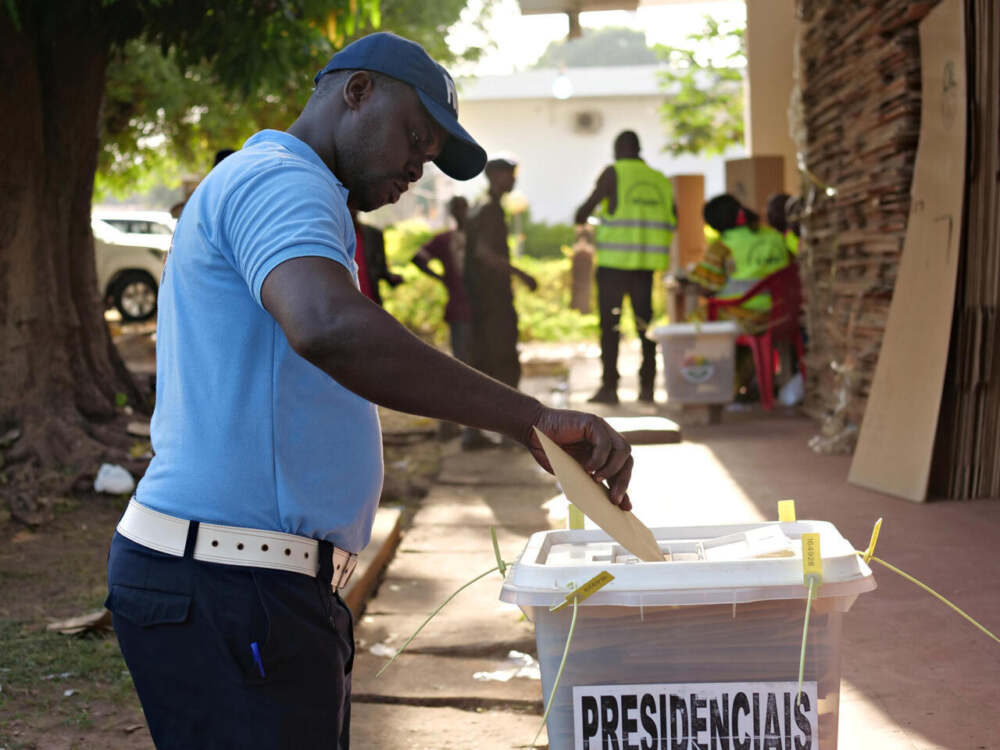
Victoria, Seychelles — In a closely watched political turn, Seychelles will stage a rerun presidential election from October 9 to 11, 2025, after none of the contenders secured the required outright majority in the first round, officials announced.
Close First Round Forces Runoff
In the first-round vote held over three days, the opposition candidate Patrick Herminie emerged as the top vote-getter with 48.8 percent, while the incumbent Wavel Ramkalawan picked up 46.4 percent. Since the constitution mandates that a candidate must receive more than half the votes to win outright, a runoff between the two is now inevitable.
Both leaders expressed readiness for the next stage. Ramkalawan, campaigning for a second term and leading the coalition Linyon Demokratik Seselwa, said he supports a public debate with Herminie to clarify issues for voters. Herminie, backed by United Seychelles, framed his campaign message around public discontent with the current administration.
Stakes, Issues & Public Sentiment
The upcoming rerun is about more than just leadership—it represents a referendum on the direction of the island nation. Ramkalawan’s platform emphasized economic recovery, social progress, and environmental sustainability. Meanwhile, Herminie is appealing to voters who believe more assertive governance and accountability are needed.
Several flashpoints dominated the election discourse:
- A controversial long-term land lease awarded to a Qatari company for development on Assomption Island raised concerns about national sovereignty and environmental stewardship.
- A widely reported heroin addiction crisis, with estimates suggesting thousands of users in a population of around 120,000, remains a deeply felt social challenge.
- The island’s vulnerability to climate change and rising sea levels continues to weigh heavily on public policy debates.
Political Landscape and Prospects
United Seychelles governed the archipelago from 1977 to 2020 and is mounting a comeback effort. Herminie’s near-majority signals strong support and momentum for the party’s return to power.
Ramkalawan, on the other hand, has sought to defend his record and underscore continuity. His campaign has appealed to voters who prioritize environmental protection and stability.
The choice in the runoff could reshape the balance of power. It is likely to draw more scrutiny from civil society groups, regional actors, and the international community, especially given Seychelles’ strategic location in the Indian Ocean and its appeal to foreign investment.
What to Watch
- How each candidate adjusts their messaging before the rerun
- Voter turnout in the runoff—whether it increases or drops
- Whether the debate Ramkalawan called will take place
- Reactions and alliances among smaller parties that did not make the second round
- Post-election steps to address the land lease issue, drug crisis, and climate policy
The next few weeks will be critical for both camps as Seychelles heads into a pivotal election that will shape its governance and trajectory for years to come.









Leave a Reply