

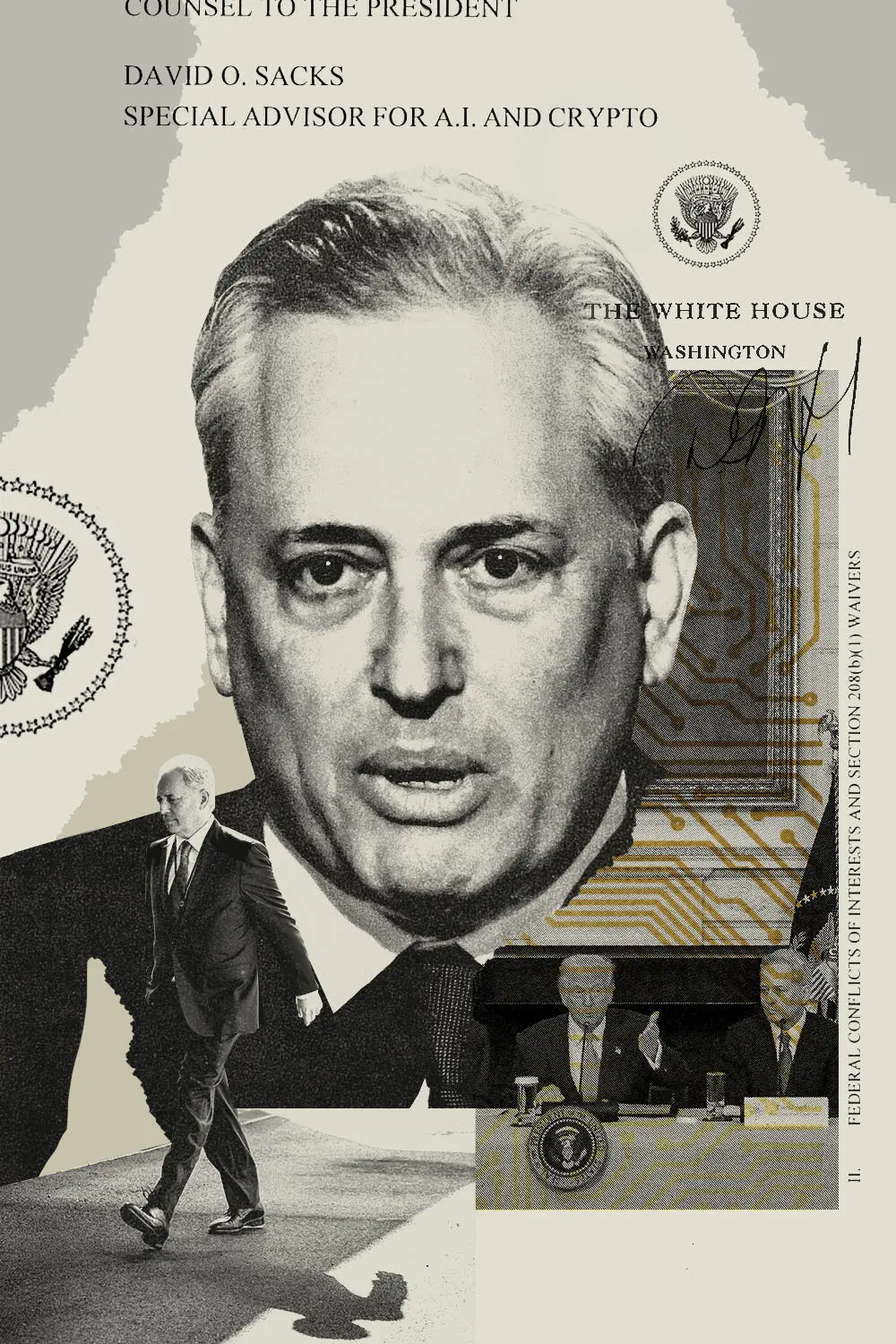
A growing storm is brewing in Washington as critics accuse a senior White House official with deep Silicon Valley ties of shaping federal policy in ways that disproportionately benefit the tech industry—and, more specifically, his own network of former colleagues, investors, and business allies. The controversy has ignited a fierce debate over ethics, influence, and the widening gap between political power and public interest.
A Tech Insider at the Center of Power
The official, once a rising star in the tech world, entered the White House with a reputation for innovation and a vision to modernize government. But watchdog groups, ethics researchers, and several lawmakers now argue that his agenda has consistently mirrored the priorities of Silicon Valley’s most powerful companies.
From regulatory delays to preferential access and generous policy interpretations, critics say the pattern is clear: decisions coming from his office have created a favorable environment for companies he previously advised or invested in.
Policy Moves Under Scrutiny
Among the areas drawing the most criticism are data governance, artificial intelligence oversight, and competition policy. Observers note that initiatives intended to address data privacy concerns have stalled, while proposals to strengthen rules on algorithmic transparency remain weakened or indefinitely delayed.
In the realm of antitrust, the administration’s messaging has emphasized fairness and market accountability, yet enforcement actions have been noticeably slow. Some policies, critics argue, appear more aligned with Silicon Valley’s desire to avoid heavy regulation than with broader public interest goals.
Several lawmakers have raised alarms over internal meetings where tech executives—many of whom have long-standing personal ties to the official—were granted exceptional access to policy deliberations.
Ethics Concerns Spark a Political Firestorm
The situation has led to calls for greater transparency around conflicts of interest and the need for stronger safeguards within the executive branch. Ethics groups warn that the revolving door between government and tech makes it increasingly difficult to ensure impartial policymaking.
Opponents say that the official’s financial disclosure documents fail to provide sufficient clarity on his past and current ties, raising further questions about impartiality.
Meanwhile, supporters argue that expertise from the tech sector is necessary to help the government navigate the complexities of modern innovation. They insist that the official’s insights are invaluable and that accusations of favoritism are politically motivated.
Tech Industry Quiet but Watching Closely
Silicon Valley companies have remained largely silent amid the controversy, though industry insiders privately acknowledge that having a well-connected figure in the White House has given them a strategic advantage during a time of intense regulatory debate.
Some analysts note that the relationship between Washington and tech is at a pivotal moment. As governments worldwide push for stronger digital regulation, having allies in positions of influence can steer conversations away from harsh crackdowns.
Public Trust at Stake
Beyond the political maneuvering, the controversy is fueling concern among citizens who already distrust the intersection of corporate power and government decision-making. With technology increasingly shaping everyday life—from privacy and online speech to automated decision systems—the stakes are higher than ever.
If the allegations of favoritism gain further traction, they could erode confidence not only in the administration but in the broader promise of government accountability.
What Comes Next
Congressional committees are reportedly considering hearings, and several lawmakers have hinted at pushing for tighter ethics rules for White House advisers. Whether the administration will take steps to address the criticisms remains unclear.
For now, one reality is unavoidable: the blend of political power and Silicon Valley influence has created a flashpoint, raising uncomfortable questions about who truly benefits from decisions made at the highest level of government.
















Leave a Reply