

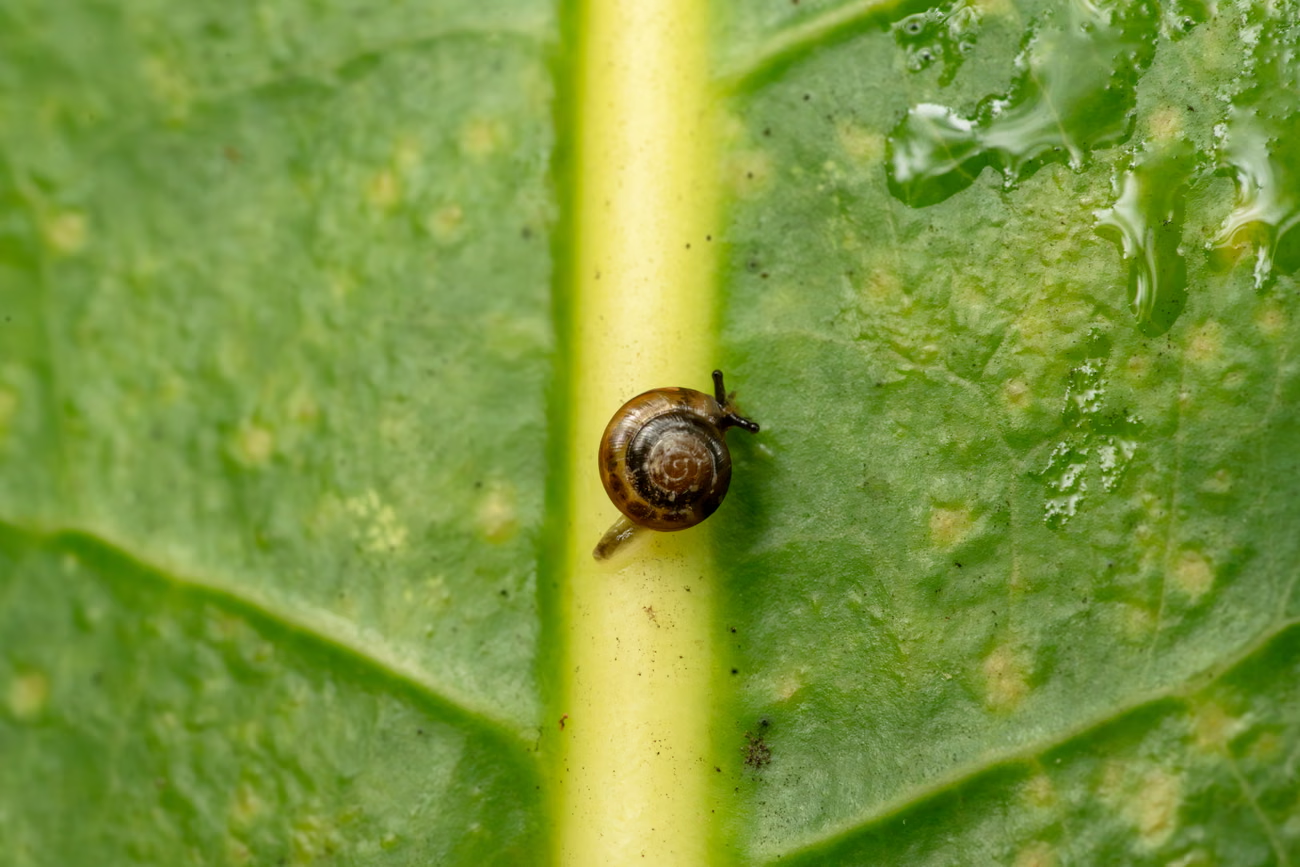
In a remarkable conservation effort, Australian authorities have mounted an urgent airlift to rescue a tiny, critically endangered snail species from Norfolk Island. The mission, part of a broader initiative to protect the island’s fragile ecosystem, highlights the lengths scientists and conservationists will go to save species on the brink of extinction.
The Norfolk Island tree snail, a minuscule yet vital part of the island’s biodiversity, has faced severe threats from habitat loss, invasive species, and environmental changes. With fewer than a few dozen individuals believed to remain in the wild, experts warned that immediate intervention was necessary to prevent the species from disappearing entirely.
The rescue mission involved transporting the snails by air to a secure breeding facility on the Australian mainland. Each snail was carefully collected, housed in climate-controlled containers, and monitored by a team of biologists to ensure their survival during the flight. The operation required meticulous planning, as the delicate creatures are highly sensitive to temperature, humidity, and movement.
“This is an extraordinary example of rapid conservation action,” said a spokesperson for the Australian Department of Agriculture, Fisheries, and Forestry. “These snails may be tiny, but their role in Norfolk Island’s ecosystem is critical. Protecting them helps maintain the natural balance and safeguards the island’s biodiversity.”
Once relocated, the snails will enter a captive breeding program designed to increase their population and, eventually, reintroduce them into protected areas of Norfolk Island. The program will include careful monitoring of the snails’ health, genetic diversity, and habitat conditions to maximize the chances of long-term survival.
Conservationists emphasized that this mission is part of a broader effort to protect Norfolk Island’s unique wildlife. The island is home to several endemic species found nowhere else on Earth, many of which are vulnerable due to the island’s small size and limited resources. Invasive predators, including rodents and birds, as well as human-driven habitat changes, have placed additional pressure on the island’s delicate ecosystems.
Public reaction to the mission has been overwhelmingly positive, with many praising the dedication of scientists and government agencies to protect even the smallest creatures. Social media has dubbed the operation “snails on a plane,” capturing both the urgency and unusual nature of the mission.
Experts warn, however, that rescue missions alone are not enough. Protecting the natural habitat, controlling invasive species, and addressing broader environmental threats are essential to ensure that Norfolk Island’s endemic species can thrive in the long term. The snails’ survival depends not just on immediate intervention, but on sustained conservation efforts across the island.
The Norfolk Island snail airlift serves as a striking reminder of the fragility of life on isolated islands and the extraordinary measures sometimes required to prevent extinction. By taking swift, decisive action, Australia has demonstrated its commitment to biodiversity and set a precedent for future conservation initiatives targeting other vulnerable species around the world.











Leave a Reply