

Health authorities in South Carolina are grappling with a rapidly spreading measles outbreak, prompting the quarantine of hundreds of individuals across multiple counties. The outbreak, which has surged in recent weeks, highlights ongoing concerns about vaccine coverage and the potential for highly contagious diseases to resurface in communities.
Current Case Numbers and Affected Areas
As of the latest reports, South Carolina has confirmed dozens of active measles cases, with more suspected infections under investigation. The affected areas span urban and suburban regions, including Charleston, Greenville, and surrounding counties, with schools, childcare centers, and healthcare facilities among the primary points of exposure.
Health officials have ordered mandatory quarantines for individuals who may have been in close contact with confirmed cases. Quarantine measures typically last 21 days, in line with measles’ incubation period, and include home isolation, monitoring for symptoms, and vaccination verification.
How Measles Spreads
Measles is one of the most contagious viral diseases, capable of spreading through coughing, sneezing, and direct contact. The virus can remain active in the air for up to two hours, meaning that unvaccinated individuals are particularly at risk even without direct contact.
Symptoms often appear 7–14 days after exposure and include:
- High fever
- Cough
- Runny nose
- Red, watery eyes
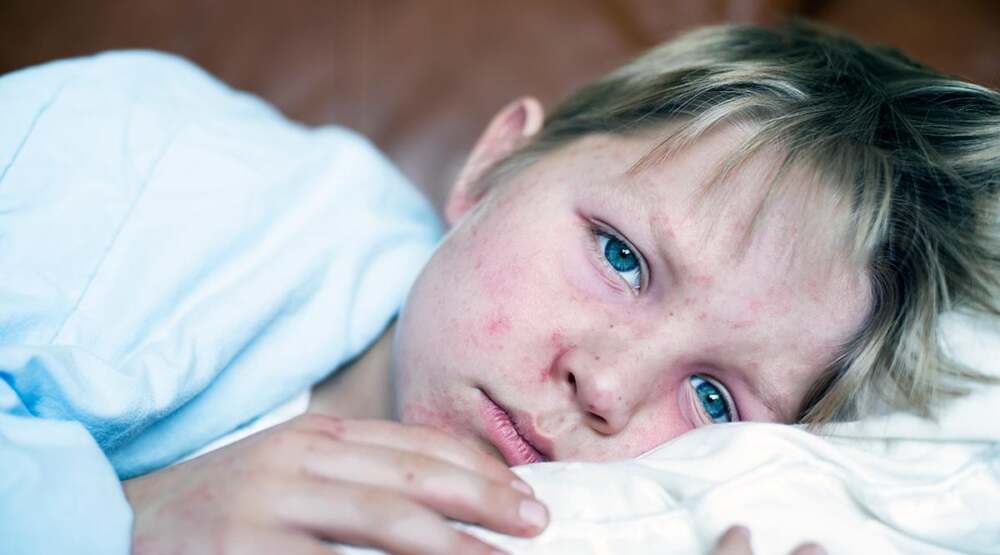
- Characteristic red rash spreading from the face to the body
Complications can include pneumonia, encephalitis, and, in rare cases, death—especially in children and immunocompromised individuals.
Vaccination and Prevention
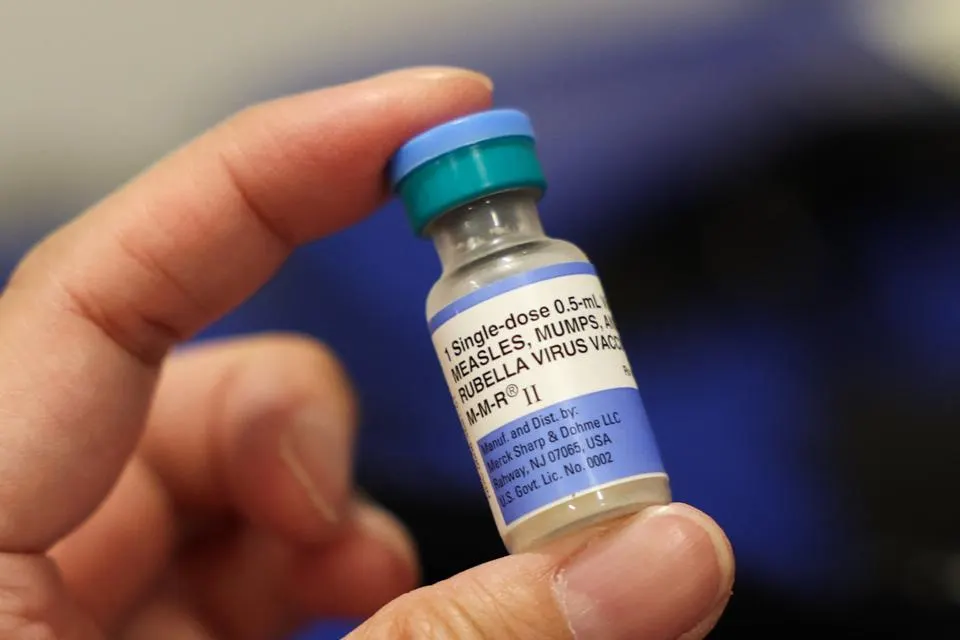
Health authorities emphasize that the MMR (measles, mumps, rubella) vaccine remains the most effective protection against measles. Communities with lower vaccination rates are especially vulnerable to outbreaks. Officials are urging parents to check their children’s vaccination records, and offering catch-up vaccination clinics in affected regions.
Vaccination not only protects individuals but also contributes to herd immunity, reducing the likelihood of large-scale outbreaks.
Public Health Response
South Carolina’s Department of Health has launched a coordinated response, including:
- Contact tracing to identify exposed individuals
- Public advisories for schools, daycare centers, and healthcare facilities
- Isolation and monitoring of confirmed cases
- Community education campaigns on vaccine safety and measles prevention
Officials are working closely with the CDC to contain the outbreak and prevent further spread.
What Residents Should Do
Residents are advised to:
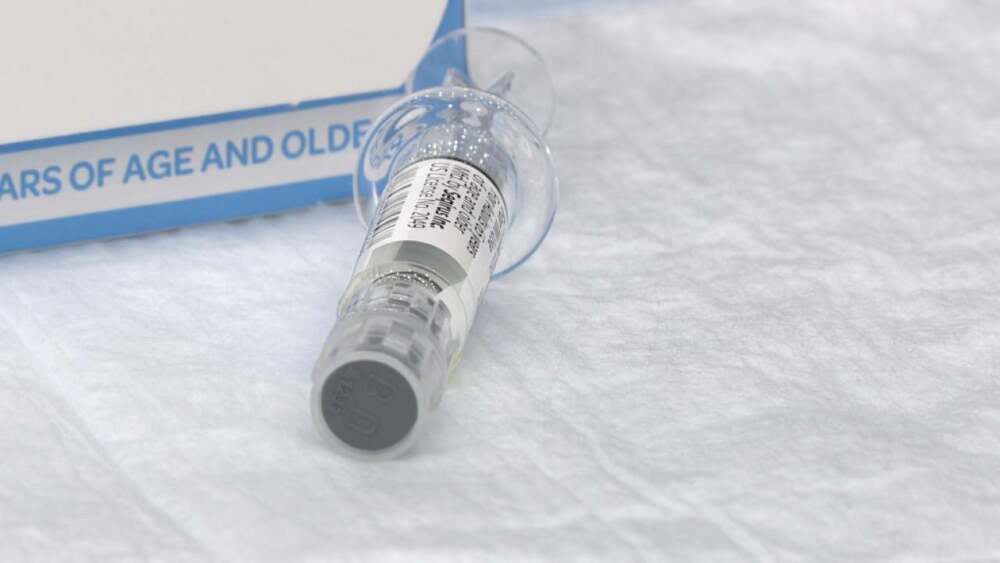
- Ensure vaccinations are up to date, including boosters for children and adults.
- Monitor for symptoms if exposed, and seek immediate medical attention for fever, rash, or respiratory symptoms.
- Follow quarantine and isolation guidance if instructed by health authorities.
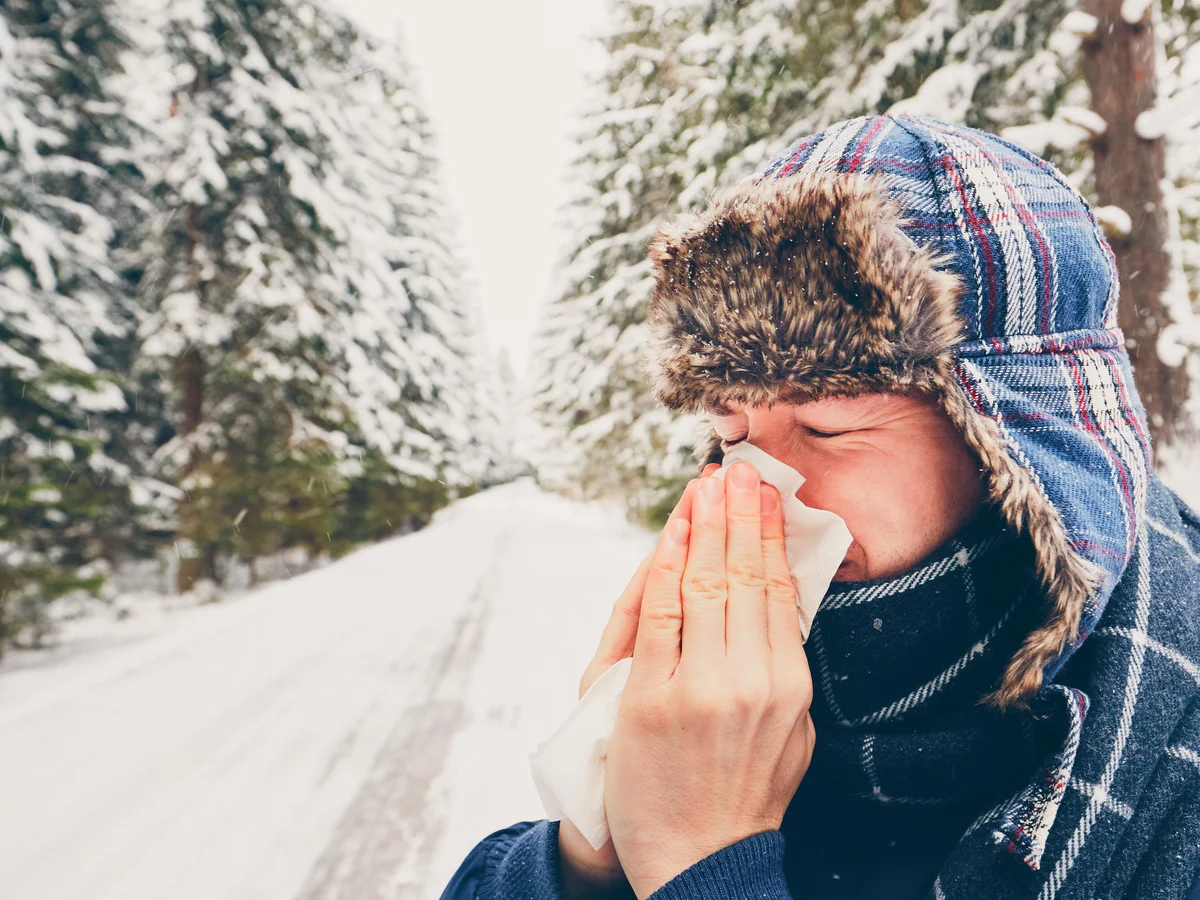
- Practice good hygiene, including frequent handwashing and covering coughs and sneezes.
Looking Ahead
While the outbreak has sparked concern, public health experts remain confident that swift quarantine measures and vaccination campaigns can contain the spread. The situation underscores the ongoing importance of vaccine compliance and early detection in preventing outbreaks of highly contagious diseases like measles.
South Carolina officials continue to monitor the situation closely, providing daily updates and emphasizing that community cooperation is essential to curbing further infections.














Leave a Reply