

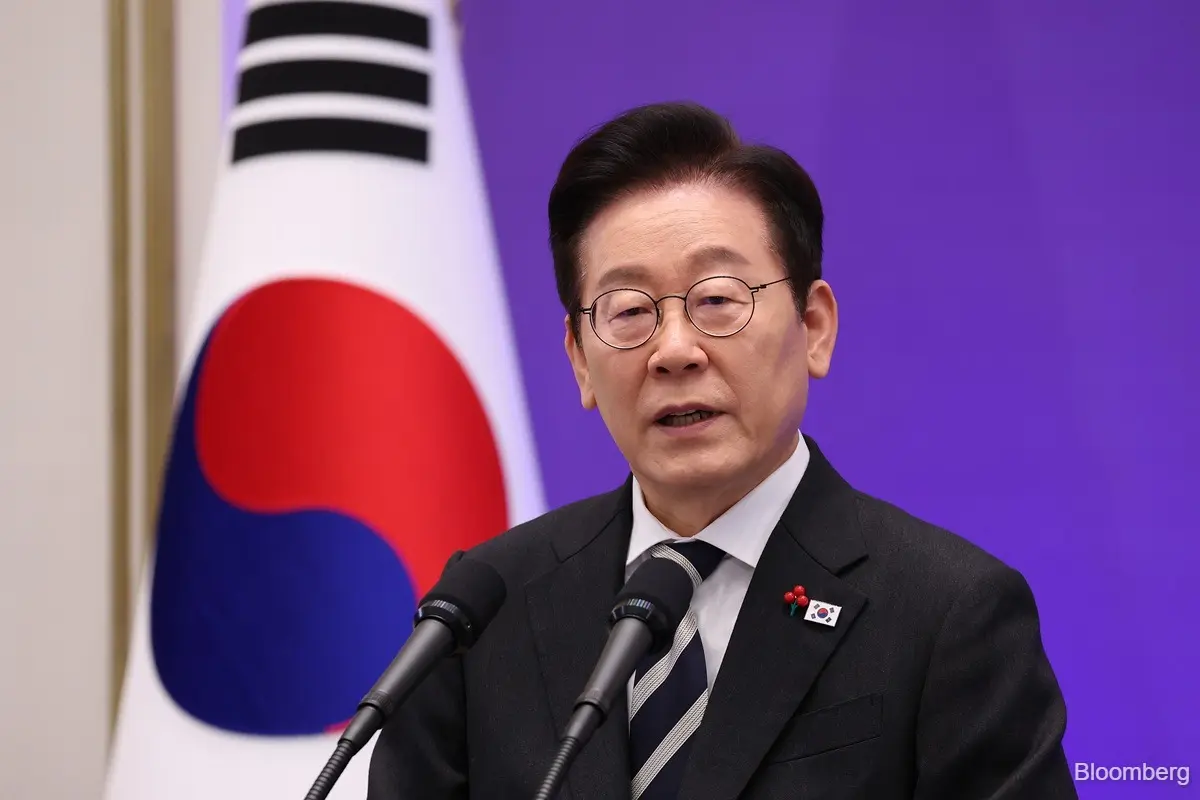
South Korea is intensifying its diplomatic efforts in East Asia as President Lee Jae-Myung undertakes consecutive high-level engagements with the region’s two most influential powers, China and Japan. This carefully orchestrated visit illustrates Seoul’s commitment to pragmatic diplomacy and strategic balance amid escalating geopolitical tensions in the Indo-Pacific.
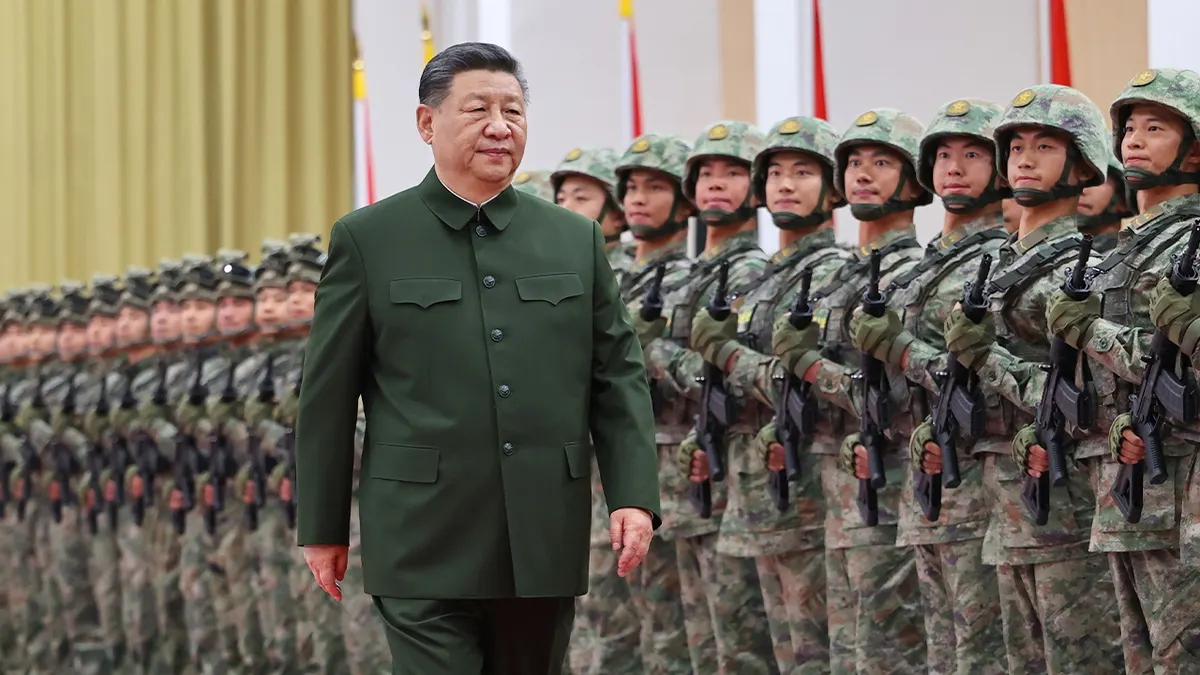
Only a week after welcoming Chinese President Xi Jinping to Seoul — a meeting focused on stabilizing bilateral relations and expanding cooperation — President Lee flew to Japan to meet with Japanese Prime Minister Sanae Takaichi in Nara. The back-to-back summits reflect Seoul’s determination to strengthen ties with both Beijing and Tokyo while preserving autonomy in its foreign policy.
At the heart of Lee’s diplomatic tour lies South Korea’s effort to manage its relationships with its powerful neighbours in ways that bolster security, economic growth, and regional stability. With China remaining South Korea’s largest trading partner and Japan an essential partner in technology and security collaboration, Seoul has sought to avoid the pitfalls of geopolitical rivalry and position itself as a constructive voice for dialogue.
The Nara summit with Japan delved into a broad spectrum of issues, with security cooperation taking centre stage. Leaders exchanged views on the denuclearization of the Korean Peninsula, a persistent concern that unites both countries despite differing approaches. Both nations affirmed a shared interest in regional peace and pledged to deepen coordination on defense and intelligence matters — an implicit nod to growing concerns over North Korea’s advancing missile and nuclear programs.
Historical tensions between Seoul and Tokyo, rooted in Japan’s colonial rule over Korea in the early 20th century, remain an undercurrent in bilateral relations. While contentious historical memories occasionally resurface in public discourse, the leaders opted to focus their public dialogue on forward-looking cooperation rather than longstanding disputes. This signals a mutual understanding that collaboration on current challenges takes priority over unresolved past grievances.
Economic and technological cooperation also featured prominently in discussions. Both governments underscored the importance of advancing collaboration in critical sectors such as artificial intelligence, semiconductor supply chains, and innovation ecosystems. South Korea and Japan — each home to major global technology firms — recognize that strengthened economic ties can deliver tangible benefits for businesses and workers on both sides of the Sea of Japan.
President Lee’s balanced diplomacy stands in contrast to pressure from outside actors to choose sides in regional power struggles. Despite Japan’s increasingly assertive posture on China, including public remarks suggesting military responses in hypothetical future confrontations, Seoul has maintained that it will not be drawn into binary alignments. Instead, Lee emphasized that South Korea values equally strong relationships with both China and Japan, viewing each as central to Seoul’s economic and security interests.
The broader geopolitical backdrop underscores the significance of Lee’s diplomatic roadmap. China wields considerable influence over regional security dynamics, including North Korea, and is vital to South Korea’s export-oriented economy. Japan, meanwhile, plays a crucial role alongside the United States in advancing shared security goals, particularly through trilateral cooperation frameworks designed to ensure stability in the face of rising Chinese assertiveness.
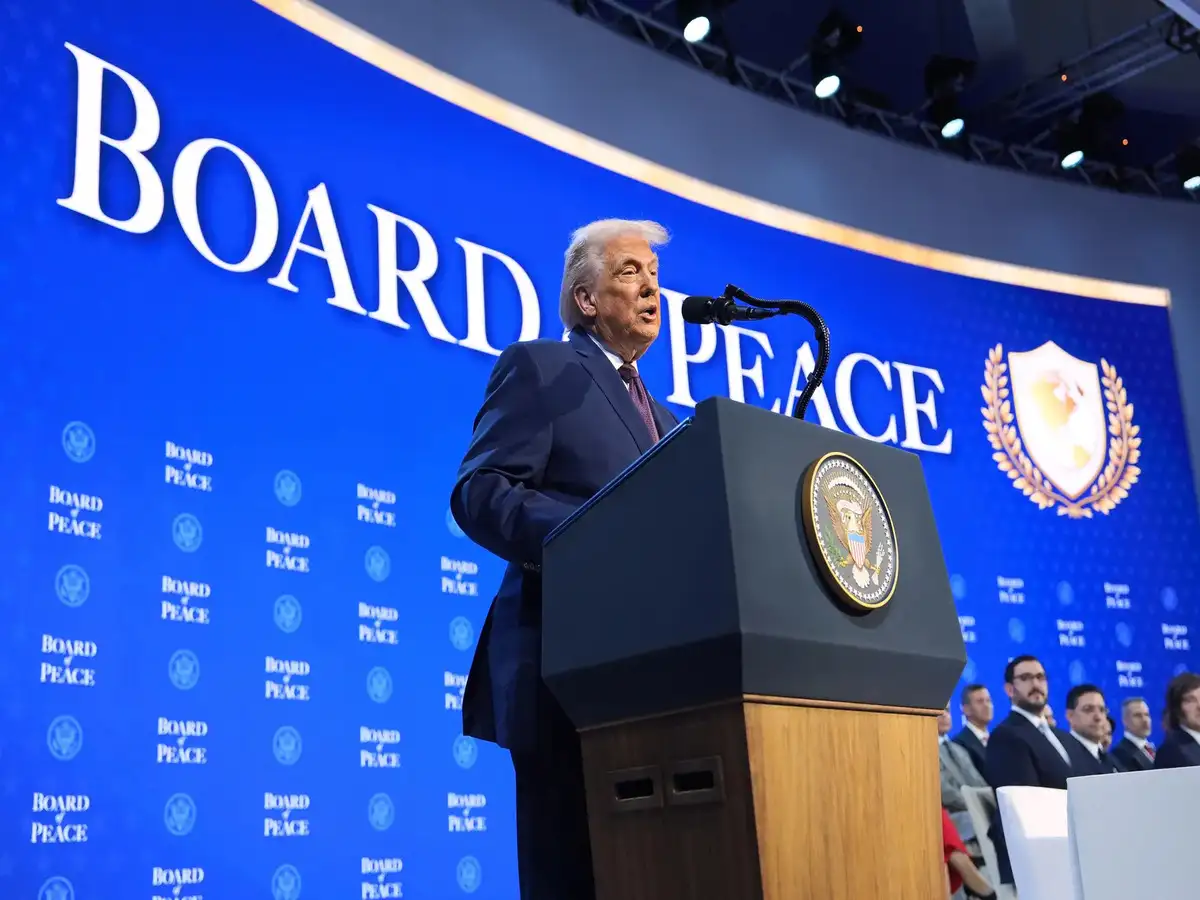
South Korea’s efforts to maintain balanced ties come at a time when great-power competition in the Indo-Pacific shows no signs of abating. Washington has encouraged closer cooperation among its allies in the region, including South Korea and Japan, as part of a broader strategy to counterbalance China’s growing influence. Seoul, however, continues to navigate these dynamics with caution, seeking to align shared interests without compromising strategic autonomy.
The summits also highlighted the importance of regional cooperation mechanisms beyond bilateral ties. Economic integration and diplomatic dialogue involving ASEAN countries and other Pacific partners were noted as essential components of a stable, prosperous Asia. Leaders reiterated their support for multilateral engagement as a means to address shared challenges, from economic resilience to climate change.
President Lee’s diplomatic initiative — first with China, then with Japan — showcases Seoul’s nuanced approach to foreign relations in a highly dynamic environment. By engaging both powers consecutively and constructively, South Korea is signaling its intent to be a stabilizing force in East Asian geopolitics, one that values cooperation and avoids unnecessary confrontation.
As global attention continues to focus on the Indo-Pacific’s evolving landscape, South Korea’s balanced strategy may offer a model for other middle powers seeking to uphold sovereign interests while contributing to regional peace and prosperity.










Leave a Reply