

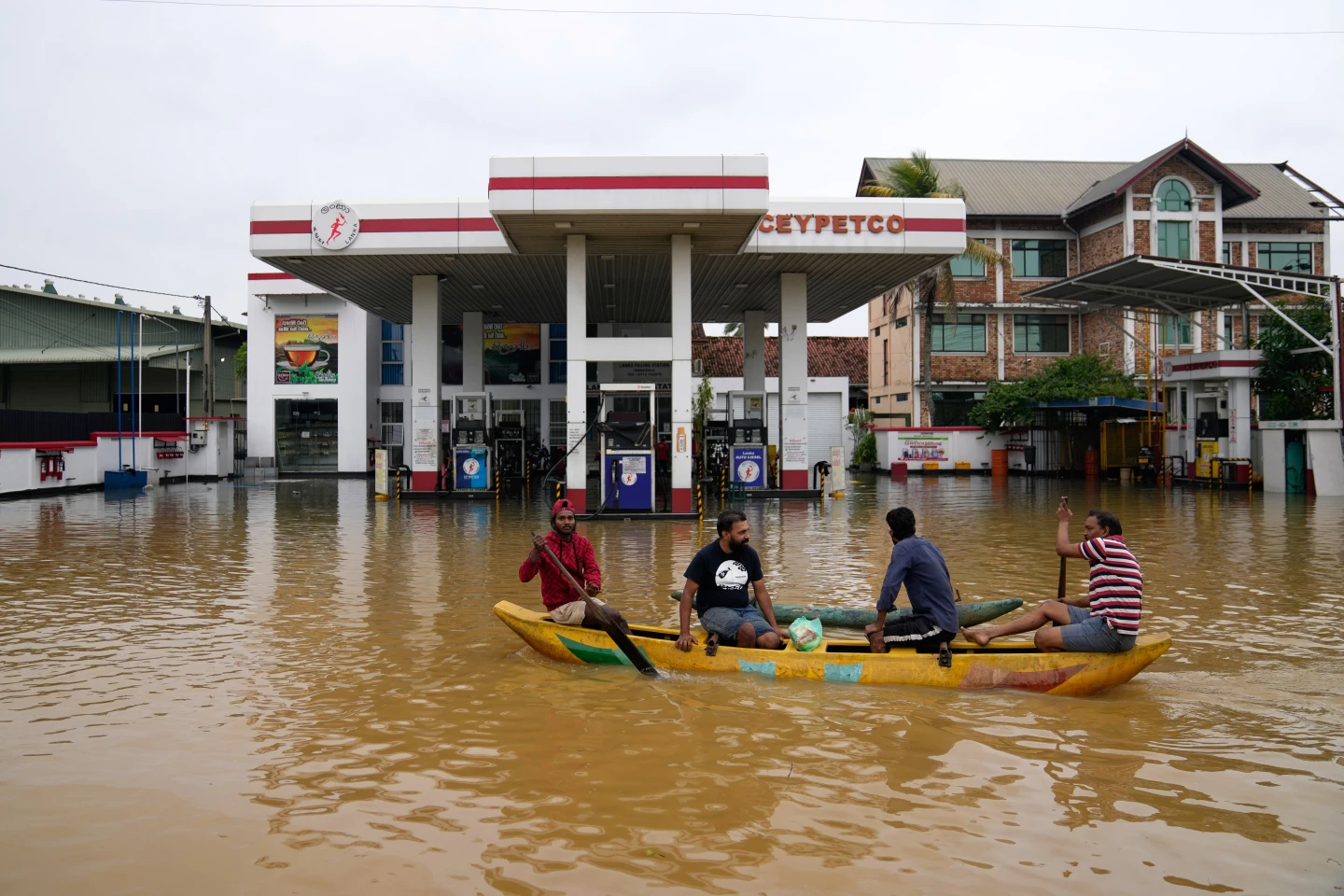
COLOMBO — Sri Lanka is grappling with one of its deadliest natural disasters in recent years, as floods and mudslides triggered by relentless monsoon rains have claimed at least 132 lives, with 176 people still missing. The devastation has left thousands displaced, with entire communities cut off by landslides and swollen rivers.
Monsoon Rains Trigger Widespread Destruction
Heavy rainfall over the past week has caused rivers to overflow, inundating villages and towns across central and southwestern Sri Lanka. Mudslides, in particular, have devastated hillside settlements, burying homes and blocking roads. Rescue teams describe the situation as “chaotic and urgent,” with many areas inaccessible due to the ongoing risk of landslides.
Local authorities report that more than 50,000 residents have been forced to evacuate their homes, seeking refuge in temporary shelters set up by the government and aid organizations. Floodwaters have contaminated drinking water supplies, and critical infrastructure, including roads, bridges, and power lines, has been severely damaged.
Rescue and Relief Operations
Sri Lanka’s Disaster Management Centre, along with the military and volunteer groups, are conducting large-scale rescue operations. Helicopters and boats are being deployed to reach stranded residents, while emergency supplies of food, water, and medical aid are being distributed to affected communities.
Officials warn that search operations are ongoing and that the death toll may rise as more bodies are recovered from flooded and landslide-hit areas. The government has called for additional support from international humanitarian agencies to assist with the relief effort.
Humanitarian Crisis and Long-Term Challenges
Families displaced by the floods face immediate challenges, including lack of shelter, medical care, and access to clean water. Health authorities are monitoring the risk of waterborne diseases, which can spread rapidly in flood-affected regions.
The disaster also highlights broader concerns about environmental management in Sri Lanka. Deforestation, unplanned urban expansion, and inadequate flood mitigation systems have been cited as contributing factors that exacerbate the impact of heavy rains.
Call for Support and Preparedness
As the country mourns the victims, Sri Lankan authorities are urging citizens in vulnerable areas to remain alert and follow evacuation orders. Officials emphasize the importance of early warning systems and community preparedness to prevent further loss of life as monsoon rains continue in the region.
The floods and mudslides serve as a grim reminder of the destructive power of nature and the need for robust disaster management and climate resilience measures in the island nation.















Leave a Reply