

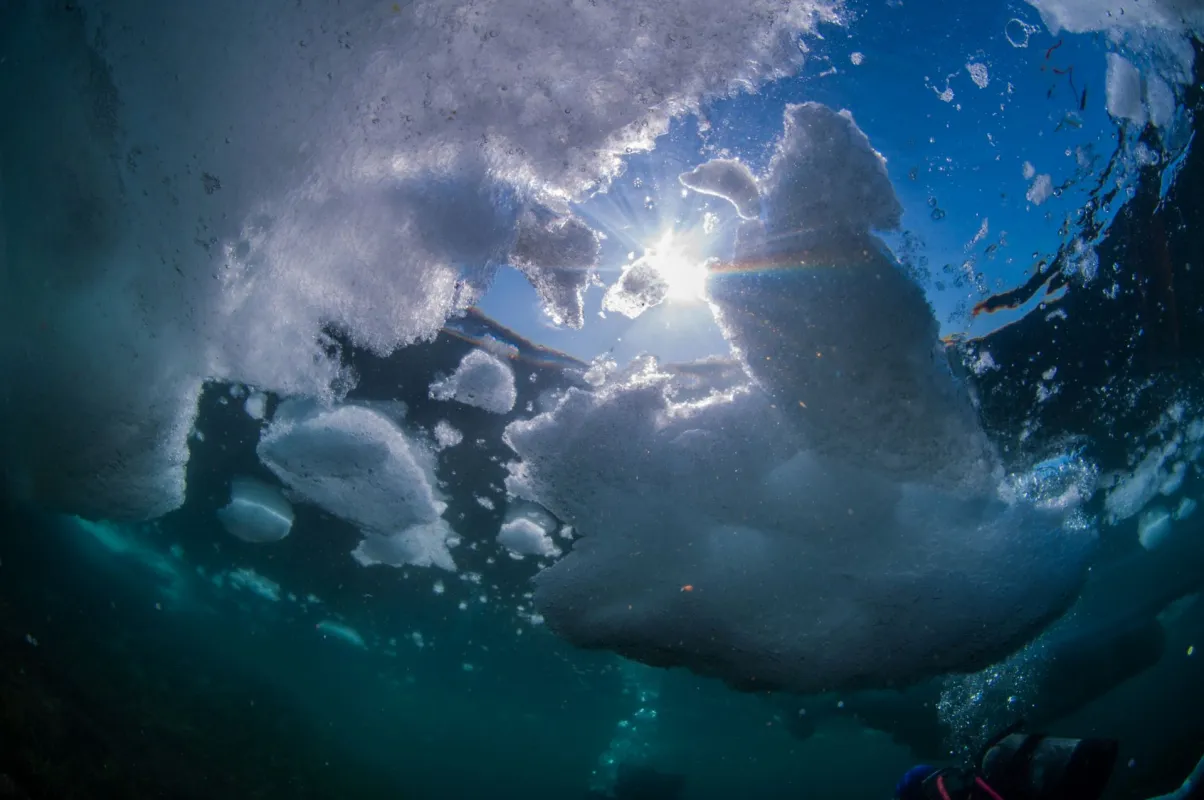
A recent expedition beneath the icy waters of Antarctica has left scientists and enthusiasts puzzled after a submarine reportedly detected anomalous structures on the ocean floor, only for communication with the vessel to be abruptly lost. The discovery, combined with the sudden loss of signal, has sparked speculation and heightened interest in the largely unexplored underwater regions of the southern continent.
The submarine, operated by an international research team, was conducting a deep-sea survey aimed at mapping subglacial topography and studying marine ecosystems. During the mission, sonar and imaging equipment detected unusual formations that experts describe as geometric or artificially structured in appearance, standing out sharply from the surrounding seafloor. The exact nature and composition of these structures remain unclear.
Shortly after the discovery, the submarine reportedly lost contact with the research team on the surface, triggering a high-priority response to reestablish communication. Rescue protocols were immediately activated, though the harsh Antarctic environment—characterized by extreme cold, thick ice, and unpredictable weather—has complicated recovery efforts.
Researchers caution against jumping to sensational conclusions. While the formations appear anomalous, they could be natural geological features, such as unusual ice formations, volcanic remnants, or sedimentary structures shaped over millennia. However, the loss of signal adds an element of urgency and mystery, leaving both the scientific community and the public speculating.
Antarctica’s underwater terrain remains one of the least explored regions on Earth. Advances in autonomous and manned submarines have begun to reveal vast underwater landscapes, previously hidden beneath thick ice sheets. Expeditions like this are critical for understanding geological processes, climate history, and the unique ecosystems thriving in these extreme environments.
The discovery has already drawn attention from geologists, oceanographers, and even amateur researchers, with many calling for a coordinated effort to locate the submarine and document the structures. International collaboration may be required due to the logistical challenges of Antarctic exploration, including icebreaker support, satellite tracking, and specialized submersible technology.
While theories and speculation abound, the scientific approach emphasizes patience and thorough investigation. Once the submarine is located, detailed imaging, sampling, and analysis will be necessary to determine whether the structures are of natural origin or represent something more unusual.
Regardless of the outcome, this incident highlights both the potential for groundbreaking discoveries beneath Antarctica’s ice and the inherent risks of exploring such extreme and remote environments. It serves as a reminder that even in the 21st century, much of our planet remains mysterious and largely unexplored.













Leave a Reply