

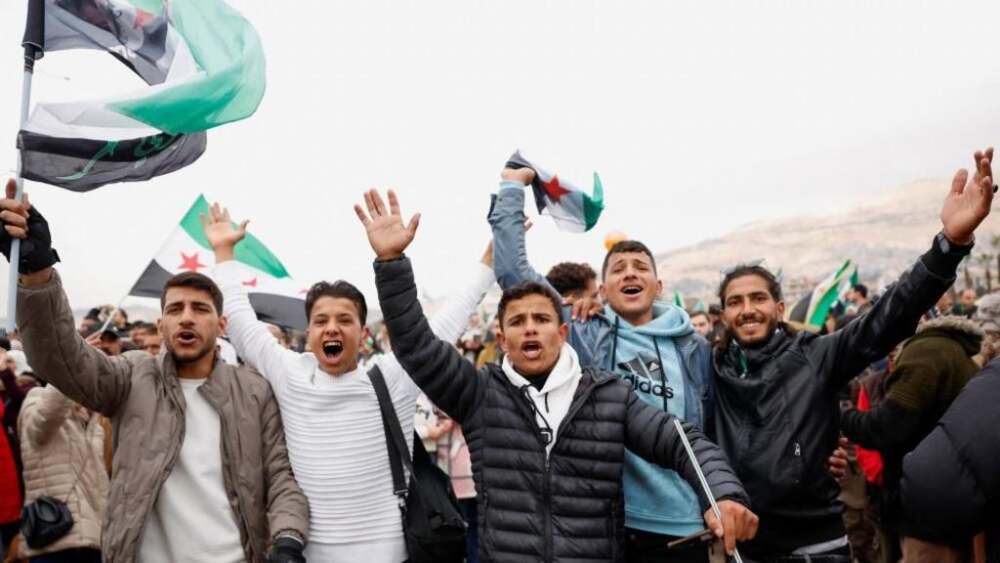
Syria entered a historic moment of reflection and cautious hope this week as millions marked the first anniversary of Bashar al-Assad’s fall — an event that reshaped the nation’s political landscape after more than a decade of conflict. Streets in Damascus, Aleppo, Homs, and dozens of smaller towns filled with celebrations, music, and public gatherings as Syrians commemorated what many now refer to as their “second independence.”
The mood was a rare blend of relief and determination. For many Syrians, the anniversary symbolizes the end of an era defined by civil war, repression, and economic collapse. Yet it also marks the beginning of a long and complex rebuilding process under the country’s transitional leadership.
The new president, who is scheduled to address the nation later today, is expected to outline a roadmap for political reconciliation, economic revival, and reintegration with regional neighbors. Advisors say the speech will focus on three major themes: national unity, institutional reform, and the establishment of a permanent constitution that reflects a broader coalition of Syrian voices.
Across the country, residents expressed a mixture of optimism and realism. Families affected by years of displacement and hardship welcomed the symbolic weight of the day, though many acknowledged that challenges remain — from restoring basic services to ensuring security in areas still recovering from years of violence.
International observers note that Syria’s transition remains fragile, but the relative calm of the past year has given momentum to reconstruction efforts and diplomatic engagement. Regional partners have cautiously reestablished ties with Damascus, hoping that sustained political stability will prevent a return to chaos.
As Syrians await the president’s national address, the country stands at a crossroads. For the first time in years, many believe that the path ahead — though uncertain — is no longer defined by fear, but by the possibility of collective renewal.









Leave a Reply