

The U.S. economy is standing at a critical juncture as recent tariff policies, driven by the administration’s intent to reshape global trade, are beginning to show their consequences. While the goal has been to protect domestic industries and reduce the trade deficit, the economic side-effects—particularly rising inflation and slower growth—are becoming increasingly evident.
The Policy Shift
Under the current administration, sweeping tariff measures have been introduced—applying duties across a wide range of imported goods and aiming to stimulate local manufacturing. While these measures reflect a populist desire to bring production back to American soil, they also represent a dramatic departure from the past global-trade orientation.
Inflation on the Horizon
Several independent economic observers are warning that the tariffs will push consumer prices higher. Durable goods, appliances and imports already are seeing price increases as the extra cost of tariffs gets passed on to companies and then on to consumers. One noted analysis predicted that the average annual inflation rate could rise by around 0.4 percentage points in the next two years due to the tariff burden. Annual inflation of core goods is already creeping upward, undermining the progress made earlier in bringing inflation down.
Growth Under Pressure
The trade measures have also been assessed as a drag on domestic growth. Models show that while the tariffs may reduce the federal deficit over the next decade, the trade-off is slower GDP growth and weaker job creation. Global forecasting agencies warn that the U.S. economy may face a significant setback if trade tensions persist and supply-chain disruptions deepen.
Why This Matters
- For Consumers: Higher import costs and increased domestic production costs will likely mean higher prices on everyday goods. Middle- and lower-income households, already under strain, could see a sharper squeeze.
- For Businesses: Companies that depend on global supply chains or imported components may find margins shrinking and investment decisions delayed. Some manufacturing firms may benefit in the short term, but many will face higher input costs.
- For Policymakers and the Fed: Monetary authorities must grapple with conflicting signals—slowing growth on one hand, but inflation risks on the other. This complicates decisions about interest-rates, stimulus and regulatory priorities.
The Road Ahead
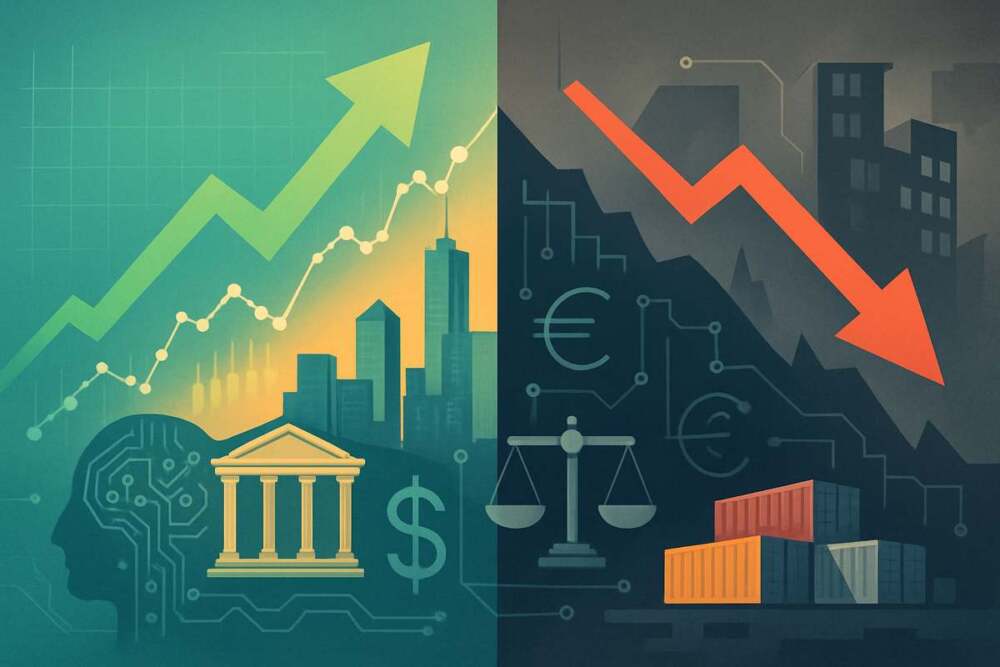
Experts argue that the real cost of these tariffs may surface later in the year. While the full price effect is still working its way through the system, the risk of a “stagflation” scenario—where inflation is elevated but growth is weak—is rising. Economists suggest that vigilance, transparency in data and calibrated policies will be key to avoiding a deeper downturn.
In the meantime, families and businesses are bracing for heavier burdens. If the tariff strategy is to succeed without igniting broader economic pain, it will require smart alignment of trade, production and investment policies—not simply shields and tariffs.












Leave a Reply