

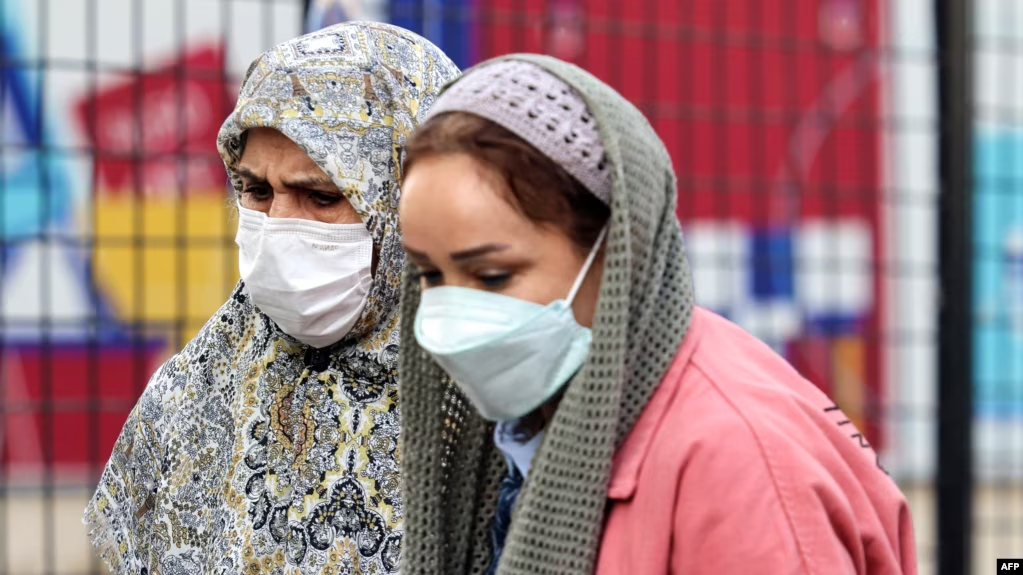
Tehran, Iran’s bustling capital, is facing yet another environmental crisis as air pollution levels have soared to “alarming” levels, posing serious health risks to millions of residents. Authorities have issued warnings urging the public to take precautions, highlighting the urgency of addressing long-standing environmental and urban challenges.
Hazardous Air Quality
Recent measurements indicate that Tehran’s air quality index (AQI) has reached dangerous levels, with particulate matter and toxic pollutants exceeding safe limits. Residents have been advised to limit outdoor activities, wear protective masks, and monitor vulnerable populations, including children, the elderly, and those with respiratory conditions.
Causes of the Pollution Surge
Several factors contribute to the worsening air quality in Tehran:
- Vehicle Emissions: The city’s dense traffic and reliance on older, less efficient vehicles remain a major source of smog.
- Industrial Activity: Factories and power plants surrounding the metropolitan area release significant amounts of pollutants into the atmosphere.
- Weather Conditions: Temperature inversions and stagnant air traps pollutants close to the ground, worsening the impact on residents.
- Urban Expansion: Rapid urbanization and lack of green spaces reduce the city’s natural capacity to filter air pollutants.
Experts warn that without immediate action, pollution-related health problems—such as respiratory illnesses, cardiovascular diseases, and long-term chronic conditions—could rise sharply.
Government Response
Tehran officials have implemented several measures to mitigate the crisis, including:
- Traffic Restrictions: Limiting the number of cars on the road during peak pollution days.
- Public Transport Incentives: Encouraging residents to use buses, metro lines, and carpooling.
- Temporary Factory Closures: Shutting down or limiting industrial operations that contribute heavily to emissions.
Despite these efforts, environmental activists argue that long-term strategies are essential, including transitioning to cleaner energy, modernizing vehicles, and expanding urban green spaces.
Health and Public Awareness
Medical experts advise residents to stay indoors during peak pollution periods, use air purifiers at home, and avoid outdoor exercise. Schools and workplaces have been urged to adopt flexible arrangements to minimize exposure for children and workers.
A Growing Crisis
Tehran’s pollution crisis is part of a broader environmental challenge affecting many Iranian cities, reflecting decades of industrialization, urban sprawl, and climate-related stressors. Without systemic changes, experts warn that such “alarming” pollution levels could become a recurring public health emergency.
The situation highlights the urgent need for coordinated action by government authorities, industry, and citizens to protect public health and ensure a sustainable urban environment for Tehran’s future.










Leave a Reply