

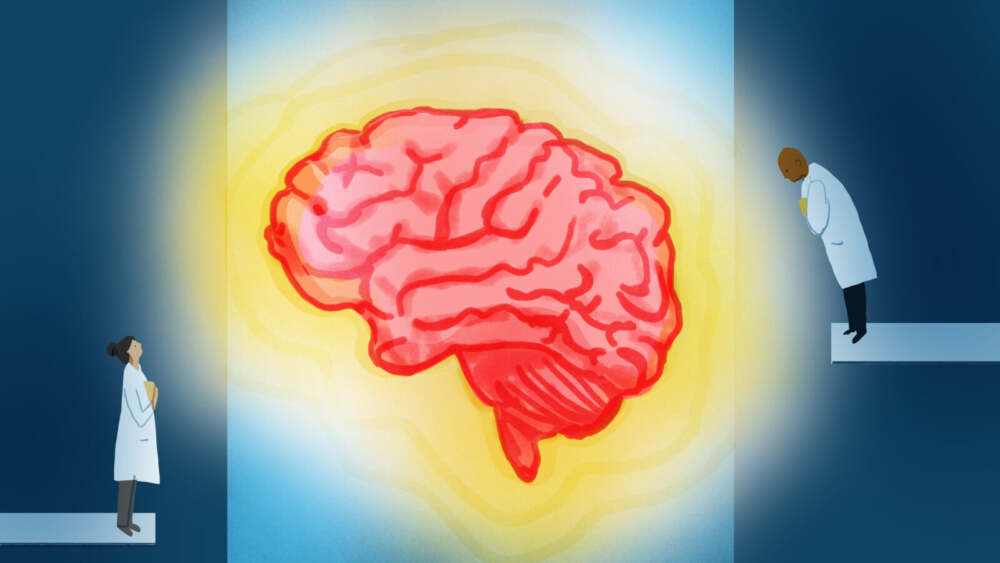
The field of gene therapy, once hailed as the frontier of treating rare genetic disorders, is facing renewed scrutiny after the sudden death of a child participating in a clinical trial. The incident has raised pressing questions about safety, regulatory oversight, and the balance between innovation and patient risk in cutting-edge medical research.
The Incident
Details surrounding the child’s death remain under investigation, but initial reports indicate that the participant was enrolled in a trial aimed at correcting a rare genetic disorder using experimental gene therapy techniques. The loss has left researchers, families, and the broader scientific community grappling with the risks inherent in pioneering treatments that manipulate the human genome.
Gene therapy involves introducing, removing, or altering genetic material to treat disease at its source. While early trials have produced remarkable successes, including curing certain types of inherited blindness and blood disorders, unexpected complications remain a significant concern.
Implications for Gene Therapy Research
The tragedy highlights several critical issues in gene therapy development:
- Safety and Risk Assessment: Despite rigorous preclinical testing, human responses can be unpredictable. Researchers must continually refine dosing, delivery methods, and patient selection to minimize adverse effects.
- Regulatory Oversight: Regulatory agencies like the FDA and EMA face the challenge of balancing rapid innovation with thorough safety evaluation. The incident may prompt stricter monitoring of ongoing and future trials.
- Ethical Considerations: Gene therapy trials often involve vulnerable populations, including children with life-threatening conditions. The ethical responsibility to minimize harm while offering potential cures is under renewed focus.
- Public Confidence: High-profile setbacks can influence public perception of gene therapy, potentially slowing funding, participation, and acceptance of transformative treatments.
Balancing Promise and Peril
Despite the tragedy, experts stress that gene therapy remains one of the most promising avenues for treating genetic diseases. Advances in vector design, CRISPR technology, and immune modulation continue to improve safety profiles, while expanded clinical experience offers better insight into potential risks.
Dr. Angela Ruiz, a leading geneticist, noted:
“Every new therapy carries risk, particularly when we are pushing the boundaries of what medicine can do. Tragic events remind us to proceed with caution, but they should not halt the pursuit of therapies that could save countless lives.”
Moving Forward
In response to the incident, the sponsoring institution and regulatory authorities are conducting a thorough investigation to understand the cause, identify any systemic issues, and implement measures to prevent future occurrences.
Meanwhile, researchers continue to emphasize the importance of transparency, rigorous monitoring, and patient safety in clinical trials. Lessons learned from such incidents often inform better protocols, improved delivery methods, and safer treatment strategies for future participants.
A Cautionary Chapter in Medical Innovation
While the child’s death is a tragic reminder of the risks inherent in experimental medicine, it also underscores the urgent need for cautious advancement, ethical oversight, and robust clinical safeguards. Gene therapy holds transformative potential, but its path is complex, requiring meticulous attention to safety and human impact at every step.
The scientific community remains committed to learning from setbacks while pushing forward toward treatments that could one day cure diseases once thought untreatable, honoring the memory of young patients whose lives contribute to medical progress.

















Leave a Reply