

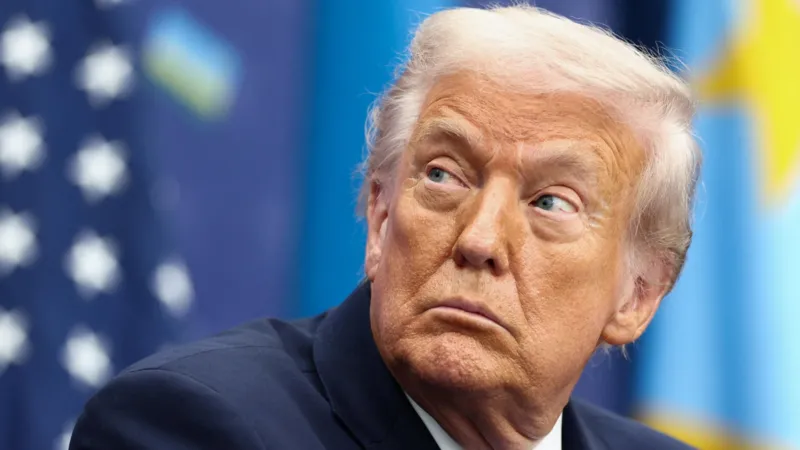
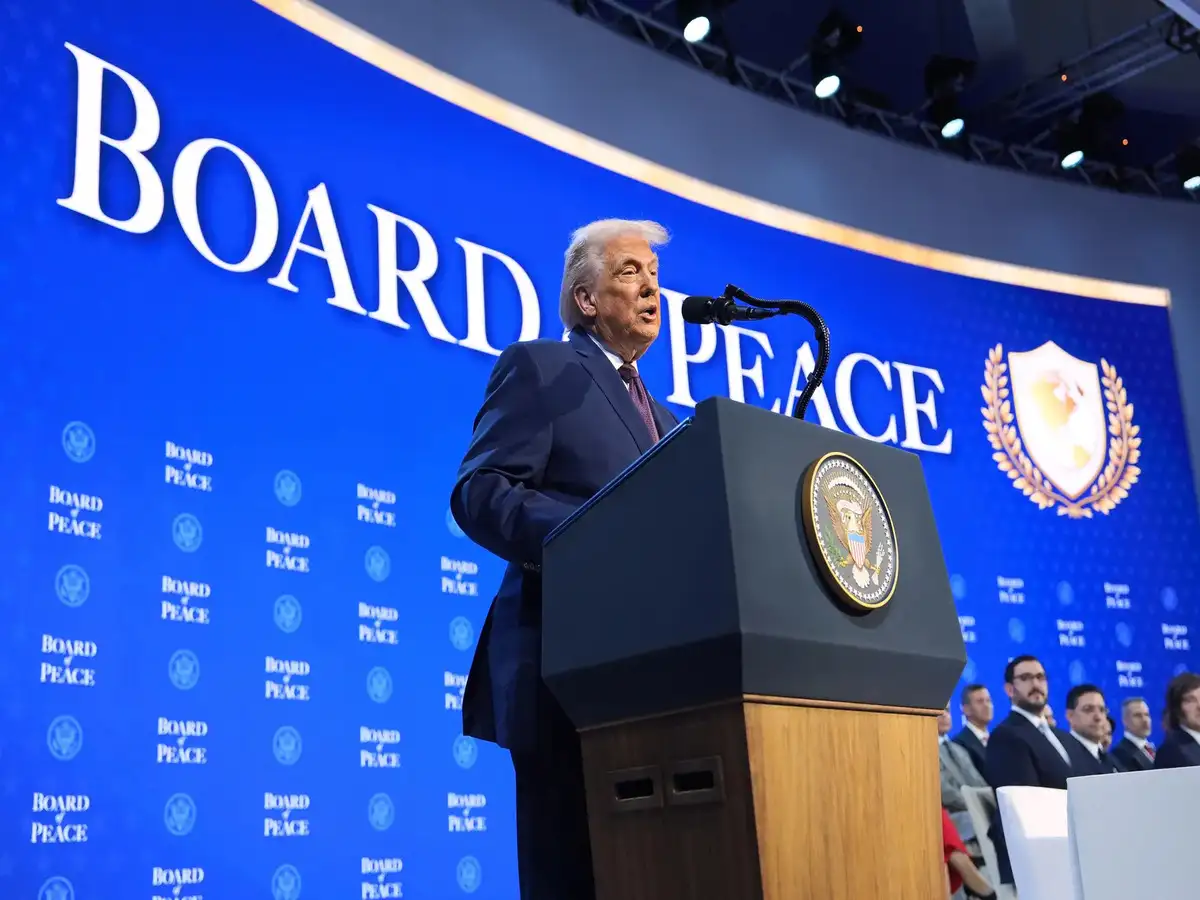
In a statement that has quickly escalated tensions across the Atlantic, officials aligned with the Trump administration have warned that Europe is facing what they describe as “civilisational erasure,” reviving rhetoric that dominated debates during Donald Trump’s previous term. The remarks — aimed at Europe’s immigration policies, shifting demographics, and cultural transformations — are already prompting strong reactions from European leaders and political analysts.
A Familiar Message with Sharper Edges
According to senior figures within Trump’s circle, Europe’s current trajectory reflects “a loss of cultural identity and security,” driven largely by migration flows and ideological shifts within EU governments. While similar claims surfaced during Trump’s presidency, this latest framing adopts sharper language, positioning the issue as a full-scale existential crisis rather than a policy difference.
Advisers argue that liberal immigration models in major EU member states have created conditions where traditional cultural norms are being “diluted.” They claim the result is social fragmentation, weakened national cohesion, and rising tensions that could destabilize the continent.
European Leaders Push Back
Across Europe, officials have strongly rejected the accusation. Governments from Berlin to Paris have labeled the comments “misleading,” “provocative,” and “a deliberate distortion of reality.” Many argue that migration has long been an integral part of European economic and demographic strategy, particularly as the continent faces aging populations and labor shortages.
Policy experts note that Europe’s debates over identity, integration, and nationalism are ongoing but far more nuanced than the Trump administration’s portrayal. Several analysts said the comments appear designed to energize right-wing political bases both in the U.S. and abroad.
Strategic Timing?
Some geopolitical observers believe the rhetoric may also be tied to shifting international alliances. With Europe seeking stronger internal unity and expanding cooperation with partners in Asia and Africa, U.S. conservative factions have grown increasingly critical of what they view as Europe’s “globalist posture.”
By framing Europe’s challenges as a civilizational crisis, Trump-aligned strategists could be attempting to pressure European policymakers while appealing to voters who share concerns about cultural preservation.
Transatlantic Relations Enter Uncertain Phase
The remarks come at a delicate moment for U.S.–EU relations. Leaders on both sides are working to maintain cooperation on defense, trade, and technology, even as political tides shift. The new rhetoric threatens to reopen old wounds about sovereignty, migration, and the future direction of Western alliances.
While European leaders have dismissed the claims, the provocative language ensures the issue will remain part of the political conversation—both in Washington and across the EU.










Leave a Reply