

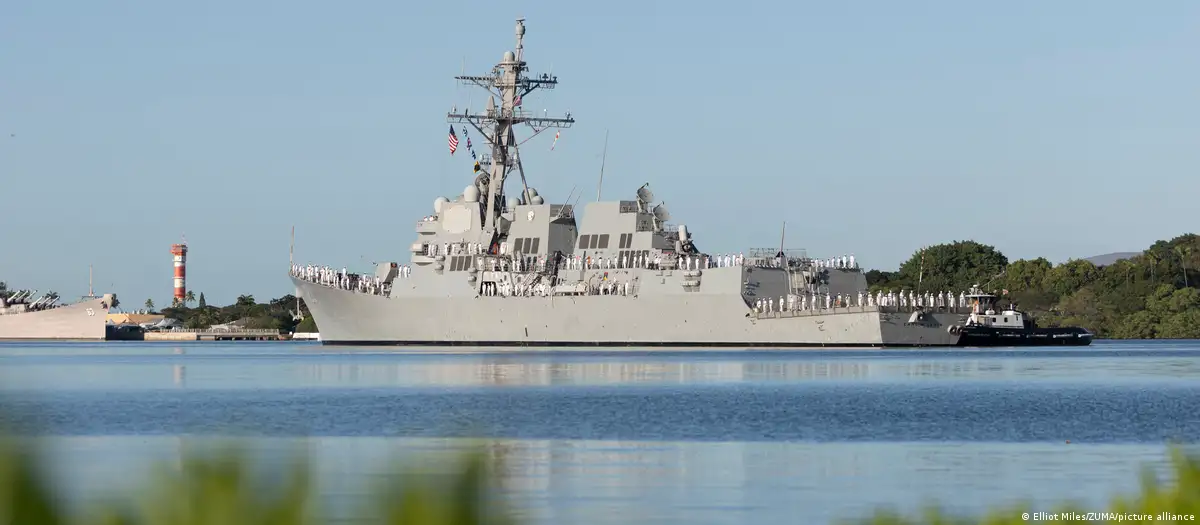
Former U.S. President Donald Trump has once again thrust himself into the center of national debate after unveiling what he described as a new class of American warship bearing his own name. The announcement, delivered with characteristic bravado, immediately sparked controversy across political, military, and public circles, raising questions about tradition, symbolism, and the intersection of personal legacy with national defense.
According to Trump, the proposed “Trump-class” warships would represent a new generation of naval power, emphasizing strength, deterrence, and technological dominance. He portrayed the vessels as symbols of American resurgence, claiming they would be “bigger, stronger, and more advanced than anything our enemies have ever seen.” While specific technical details were sparse, Trump suggested the ships would incorporate advanced missile defense systems, next-generation radar, and expanded command-and-control capabilities.
The idea of naming a class of warships after a living political figure is highly unusual and has drawn immediate scrutiny. Traditionally, U.S. Navy ships are named after states, cities, historical figures, or ideals, with strict conventions meant to avoid politicization. Critics argue that attaching the name of a polarizing contemporary figure to military hardware risks undermining the nonpartisan nature of the armed forces.
Supporters, however, framed the announcement as consistent with Trump’s emphasis on military strength during his presidency. They point to increased defense spending, modernization efforts, and a focus on projecting power abroad as justification for what they see as a bold and patriotic gesture. Some allies described the proposed name as a reflection of Trump’s self-styled image as a strong leader who prioritized national security.
Military experts were more cautious in their assessments. Several analysts noted that naming decisions typically involve the Department of the Navy and are subject to established protocols, making it unclear whether such a designation could move forward without significant institutional resistance. Others emphasized that the process of designing, funding, and constructing a new class of warships is complex and lengthy, often taking decades from concept to deployment.
Beyond procedural questions, the announcement has ignited a broader cultural debate about legacy and leadership. Trump has long sought to brand himself as a transformative figure in American history, frequently comparing his impact to that of past presidents he admires. By proposing a warship class bearing his name, critics say, he is attempting to cement that legacy in steel and symbolism rather than through consensus or historical judgment.
Political opponents accused Trump of ego-driven decision-making and warned that such moves could blur the line between personal ambition and national interest. They argue that the U.S. military should serve as a unifying institution, not a vehicle for glorifying individual leaders. Some also expressed concern about how allies and adversaries might interpret the move, suggesting it could be seen as a sign of internal division or excessive personalization of power.
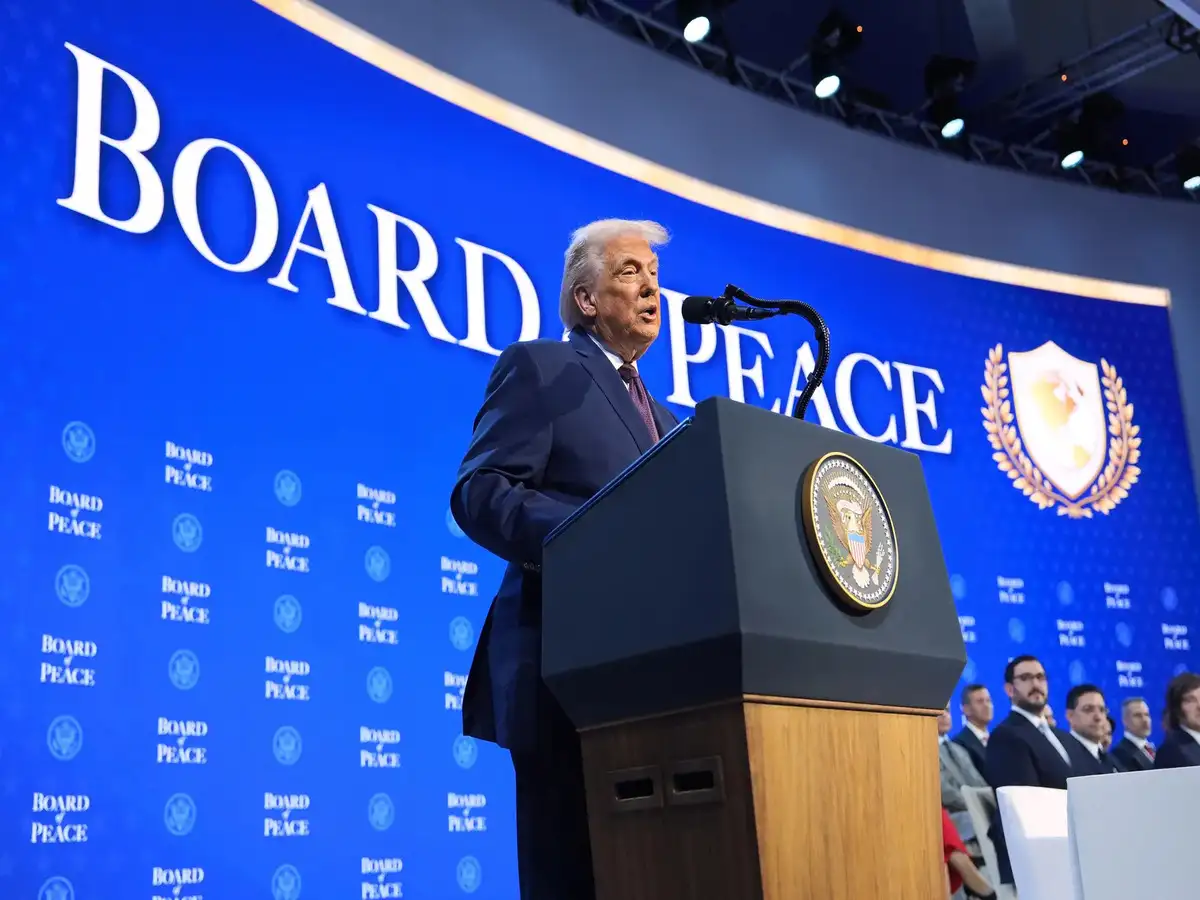
Trump, for his part, dismissed the criticism as politically motivated. He argued that strong nations celebrate strength and decisive leadership, and that the name itself would send a clear message to rivals. In his remarks, he framed the controversy as evidence that his influence remains significant, insisting that “America needs confidence, not hesitation.”
Public reaction has been sharply divided. On social media, supporters praised the announcement as bold and symbolic, while critics mocked it as unprecedented self-promotion. Veterans’ groups and military families expressed mixed feelings, with some welcoming renewed attention to naval investment and others uneasy about the politicization of military traditions.
Whether the “Trump-class” warship ever becomes a reality remains uncertain. What is clear is that the announcement has once again highlighted Trump’s ability to dominate headlines and provoke intense debate. In doing so, it underscores a recurring theme of his public life: a blending of politics, branding, and spectacle that continues to shape conversations about leadership, power, and the future of American institutions.









Leave a Reply