

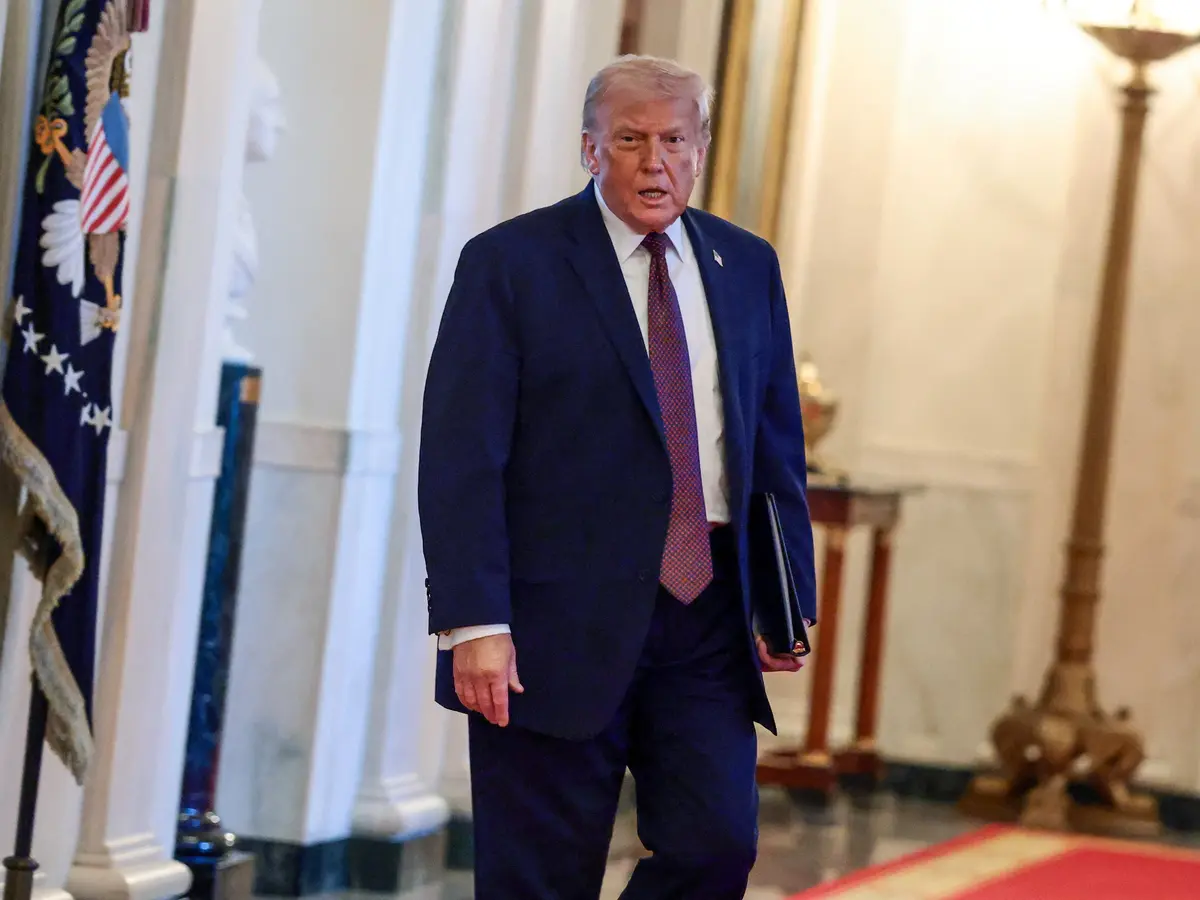
In a significant shift in U.S. policy toward the Israeli-Palestinian conflict, President Donald Trump has publicly announced his support for a new transitional Palestinian governing body to administer Gaza during a sensitive post-conflict phase. This move comes amid ongoing ceasefire efforts and reflects Washington’s broader strategy to foster stability, facilitate reconstruction, and ease long-standing tensions in the region.
The centerpiece of this initiative is the establishment of a 15-member Palestinian technocratic panel tasked with temporarily managing Gaza’s civil affairs. The council, designed to function as a non-political administrative authority, is intended to oversee essential government functions, including public services, infrastructure rehabilitation, and the coordination of humanitarian aid — critical needs in a territory still grappling with the aftermath of years of conflict and severe destruction.
A Transitional Framework for Gaza
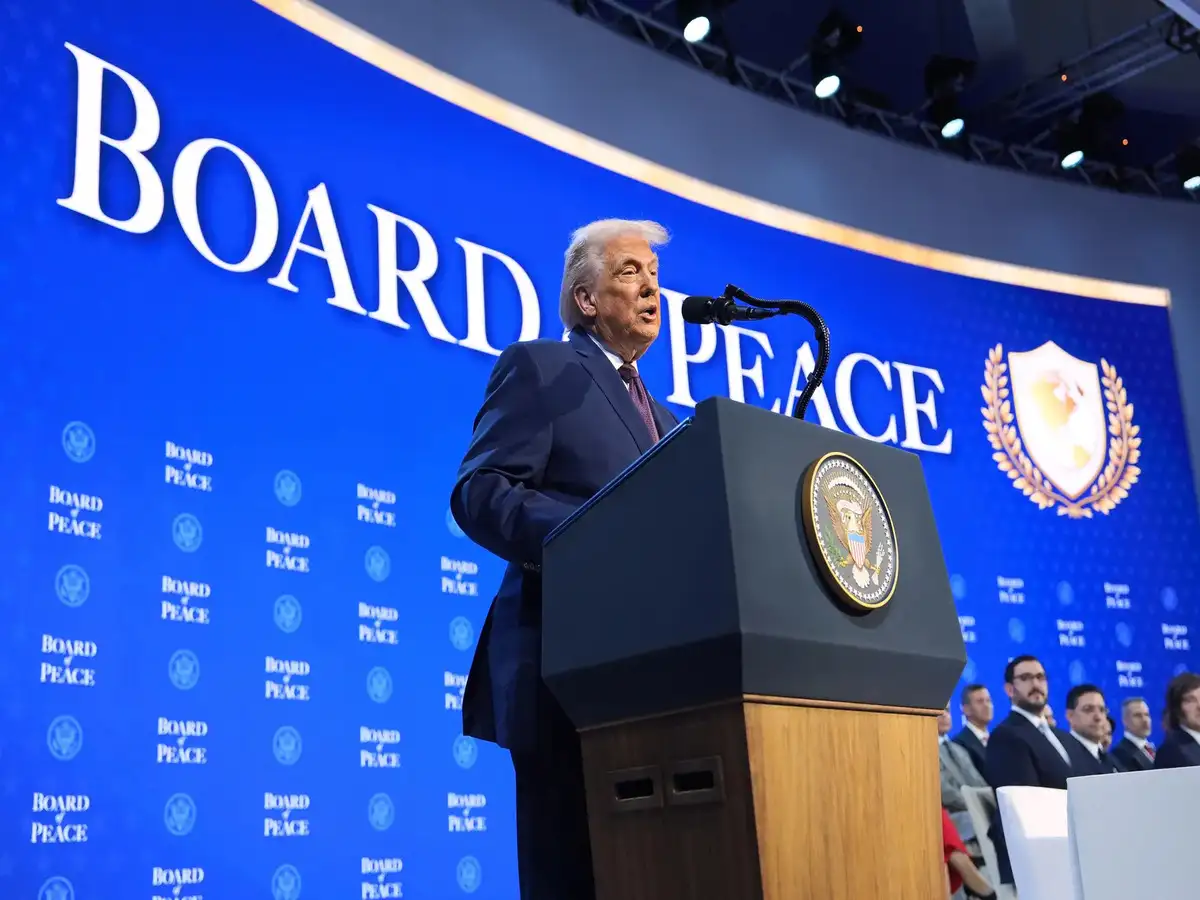
Trump described the newly supported governing body as a transitional leadership that could help guide Gaza through a period of recovery and build confidence among stakeholders. He indicated that this arrangement would operate under the supervision of an international oversight board, referred to in U.S. statements as the Board of Peace. The board’s role is envisioned as broader coordination with global partners and ensuring that reconstruction and governance remain focused on stability and progress.
Trump’s support for the panel reflects his administration’s view that Gaza requires pragmatic governance at a time when political negotiations over a permanent status remain stalled. The technocratic nature of the panel — consisting of professionals rather than elected political figures — is meant to foster neutrality and practical problem-solving in a polarized political landscape.
Encouraging International and Regional Cooperation
The transitional plan calls for strong cooperation with regional mediators and neighboring countries. Nations such as Egypt and Qatar, which have traditionally acted as intermediaries in Gaza negotiations, are expected to play key roles in supporting the governance transition and in facilitating broader diplomatic engagement between Palestinian representatives and other parties.
International donors and relief organizations have also expressed cautious optimism about the initiative, recognizing that a functioning interim administration could significantly improve the delivery of aid and streamline reconstruction efforts. Gaza has long faced challenges in coordinating international assistance due to fragmented governance and security constraints, making a unified administrative body an attractive option for more effective humanitarian work.
Challenges Around Disarmament and Political Legitimacy
Despite Trump’s endorsement, the initiative faces several formidable hurdles. One of the most sensitive issues is the question of Hamas disarmament. While Hamas has shown a willingness to engage in talks about transitioning administrative control, it has stopped short of agreeing to lay down arms — a condition that U.S. officials emphasize is vital for long-term peace and the demilitarization of Gaza.
Moreover, questions linger about the legitimacy and representativeness of the technocratic panel. Critics argue that without broad popular support among Palestinians, any interim governing body risks being perceived as externally imposed rather than rooted in the will of the people. Such perceptions could undermine its effectiveness and fuel opposition from within Gaza’s complex political landscape.
Response from Palestinian Factions and Israel
Reactions from key stakeholders have been mixed. Some Palestinian groups have cautiously welcomed the idea of a transitional administration if it leads to tangible improvements in daily life. Others, however, remain skeptical, urging that any governance framework must be accompanied by renewed efforts toward a comprehensive peace process and respect for Palestinian political aspirations.
Israeli leadership has expressed guarded support for stability-oriented initiatives, particularly those tied to security assurances and the eventual dismantling of militant capabilities in Gaza. However, Israel continues to maintain strict security controls over the territory’s borders and access points, underscoring ongoing complexities in achieving a fully autonomous administrative transition.
Humanitarian Imperatives and Reconstruction Needs
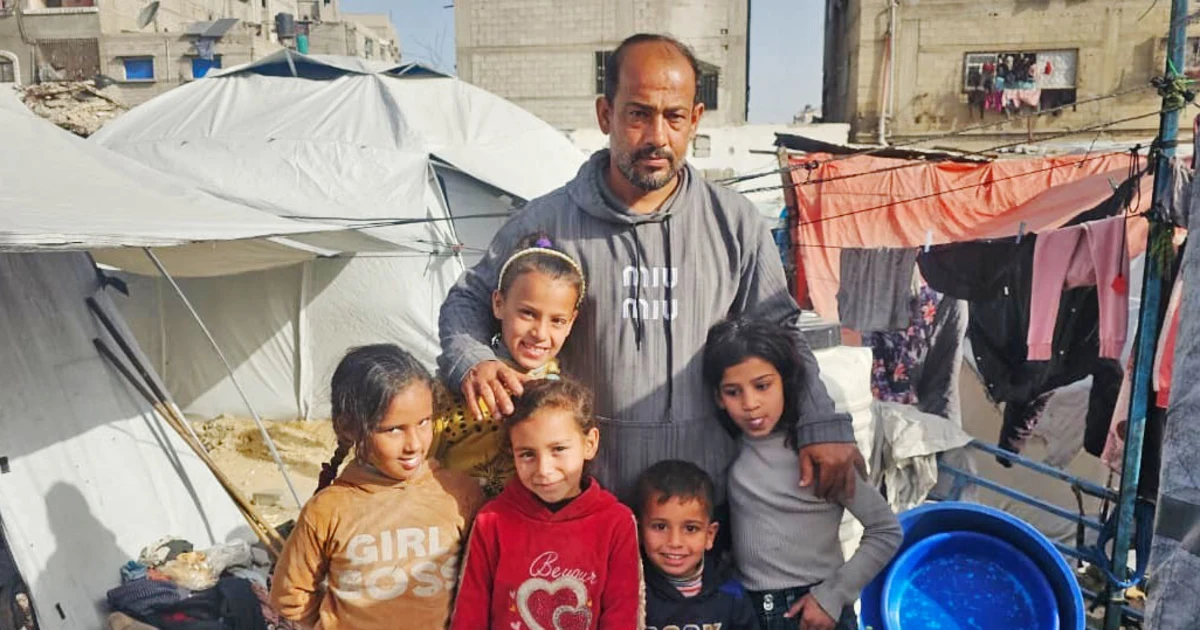
The humanitarian situation in Gaza remains dire. Years of conflict have devastated homes, hospitals, schools, and infrastructure, leaving countless residents displaced and in urgent need of basic services. Reconstruction efforts are expected to be costly and time-consuming, requiring coordinated action from international donors, local administrators, and non-governmental organizations.
The transitional governing body’s mandate to prioritize rebuilding and service delivery represents a critical step toward addressing these needs. By centralizing administrative responsibilities, supporters hope the panel can accelerate recovery projects, improve governance, and foster a sense of normalcy for everyday life in Gaza.
Looking Ahead
President Trump’s backing of a transitional Palestinian administrative panel signals a renewed U.S. commitment to active engagement in the Middle East peace process — albeit with a focus on practical governance and stabilization rather than immediate political resolution. Whether this initiative will lead to lasting peace, effective governance, and meaningful improvements in the lives of Gazans depends on cooperation from regional players, buy-in from major Palestinian factions, and tangible progress on security and humanitarian fronts.
For now, the announcement represents a new chapter in efforts to navigate one of the most complex and protracted conflicts in the world, offering a framework that emphasizes stability, reconstruction, and cautious optimism amid enduring challenges.









Leave a Reply