

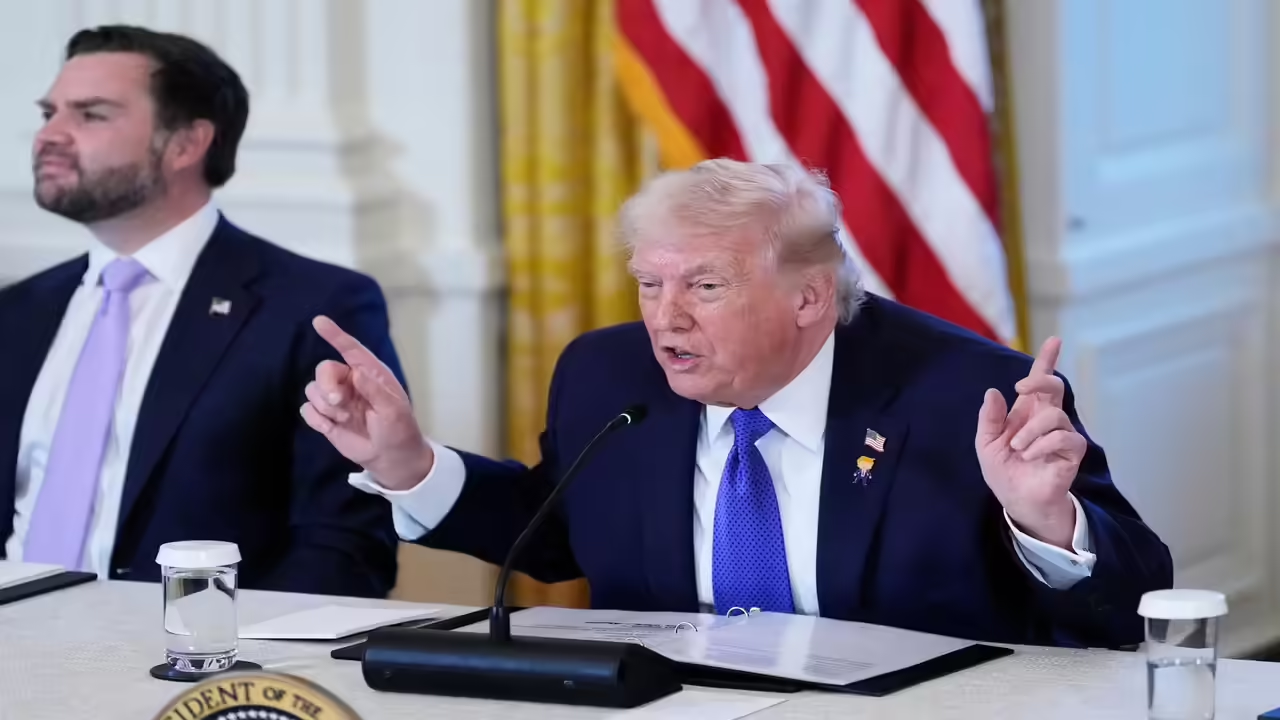
In a highly anticipated economic announcement, President Donald Trump has proposed an unprecedented one‑year cap on credit card interest rates, setting the maximum allowable rate at 10 percent. The plan, which is scheduled to begin on January 20, 2026, aims to reduce the financial strain faced by millions of Americans dealing with high‑interest debt.
The proposal comes as part of the administration’s broader focus on consumer affordability and economic relief as the nation continues to navigate rising costs of living and borrowing. Trump’s announcement has quickly sparked heated debate across political, financial, and consumer advocacy circles, underscoring the deep divisions over how best to balance consumer protection with the realities of the credit market.
Overview of the Proposal
President Trump unveiled the interest rate cap initiative at a time when credit card borrowing has become increasingly expensive for many households. By limiting annual percentage rates to a maximum of 10 percent for a full year, the administration argues that economically vulnerable Americans will have a much‑needed reprieve from exorbitant charges that can compound rapidly on carried balances.
Trump characterized the measure as a direct response to what he described as predatory practices by credit card issuers, whose average interest rates routinely exceed 20 percent. He asserted that the cap would protect consumers from being “ripped off” by high‑cost lending practices and would help put more financial power back into the hands of working families.
Political and Economic Context
The timing of this announcement is notable. With the 2026 midterm elections on the horizon, Trump’s proposal adds to the administration’s efforts to highlight policies it claims will directly improve the daily financial lives of average Americans. Lowering credit card interest rates, even temporarily, may resonate with voters who carry monthly balances and struggle with the rising cost of essential expenses.
Yet many analysts caution that the plan may be more symbolic than immediately actionable. Under current federal law, setting a nationwide cap on credit card interest rates would likely require congressional approval or regulatory intervention. This means that Trump’s proposal, while bold in its intent, would need legislative backing to become law.
Support and Criticism from Lawmakers
Reactions among lawmakers have ranged from enthusiastic support to sharp skepticism. Some members of Congress, particularly those representing economically distressed districts, welcomed the proposal as a bold step toward tackling the credit burden facing everyday Americans. These supporters argue that the average household carrying credit card balances stands to benefit significantly from lower interest costs that can free up income for other living expenses.
Conversely, other lawmakers have raised concerns that such a cap could have unintended consequences. Some Republicans and Democrats alike have pointed to the complexities of the credit market, cautioning that a rigid interest cap could hamper access to credit, especially for borrowers with lower credit scores.
Financial Industry Response
The financial sector has been largely critical of the cap proposal, warning that artificially restricting interest rates could disrupt the credit market. Bankers and financial analysts argue that lending institutions price their interest rates based on risk and operating costs, and that a sudden cap could force lenders to tighten credit availability or increase fees elsewhere to offset potential losses.
Some financial experts suggest that limiting interest rates could prompt banks and credit issuers to reduce the number of credit cards offered or make approvals more stringent, particularly for consumers with less‑established credit histories. Others speculate that reward programs and incentives tied to credit cards could be curtailed if issuers lose flexibility in pricing their products.
Consumer Advocates Weigh In
Consumer advocacy groups have generally praised the spirit of Trump’s proposal, emphasizing the burden of high interest rates on households struggling to make ends meet. Advocates argue that high borrowing costs disproportionately affect low‑ and middle‑income families who are more likely to carry card balances month‑to‑month.
However, even some consumer rights proponents have noted that interest rate caps alone will not solve deeper structural issues in the credit market. They urge complementary reforms such as enhanced financial literacy programs, reforms to bankruptcy protections, and stronger oversight of predatory lending practices.
What Happens Next
For the proposed interest rate cap to be implemented, lawmakers would need to introduce and pass legislation reflecting the president’s vision, or regulatory agencies would need new authority to enforce such limits. Whether Congress takes up the issue remains uncertain, as lawmakers must balance consumer protection goals with concerns about market stability.
In the coming weeks, both supporters and critics of the plan are expected to intensify their efforts to shape public opinion and legislative action. For millions of Americans who juggle credit card debt, the outcome of this policy debate could have meaningful implications for household finances in 2026 and beyond.














Leave a Reply