

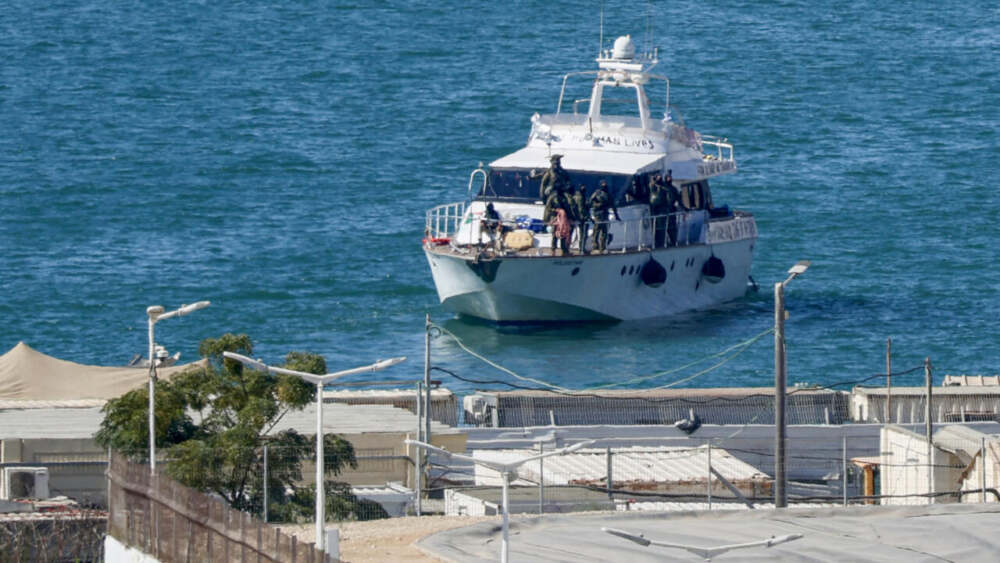
Turkey is preparing to fly home dozens of its citizens detained by Israeli authorities after the interception of a Gaza aid flotilla earlier this week. The Turkish government announced that a special Turkish Airlines flight will depart on Saturday to repatriate 36 nationals, while efforts continue to secure the release of others still in Israeli custody.
The operation marks the latest flashpoint in an escalating diplomatic confrontation between Ankara and Jerusalem, reigniting memories of past maritime confrontations over Gaza and highlighting the enduring volatility surrounding the enclave’s blockade.
The Gaza Aid Flotilla Interception
The flotilla, composed of more than 40 small and medium-sized vessels, set sail earlier this week carrying hundreds of international activists, journalists, and humanitarian workers. Organized by a coalition of NGOs and solidarity groups, the mission aimed to deliver food, medicine, and other essential supplies to Gaza — bypassing Israeli inspection points, which organizers claim hinder humanitarian access.
As the flotilla approached Gaza’s restricted maritime zone, Israeli naval forces moved in, warning the vessels to alter course. When several boats refused, commandos boarded the ships and seized control without reported fatalities, though participants described the encounter as tense and intimidating.
All vessels were escorted to Israel’s southern port of Ashdod, where more than 450 activists from 20 different countries were detained for questioning. Among them were 36 Turkish nationals, including activists, journalists, and medical volunteers.
Conditions and Complaints from Detainees
Following their detention, several participants alleged harsh treatment by Israeli forces. Some claimed they were blindfolded, restrained for hours, or denied food and water during interrogation. A few reported being held in cramped conditions without access to legal representation.
Israel’s government rejected those allegations, maintaining that all detainees were handled “according to international standards” and that force was used only when participants resisted. Israeli officials also defended the interception as necessary for national security, citing the ongoing threat of weapons smuggling into Gaza under the guise of humanitarian missions.
Nonetheless, human rights organizations have demanded transparency regarding the detainees’ treatment and called for independent monitors to review the operation.
Ankara’s Diplomatic Response
Turkey reacted swiftly and sharply. The Foreign Ministry summoned Israel’s ambassador to express “strong protest” over the detention and treatment of Turkish citizens. President Recep Tayyip Erdoğan described the interception as a “blatant violation of international law and human decency,” vowing that Turkey would “not remain silent while its citizens are mistreated in pursuit of humanitarian ideals.”
According to Turkish officials, the government coordinated closely with Israeli authorities and international organizations to ensure the safe repatriation of its nationals. The special flight arranged for Saturday afternoon will land in Istanbul, where the returnees are expected to be greeted by relatives, activists, and government representatives.
Ankara also announced plans to dispatch additional consular staff to assist other Turkish citizens still being processed in Israel, with assurances that their return “will follow shortly.”
Historical Context: Echoes of the Mavi Marmara
The latest incident revives memories of the 2010 Mavi Marmara raid, when Israeli commandos stormed a Turkish-led flotilla bound for Gaza, killing nine activists. That episode led to a decade of frozen diplomatic relations between Turkey and Israel and remains a sensitive issue in both nations’ political discourse.
Although relations were normalized in recent years — with ambassadors reinstated and trade links restored — this new flotilla crisis threatens to unravel those fragile ties. Analysts warn that the current standoff could set back efforts to maintain dialogue between the two regional powers.
“This is a test of restraint on both sides,” said one Ankara-based foreign policy expert. “If Turkey pushes too hard diplomatically and Israel responds defensively, the progress made since 2022 could quickly evaporate.”
The Broader Humanitarian Dimension
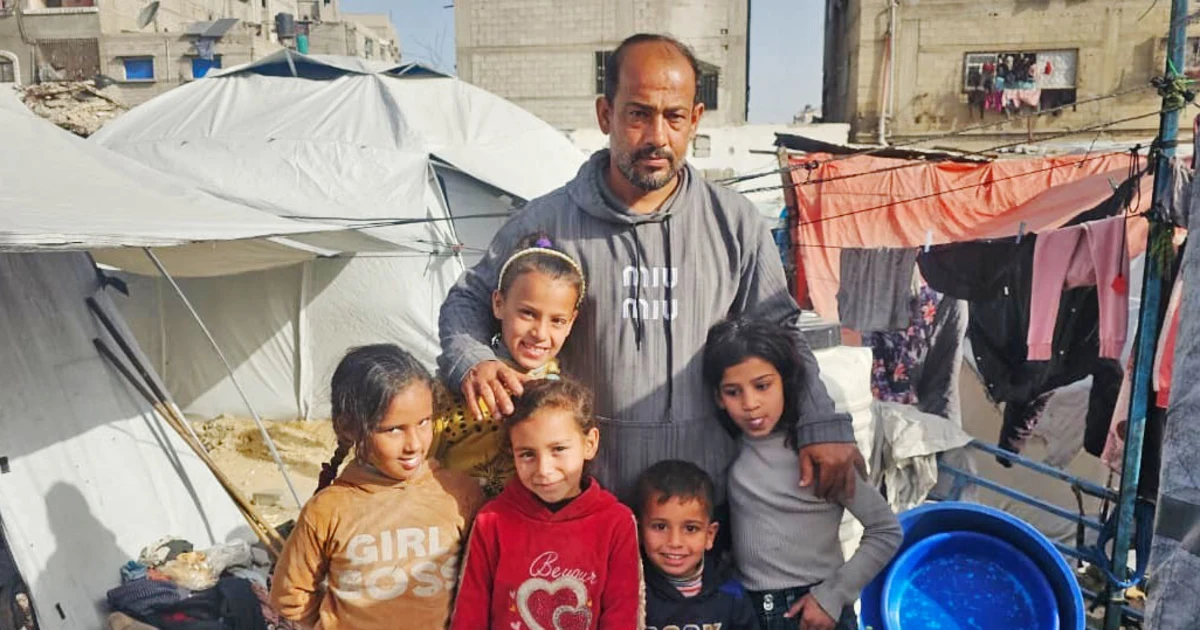
The Gaza Strip remains under an Israeli land and naval blockade, which has been in place since 2007. Israel says the restrictions are necessary to prevent Hamas and other militant groups from importing weapons. Critics argue that the blockade amounts to collective punishment, contributing to the enclave’s severe humanitarian crisis.
Flotilla organizers said their mission was purely humanitarian, meant to raise awareness and deliver medical supplies to hospitals struggling with shortages. They claim Israel’s actions highlight how even peaceful aid efforts are criminalized under the current blockade regime.
United Nations agencies have repeatedly warned that Gaza’s situation is deteriorating, with acute shortages of water, electricity, and medical resources. The UN has called for “unhindered humanitarian access” to all civilians in need.
International Reactions
Governments across Europe and the Middle East have expressed concern about the flotilla’s interception. Several countries confirmed that their citizens were among those detained, including Italy, Malaysia, Ireland, and the United States. Most are now in the process of negotiating their return.
Human rights organizations have urged Israel to release all detained activists immediately, calling the naval blockade itself “a violation of international humanitarian law.” In contrast, Israeli officials insist that the blockade is lawful under UN resolutions and necessary to prevent the inflow of arms and military materials.
What Comes Next
As the repatriation process unfolds, the diplomatic and political repercussions are likely to grow. Turkish officials are expected to raise the issue at the United Nations and may push for a broader international investigation into the legality of the blockade and the detention of activists.
Meanwhile, the flotilla’s organizers say they remain undeterred. In a statement released on Saturday, they vowed to continue organizing humanitarian missions to Gaza “until the siege is lifted and civilians are free to live with dignity.”
For Turkey, the return of its detained citizens will be a relief — but it may also mark the beginning of a renewed confrontation with Israel, one that could reshape diplomatic relations and reignite global debate over Gaza’s isolation.









Leave a Reply