

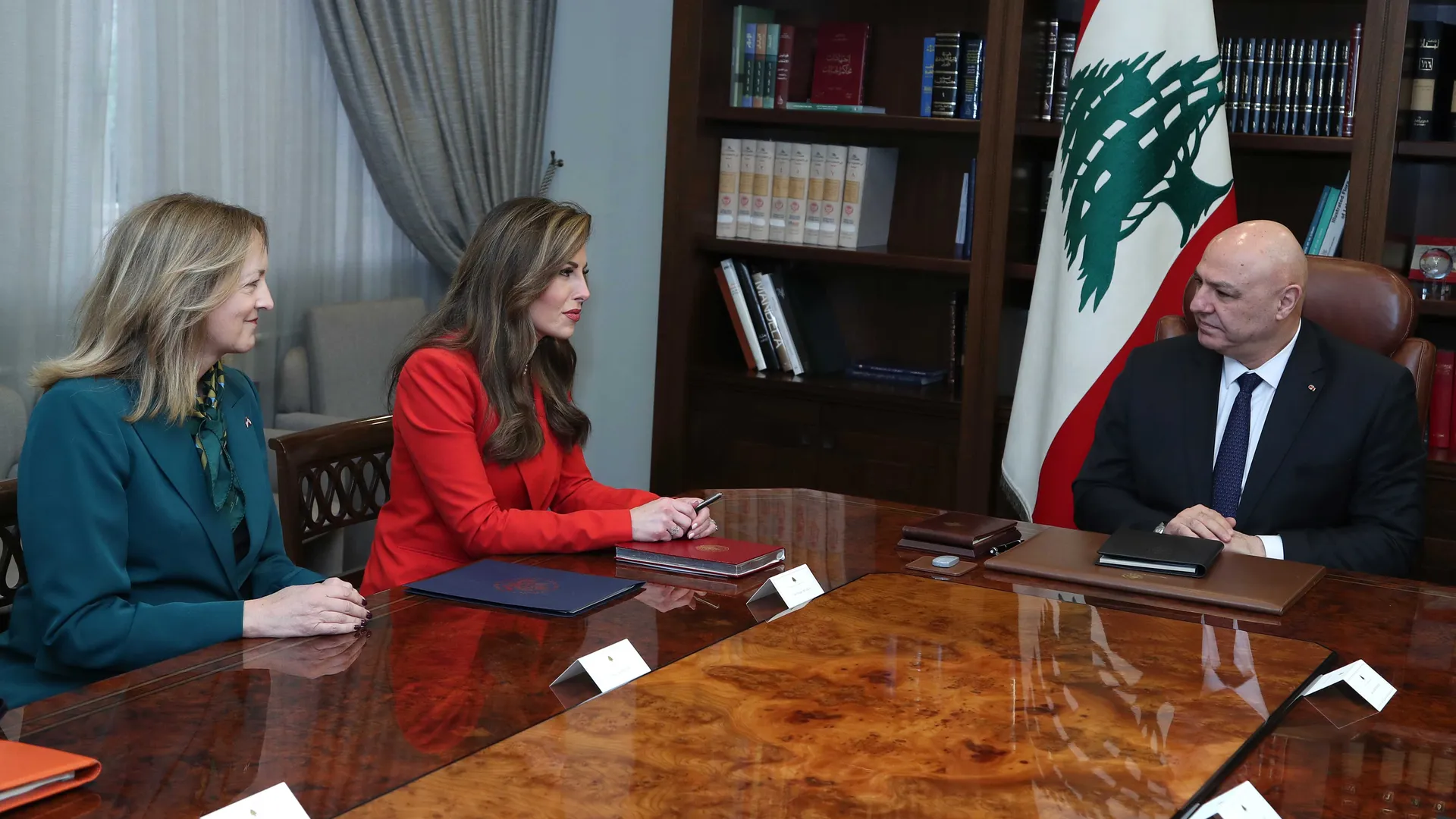
In a diplomatic breakthrough not seen in more than 40 years, officials from Israel and Lebanon have held direct talks facilitated by the United States. The meeting, conducted under a ceasefire monitoring framework, signals a rare moment of engagement between two nations that remain technically at war and have long relied on indirect or military-only communication channels.
The talks were hosted in the border town of Naqoura, where civilian representatives from both sides sat together to discuss terms related to ceasefire compliance, hostage issues, troop movements, and broader regional stability. U.S. envoys chaired the session, underscoring Washington’s renewed commitment to easing tensions along one of the Middle East’s most volatile frontiers.
Lebanon stressed that the talks should not be viewed as the beginning of peace negotiations or steps toward normalization. Instead, officials described the meeting as a practical effort to reinforce the existing truce and prevent further escalation. Lebanon’s decision to include civilian envoys — rather than relying solely on military delegates — marked a significant departure from past practice and suggested a cautious willingness to explore diplomatic avenues.
Israel, meanwhile, characterized the meeting as an important step toward building stability, while hinting that future cooperation could evolve if security conditions improve. Israeli officials also reiterated concerns about Hezbollah’s influence in southern Lebanon, an issue that remains central to any long-term de-escalation.
Despite the historic nature of the talks, both sides remain deeply divided. Public sentiment in Lebanon still strongly opposes any direct engagement with Israel, and political actors face significant domestic pressure. Analysts warn that ongoing regional tensions, political fragmentation in Beirut, and security flashpoints along the border could easily derail progress.
Even so, the meeting marks a symbolic turning point. For the first time in decades, Israelis and Lebanese sat in the same room, speaking directly — a development that would have been difficult to imagine in recent years. Whether this initial step will grow into a sustained dialogue or fade into another moment of fleeting diplomacy remains uncertain.









Leave a Reply