

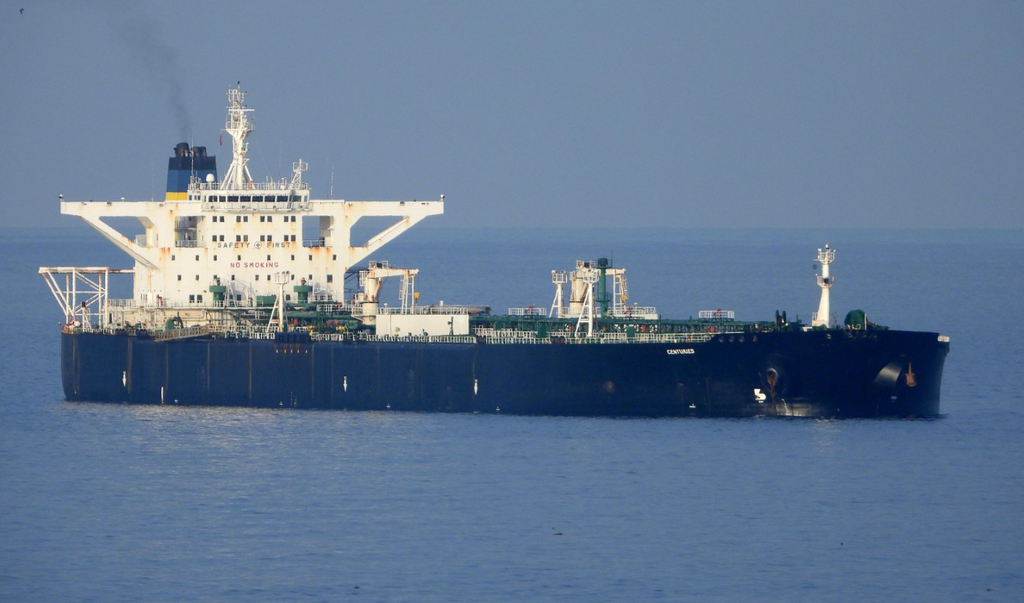
The U.S. Coast Guard has boarded a tanker carrying Venezuelan oil, underscoring Washington’s continued enforcement of sanctions and maritime oversight tied to Venezuela’s energy exports. The operation highlights the heightened scrutiny faced by vessels transporting crude linked to countries under U.S. restrictions, particularly when shipments transit international waters near American jurisdictions.
According to officials familiar with the operation, Coast Guard personnel conducted a lawful boarding to verify the tanker’s documentation, cargo origin, and compliance with international maritime regulations. Such boardings are standard practice when authorities have questions about a vessel’s registration, ownership structure, destination, or adherence to sanctions regimes.
Focus on Sanctions Compliance
Venezuela’s oil sector has been subject to U.S. sanctions for years, aimed at pressuring the government over democratic backsliding and human rights concerns. While some sanctions have been temporarily eased or adjusted to allow limited oil transactions under specific licenses, enforcement agencies remain alert for shipments that may fall outside permitted channels.
Maritime experts note that Venezuelan crude is often moved through complex networks involving reflagged vessels, ship-to-ship transfers, and opaque ownership arrangements. These practices can make it difficult to trace cargo origins, prompting authorities to take a closer look when tankers raise red flags.
“The Coast Guard’s role is not just about security, but about enforcing U.S. law at sea,” said a maritime policy analyst. “Boardings like this send a signal that sanctions enforcement is active and ongoing.”
Strategic and Economic Implications
The interception comes at a time when global energy markets remain sensitive to geopolitical disruptions. Venezuela holds some of the world’s largest proven oil reserves, and any constraints on its exports can ripple through regional and international markets. However, U.S. officials have emphasized that enforcement actions are targeted and do not represent a blanket disruption of global oil trade.
The boarding also reflects broader U.S. concerns about illicit maritime activity, including sanctions evasion, environmental risks, and unsafe shipping practices. Tankers carrying crude oil pose significant environmental hazards if improperly operated, adding another layer of urgency to compliance checks.
What Happens Next
After an inspection, authorities typically determine whether the vessel can proceed, must correct deficiencies, or faces further investigation. Outcomes can range from clearance to continue its voyage to potential fines, cargo seizure, or referral to other federal agencies if violations are suspected.
For now, the Coast Guard has not indicated whether the tanker will be detained or allowed to resume its journey. The case adds to a growing list of maritime enforcement actions that illustrate how sanctions policy is enforced not only through financial systems, but also on the open seas.
As global energy flows increasingly intersect with geopolitics, the boarding serves as a reminder that oil shipments are not just commercial transactions—but also instruments of foreign policy.















Leave a Reply