

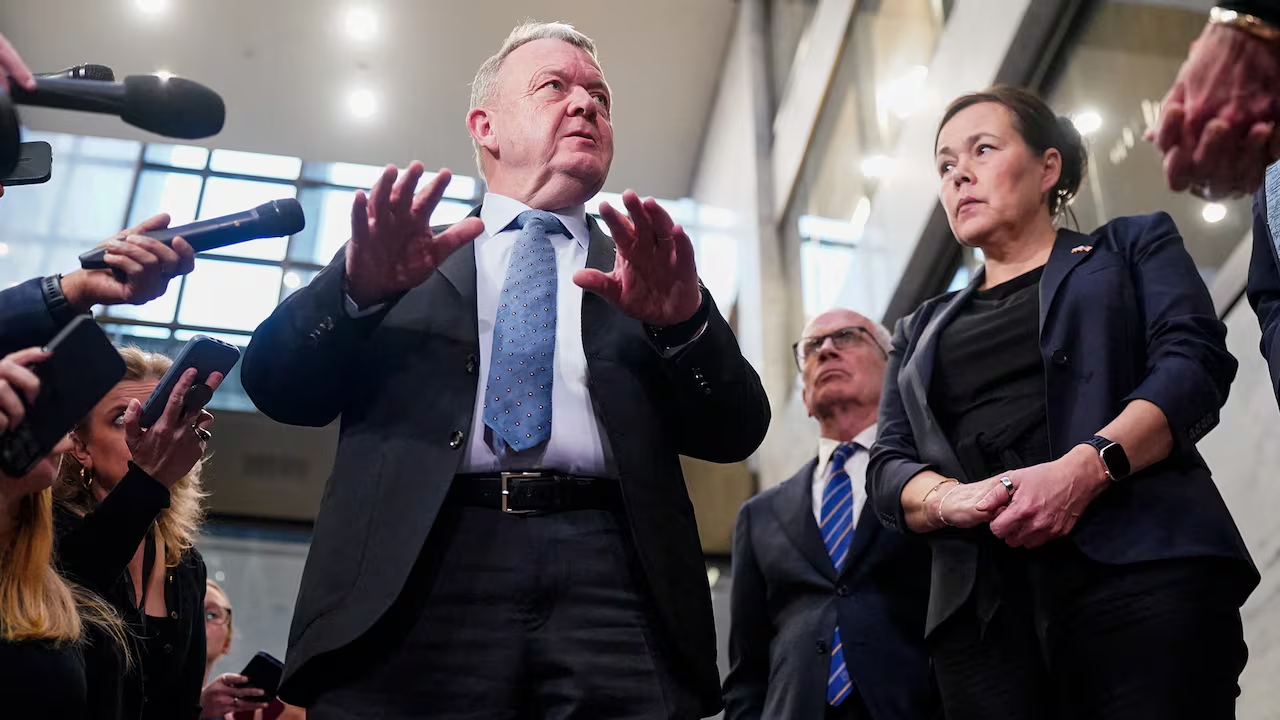
A bipartisan delegation of U.S. lawmakers arrived in Copenhagen this week in an effort to calm rising diplomatic tensions between the United States and Denmark following President Donald Trump’s renewed and controversial remarks about Greenland. The visit reflects growing concern within Congress that aggressive rhetoric toward the strategically vital Arctic territory could strain long-standing alliances and undermine NATO unity.
Led by Senator Chris Coons, the delegation includes both Democratic and Republican lawmakers who met with Danish Prime Minister Mette Frederiksen and Greenland’s political leadership. Their core message was clear: while the U.S. government recognizes Greenland’s strategic importance, Congress remains firmly committed to respecting sovereignty, international law, and cooperation with allies.
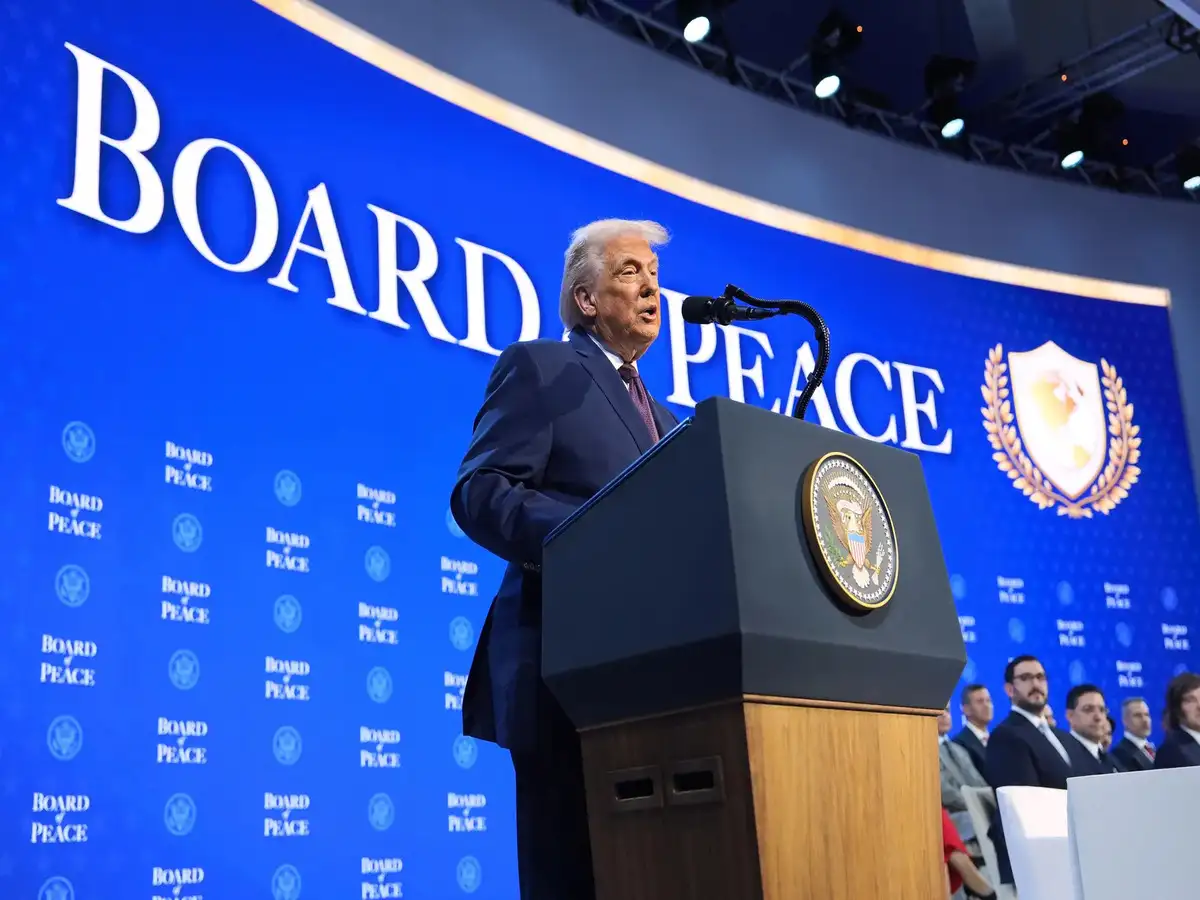
Greenland, an autonomous territory within the Kingdom of Denmark, has become a focal point of geopolitical interest due to its location in the Arctic, proximity to key shipping routes, and vast reserves of rare earth minerals. President Trump has argued that U.S. control over Greenland is critical for national security, and his refusal to rule out forceful measures has alarmed European partners and triggered strong reactions in Copenhagen and Nuuk.
Lawmakers involved in the visit emphasized that Congress does not share an expansionist view of Greenland’s future. Several members of the delegation stated that dialogue, not coercion, is the foundation of effective diplomacy. They warned that aggressive posturing could weaken NATO at a time when unity is essential to counter growing influence from rival powers such as Russia and China in the Arctic region.
The Copenhagen trip follows a series of tense diplomatic exchanges in Washington, where Danish and Greenlandic officials reportedly failed to secure assurances from senior U.S. administration figures that the issue would be de-escalated. This impasse prompted members of Congress to step in directly, aiming to signal that the executive branch does not speak for the entirety of the U.S. political system.
Within Congress, discussions are also underway about reinforcing limits on presidential authority related to territorial acquisition and the use of military force. Some lawmakers argue that any move toward annexation or military pressure would require explicit congressional approval, reflecting broader constitutional concerns about executive overreach.
Public opinion in the United States appears to align with this cautious approach. Polling indicates that most Americans oppose the idea of acquiring Greenland through force and remain skeptical of policies that could draw the country into unnecessary conflict with allies.
For Denmark and Greenland, the visit was seen as a reassuring gesture. Officials reiterated that Greenland’s future must be determined by its people and within existing legal frameworks. They welcomed the congressional outreach as evidence that core democratic values and alliance commitments remain strong despite recent tensions.
As global competition in the Arctic intensifies, the Copenhagen meetings highlight a deeper struggle over how power is exercised in a rapidly changing geopolitical landscape. For now, U.S. lawmakers are seeking to restore trust, reinforce alliances, and ensure that strategic interests do not come at the expense of diplomacy and international stability.












Leave a Reply