

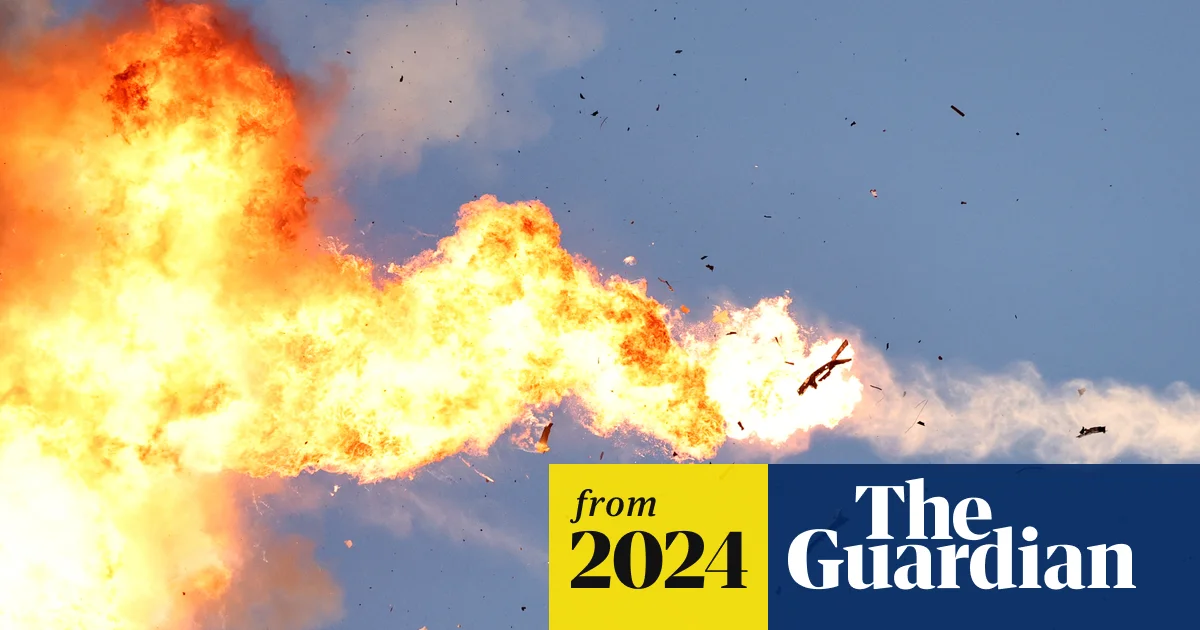
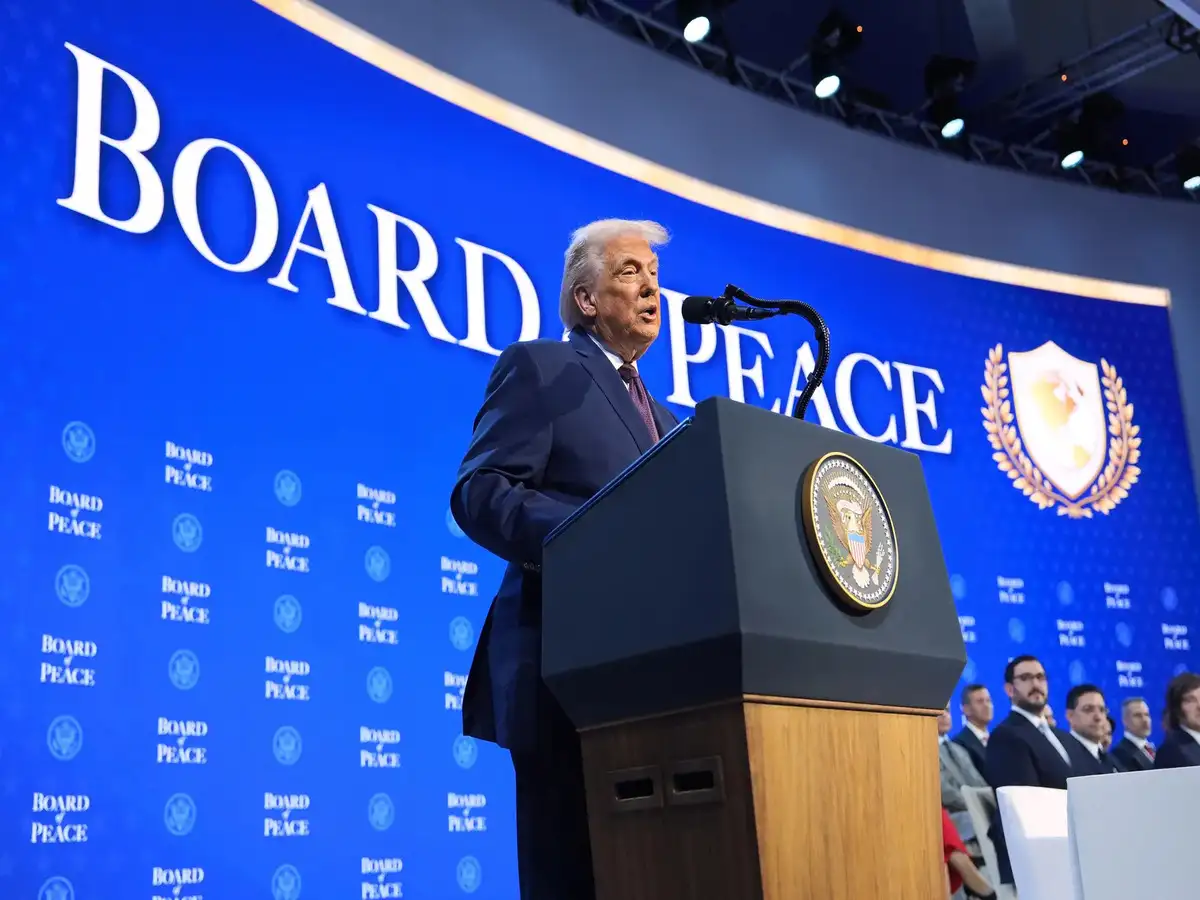
A renewed alignment between Washington and Jerusalem is reshaping the security conversation in the Middle East, as strong backing from former U.S. President Donald Trump has reinforced Israeli Prime Minister Benjamin Netanyahu’s stance toward Hezbollah, the heavily armed Lebanese group long viewed by Israel as its most immediate northern threat.
According to officials familiar with recent high-level discussions, Trump conveyed firm support for Israel’s right to act decisively against Hezbollah’s military presence and growing arsenal. The message has been interpreted in Israel as a political green light that could influence future security decisions along the tense Israel–Lebanon border, where sporadic clashes and mutual threats have persisted for years.
Hezbollah, backed financially and militarily by Iran, possesses tens of thousands of rockets and missiles capable of striking deep inside Israel. Israeli security officials argue that the group’s continued rearmament undermines regional stability and violates international commitments intended to keep southern Lebanon free of heavy weaponry. Netanyahu has repeatedly warned that Israel will not tolerate a situation in which Hezbollah strengthens its offensive capabilities under the cover of political influence in Lebanon.
Trump’s endorsement aligns with a long-standing U.S. position that considers Hezbollah a destabilizing force and a major regional security risk. During his previous time in office, Trump adopted a confrontational approach toward Iran and its proxy networks, imposing sanctions and supporting Israeli military freedom of action. His renewed backing of Netanyahu reinforces that worldview and signals continuity in policy should his influence shape future U.S. decisions.
Within Israel, the response has been largely supportive among government and defense circles. Many officials see U.S. political backing as essential deterrence, particularly as Israel balances multiple security challenges, including tensions in Gaza and the West Bank. Supporters argue that a firm stance toward Hezbollah may prevent a larger conflict by making clear that continued provocation will come at a high cost.
However, critics warn that the rhetoric increases the risk of escalation. Lebanon remains politically fragile, and Hezbollah’s deep integration into the country’s political and social fabric complicates any military confrontation. A major clash could have devastating humanitarian consequences and potentially draw in regional powers, including Iran, turning a border conflict into a wider war.
International observers have also expressed concern that stronger language and perceived backing may narrow diplomatic options. European and regional actors have consistently called for restraint, emphasizing that miscalculation on either side could rapidly spiral out of control. The Israel–Lebanon border has experienced periods of calm before, but analysts note that the current environment is particularly volatile.
For Netanyahu, Trump’s support provides both strategic reassurance and political momentum. It strengthens his narrative that Israel faces coordinated threats from Iran-backed groups and must retain full freedom to act militarily when necessary. Whether this backing translates into concrete action remains uncertain, but it has undoubtedly sharpened the tone of Israel’s security posture.
As 2026 unfolds, Hezbollah’s role in regional dynamics will remain under intense scrutiny. With U.S. political backing reinforcing Israel’s position, the balance between deterrence and escalation will be tested. The coming months may determine whether the renewed alignment serves as a stabilizing force—or pushes the region closer to another major confrontation.








Leave a Reply