


Senior advisers to U.S. President Donald Trump privately expressed growing concern over Israel’s approach to the West Bank during a recent meeting with Israeli Prime Minister Benjamin Netanyahu, highlighting rare but notable policy differences between two long-standing allies. The discussions underscored Washington’s unease over rising tensions in the territory and the potential consequences for regional stability.
According to officials familiar with the meeting, Trump’s aides raised alarms over a surge in settler-related violence, continued settlement expansion, and Israeli financial measures affecting the Palestinian Authority. They warned that current policies risk deepening instability at a time when the broader region remains highly volatile.
One of the key issues discussed was the deterioration of security in parts of the West Bank, where clashes and attacks have increased in recent months. U.S. officials argued that unchecked violence could undermine Israel’s own security while also weakening Palestinian governing institutions. They emphasized that maintaining order in the territory is essential to preventing a wider breakdown that could benefit extremist groups.
Another central concern was Israel’s decision to withhold tax revenues it collects on behalf of the Palestinian Authority. These funds are critical to the authority’s ability to pay salaries and provide basic services. American advisers cautioned that prolonged financial pressure could push the Palestinian Authority toward collapse, creating a power vacuum that would complicate both Israeli security operations and future diplomatic efforts.
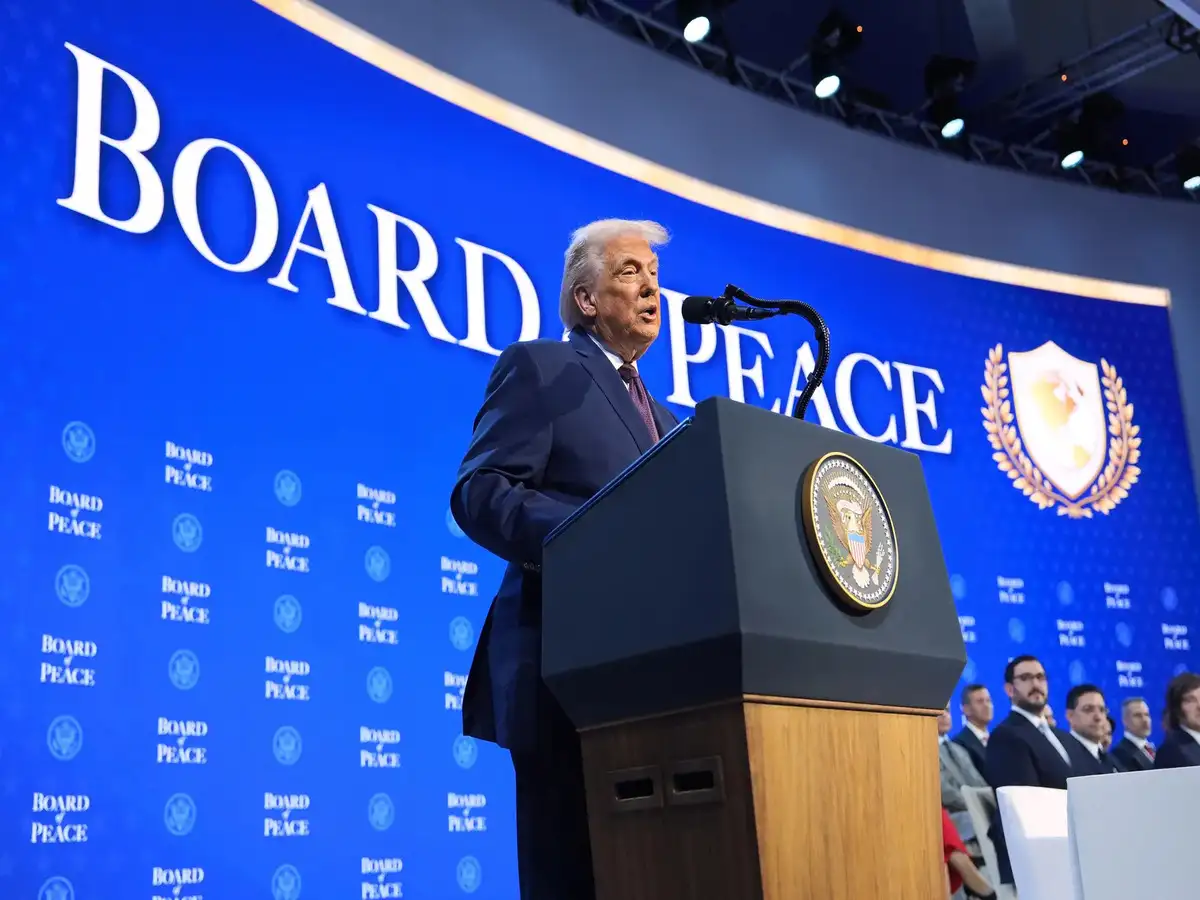
While the conversation included frank criticism, it was described as constructive rather than confrontational. President Trump later acknowledged that the United States and Israel do not see eye to eye on every issue related to the West Bank but stressed the strength of the bilateral relationship. He expressed confidence that disagreements could be managed through continued dialogue and cooperation.
Prime Minister Netanyahu defended his government’s policies, pointing to security threats and domestic political pressures. His coalition includes hardline factions that strongly support settlement expansion and oppose concessions to Palestinian leadership. Nevertheless, Netanyahu reportedly signaled awareness of U.S. concerns and indicated openness to measures that could reduce tensions without compromising Israel’s security priorities.
The meeting reflected a broader dilemma facing Washington. While the United States remains Israel’s closest ally and a key security partner, American officials are increasingly worried that developments in the West Bank could derail efforts to stabilize Gaza, expand regional diplomatic agreements, and preserve the possibility of a future political settlement with the Palestinians.
Analysts say the exchange illustrates a shift toward more direct U.S. engagement on West Bank policy, even under an administration generally supportive of Israel. The fear in Washington is that worsening conditions on the ground could trigger unrest that spills beyond the territory, drawing in neighboring countries and undermining regional alliances.
Although no immediate policy changes were announced, the discussion signals that the West Bank is emerging as a sensitive fault line in U.S.–Israeli relations. As tensions continue to simmer, both sides face mounting pressure to balance security concerns with political and humanitarian considerations that could shape the region’s future.











Leave a Reply