

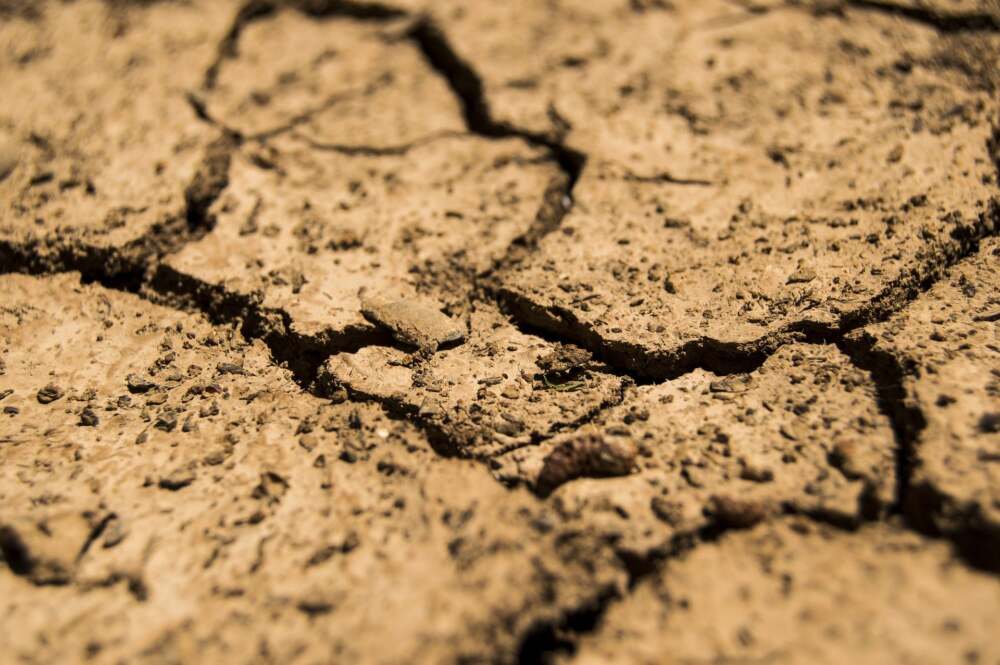
In a groundbreaking study, scientists at Rockefeller University’s Laboratory of Genetically Encoded Small Molecules have developed innovative DNA extraction techniques that unveil previously unseen soil bacteria. This advancement not only deepens our understanding of microbial biodiversity but also opens new avenues for discovering antibiotic candidates.
The Challenge of Uncultivable Microbes
Traditional microbiology has long been hindered by the inability to culture the majority of soil bacteria in laboratory settings. This limitation, often referred to as the “microbial culturing bottleneck,” has left a vast array of microbial species, known as “microbial dark matter,” largely unexplored. These uncultivable microbes are believed to play crucial roles in ecosystems and may harbor novel compounds with therapeutic potential.
Innovative DNA Extraction and Analysis
The research team addressed this challenge by developing a method to extract large DNA fragments directly from soil samples. By employing advanced bioinformatics tools, they were able to assemble these DNA sequences into complete microbial genomes. This approach enabled the identification of hundreds of previously unknown bacterial species and the discovery of two promising broad-spectrum antibiotic candidates.
Implications for Antibiotic Discovery
The emergence of antibiotic-resistant bacteria poses a significant threat to global health. By tapping into the genetic resources of uncultivable soil bacteria, this new methodology offers a promising strategy to uncover novel antibiotics that may be less susceptible to resistance mechanisms. This approach not only enriches our understanding of microbial diversity but also provides a sustainable pathway for the development of new antimicrobial agents.
Future Directions
The success of this study paves the way for future research aimed at exploring the vast, untapped reservoir of microbial life in soil environments. By integrating advanced DNA sequencing technologies and computational analyses, scientists can continue to uncover the hidden microbial communities that contribute to the health of our planet and hold the key to combating emerging infectious diseases.
Conclusion
This breakthrough in DNA extraction and analysis techniques marks a significant step forward in microbiology and antibiotic discovery. By revealing the unseen world of soil bacteria, researchers have opened new frontiers in understanding microbial ecosystems and developing novel therapeutic agents to address the growing challenge of antibiotic resistance.











Leave a Reply