

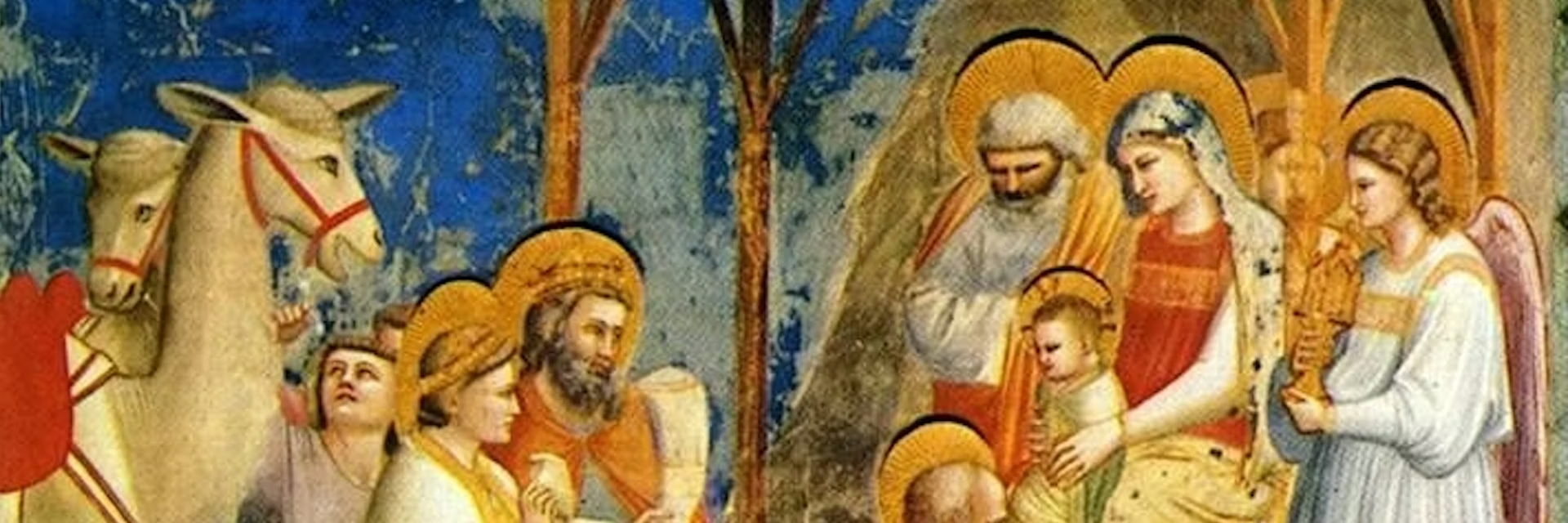
For centuries, the “Christmas Star” has captivated historians, theologians, and stargazers alike. Mentioned in biblical accounts as the celestial sign that guided the Magi to Bethlehem, the phenomenon has inspired both awe and debate. Modern astronomy may now be offering clues that could explain this enduring mystery, bridging ancient lore with scientific observation.
The term “Christmas Star” traditionally refers to a bright object or alignment in the sky coinciding with the birth of Jesus. While historical records are limited, descriptions suggest an unusual or striking astronomical event — one significant enough to catch the attention of traveling sages. Over the years, astronomers and historians have proposed several explanations, ranging from rare planetary alignments to supernovae or comets.
Planetary Conjunctions: A Cosmic Alignment
One leading theory involves a planetary conjunction, an event where two or more planets appear very close together in the sky from Earth’s perspective. Some researchers suggest that a rare conjunction of Jupiter and Saturn around 7–6 BCE could have produced a bright “star” visible even to the naked eye. Such alignments are infrequent — Jupiter and Saturn meet roughly every 20 years — but a particularly close conjunction could have created an extraordinary point of light.
Other possibilities include a triple conjunction, where planets appear aligned multiple times over a short period, which would have been unusual enough to be interpreted as a significant omen. Historical records of ancient Babylonian astronomers, who meticulously charted planetary movements, lend some credibility to this theory.
Comets and Supernovae: Celestial Fireworks
Some scholars argue that the Christmas Star might have been a comet, potentially with a bright tail visible from Earth. Chinese astronomical records mention comets around the same period, though precise dates are debated. A comet’s movement across the sky could have served as a natural guide for travelers, aligning with the biblical narrative of the Magi following a moving celestial object.
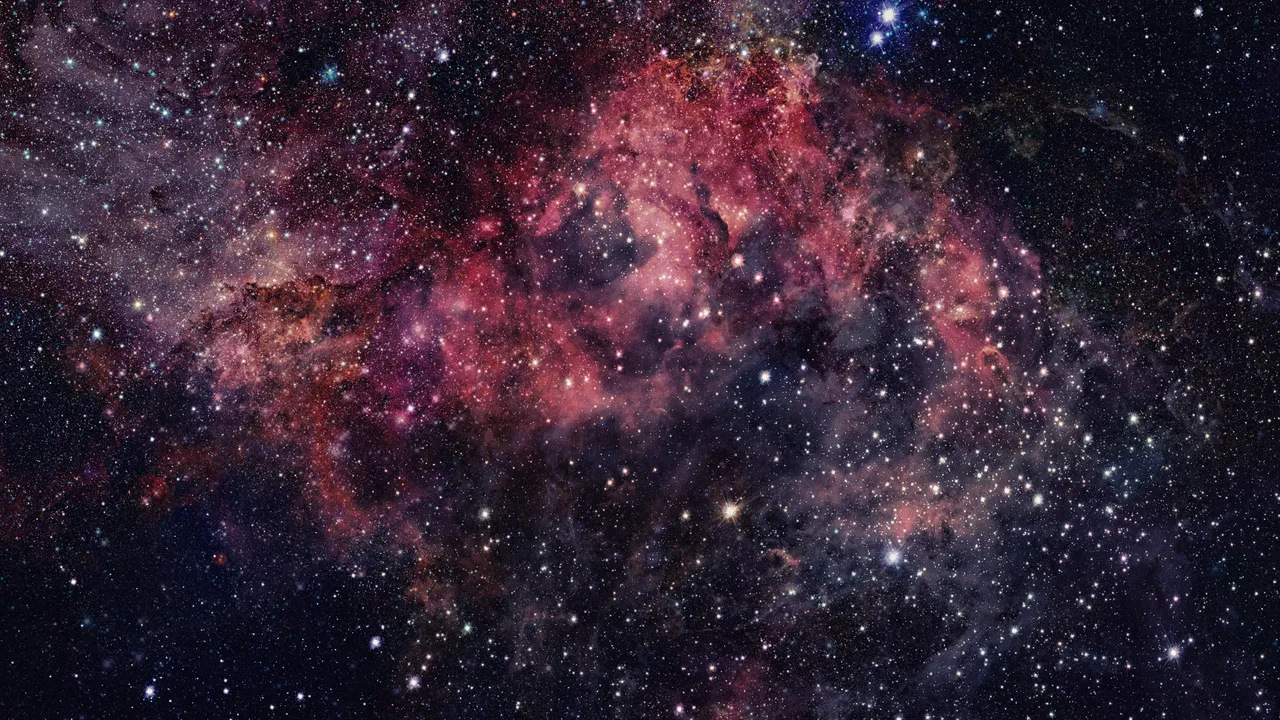
Alternatively, a supernova or nova — an exploding star visible from Earth — could explain the sudden appearance of a bright, stationary light in the night sky. Unlike planets, supernovae shine with remarkable intensity and gradually fade over weeks or months, which could match descriptions of a significant, long-lasting celestial event.
Cultural and Symbolic Interpretations
While astronomy offers potential explanations, some historians emphasize the symbolic rather than literal meaning of the Christmas Star. Ancient cultures often viewed unusual celestial phenomena as divine messages, omens, or markers of important events. The “star” may therefore have carried both practical and spiritual significance, blending observation with cultural interpretation.
Modern Observations and Legacy
Today, astronomers and enthusiasts attempt to recreate the night sky of the first century BCE using computer simulations. These models allow researchers to identify possible alignments, conjunctions, or bright celestial objects that would have been visible in the Middle East. While no theory is definitive, the combination of historical accounts, astronomical data, and cultural context brings us closer to understanding what might have inspired the Christmas Star legend.
Whether a planetary alignment, a comet, or a supernova, the Christmas Star continues to capture imaginations during the holiday season. Its mystery reminds us of humanity’s enduring fascination with the sky and our quest to find meaning in the cosmos.











Leave a Reply