

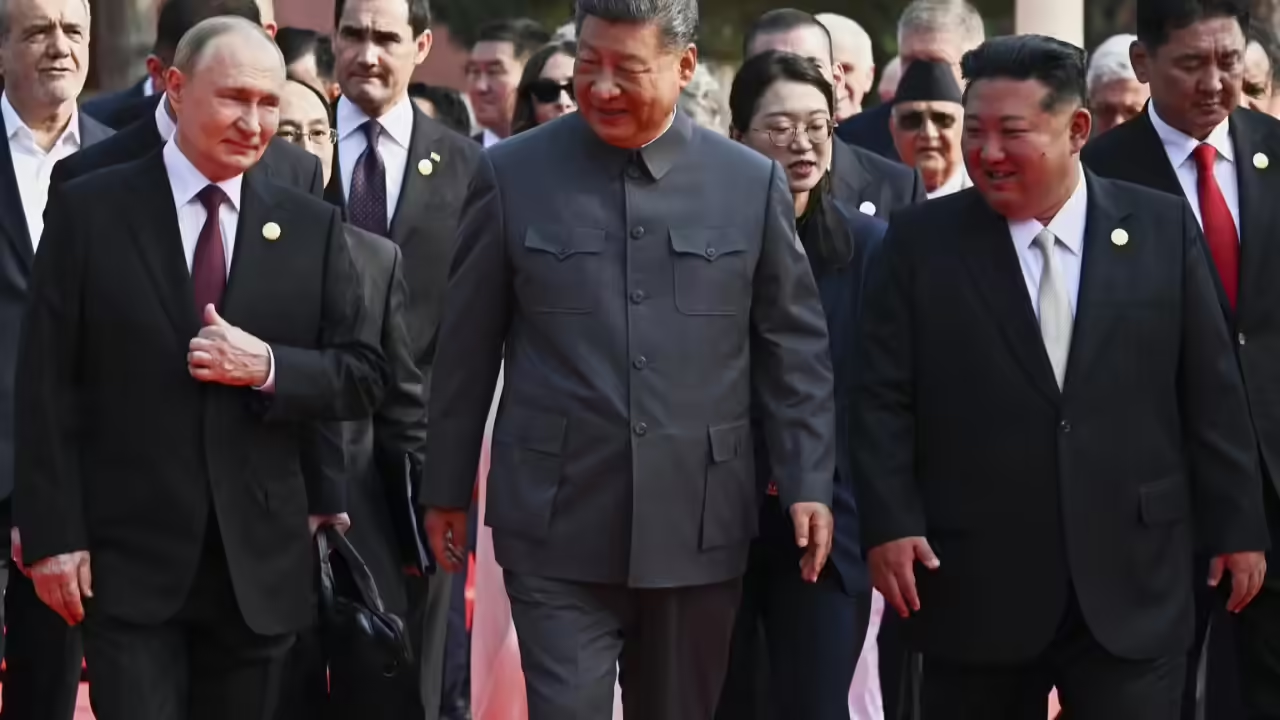
China’s leader Xi Jinping opened 2026 with a firm and uncompromising message on one of Asia’s most sensitive geopolitical flashpoints, declaring that the reunification of Taiwan with mainland China is “unstoppable.” The statement, delivered during his New Year address, has reignited global debate over cross-Strait relations and heightened concerns about regional stability in the Indo-Pacific.
In his speech, Xi framed reunification as an inevitable outcome of history rather than a political ambition. He emphasized shared culture, ancestry, and national identity between people on both sides of the Taiwan Strait, portraying unification as a core component of China’s long-term national rejuvenation. According to Xi, no external forces or internal divisions can halt what he described as a natural and irreversible process.
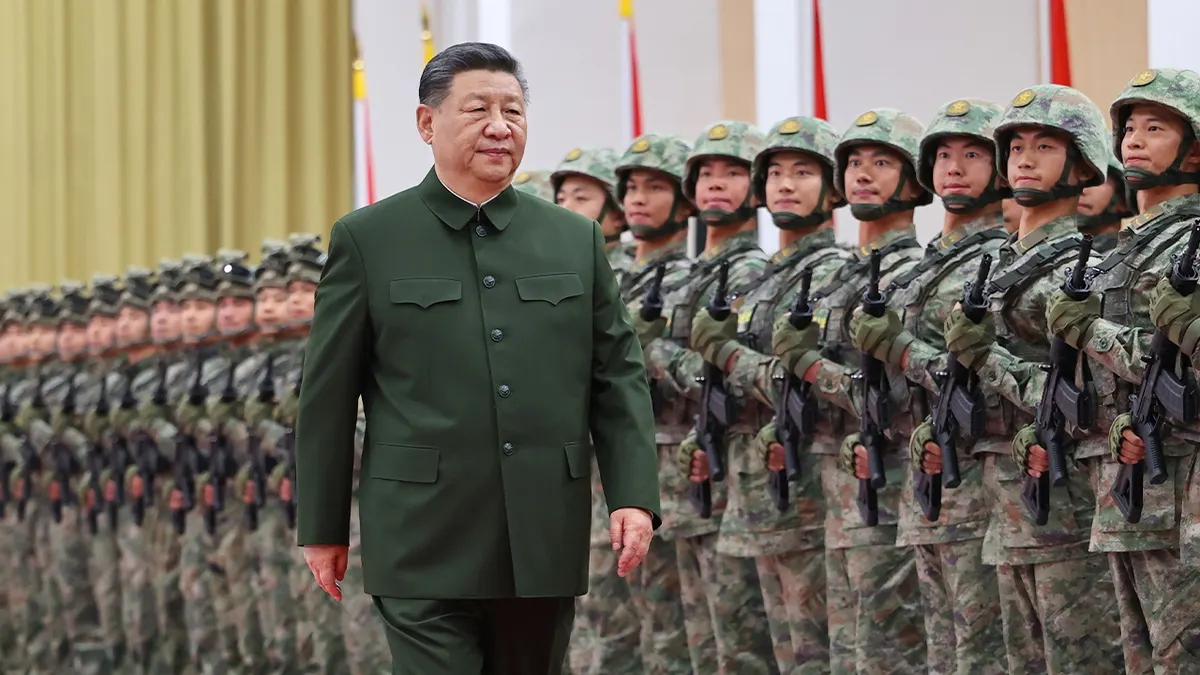
The remarks come at a time of increased military and diplomatic pressure around Taiwan. In recent months, China has carried out large-scale military drills near the island, involving naval vessels, fighter jets, and missile units. Beijing has characterized these operations as defensive measures aimed at deterring separatism and foreign interference, while critics view them as a clear warning to Taipei and its international partners.
Taiwan’s leadership swiftly rejected Xi’s assertions. Officials in Taipei reiterated that Taiwan is a self-governed democracy whose future must be decided by its own people. In parallel New Year remarks, Taiwan’s president reaffirmed a commitment to democracy, freedom, and national defense, stressing that peace can only be maintained through strength, resilience, and international cooperation.
Public opinion in Taiwan remains a key factor shaping the dispute. Surveys consistently indicate that a majority of residents favor maintaining the island’s current status, valuing political autonomy and democratic governance over unification under Beijing’s system. This gap between Beijing’s claims and Taiwanese public sentiment continues to complicate any prospects for peaceful political resolution.
International reaction to Xi’s language has been cautious but concerned. Several governments and security analysts warn that increasingly forceful rhetoric, combined with military activity, raises the risk of miscalculation. The Taiwan Strait is a critical global trade route and a focal point for strategic competition, meaning any escalation could have far-reaching economic and security consequences beyond the region.
Supporters of Beijing’s position argue that Xi’s statement reflects long-standing policy rather than a sudden shift, intended primarily to reinforce domestic unity and deter independence movements. However, critics contend that the repeated emphasis on inevitability narrows the space for dialogue and increases pressure on Taiwan, potentially undermining regional peace.
As 2026 begins, Xi’s declaration underscores that Taiwan will remain at the center of China’s national agenda. Whether the language signals a push toward concrete action or remains part of strategic messaging is uncertain. What is clear is that cross-Strait relations are entering the new year under renewed strain, with the world watching closely to see whether diplomacy or confrontation will define the path ahead.









Leave a Reply