

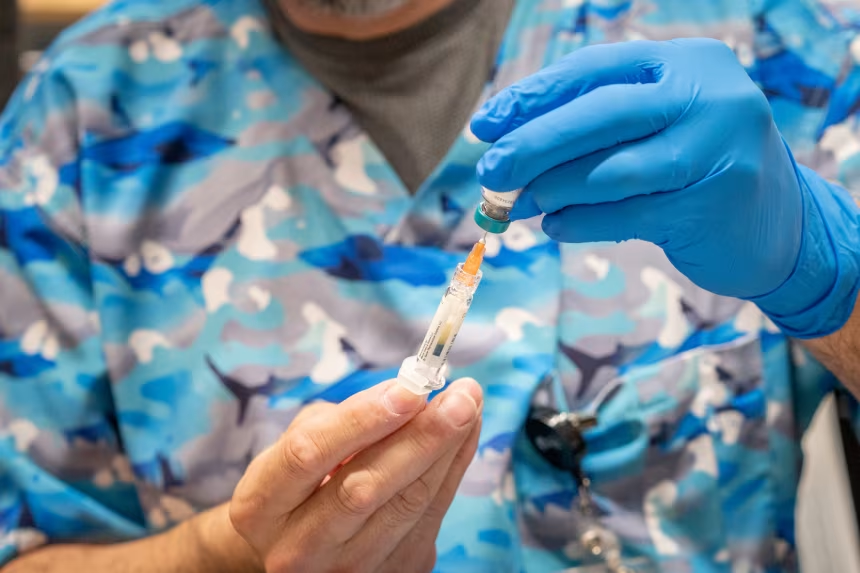
Health authorities are raising concerns as the United States confronts a second measles surge this year, with South Carolina emerging as a hotspot for the accelerating outbreak. Officials warn that communities with low vaccination coverage are at heightened risk, and swift public health interventions are critical to contain the spread.
Current Situation
The latest outbreak has affected hundreds of individuals across multiple counties in South Carolina, primarily among unvaccinated populations. Hospitals and clinics have reported an uptick in measles cases, prompting local and state health departments to issue alerts and provide guidance on vaccination and containment measures.
Measles, a highly contagious viral disease, can spread through airborne droplets when an infected person coughs or sneezes. Symptoms include fever, rash, cough, runny nose, and red, watery eyes. Complications can be severe, particularly in children and immunocompromised individuals, including pneumonia, encephalitis, and, in rare cases, death.
Factors Driving the Surge
Experts attribute the surge to several factors:
- Vaccination Gaps: Communities with low vaccination rates remain vulnerable, enabling rapid disease transmission.
- Seasonal Gatherings: Increased travel and social events in late fall and early winter have amplified exposure risk.
- Awareness and Access: In some regions, misinformation and limited access to vaccines have hindered timely immunization.
Public health officials emphasize that vaccination remains the most effective way to prevent measles. The MMR (measles, mumps, rubella) vaccine provides robust protection, and healthcare authorities are encouraging catch-up immunizations for children and adults who are not fully vaccinated.
Public Health Response
South Carolina’s Department of Health has deployed mobile vaccination units, expanded public outreach campaigns, and strengthened reporting protocols to track new cases. Schools and childcare facilities are working to enforce immunization requirements, and communities are being advised to monitor symptoms and seek medical attention promptly if measles is suspected.
Nationally, the Centers for Disease Control and Prevention (CDC) is coordinating with state health departments to monitor outbreaks, provide technical guidance, and issue updates to the public to prevent further spread.
Looking Ahead
Health officials warn that without rapid vaccination efforts, measles could continue to spread beyond South Carolina. Communities are urged to verify immunization records, stay informed about outbreaks, and support public health initiatives aimed at curbing this highly contagious disease.
The resurgence of measles serves as a reminder of the importance of maintaining high vaccination coverage and vigilance against preventable infectious diseases in the United States.















Leave a Reply