

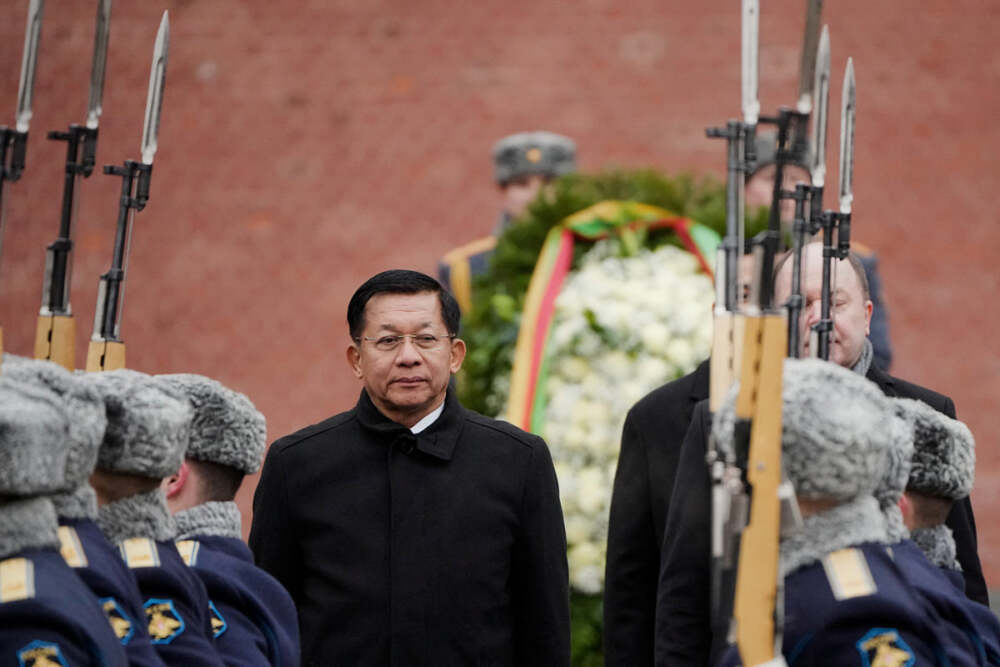
Myanmar is heading to the polls this week in what authorities describe as a step toward restoring political order, but the election is taking place against the grim reality of an ongoing civil war and a humanitarian emergency affecting millions. Nearly five years after the military seized power, large parts of the country remain locked in conflict, raising serious questions about how meaningful and inclusive the vote can be.
The election marks the first nationwide polling exercise since the 2021 coup that removed the civilian government and plunged the country into turmoil. Since then, fighting has intensified between the military and a loose alliance of ethnic armed groups and pro-democracy resistance forces. In many regions, the government no longer exercises effective control, making voting impossible for vast segments of the population.
Authorities say polling will only be held in areas deemed secure, effectively excluding numerous townships where clashes are ongoing. Critics argue this alone undermines the legitimacy of the process, as millions of citizens — particularly in rural and conflict-hit regions — will have no opportunity to participate. Several opposition parties have been dissolved, while others are boycotting the election, saying conditions are neither free nor fair.
On the streets of major cities, the atmosphere is muted. Campaign rallies are rare, political debate is subdued, and fear is widespread. Many citizens worry that refusing to vote or expressing dissent could invite scrutiny or punishment. For others, daily survival has taken precedence over politics, as economic hardship deepens and basic services continue to deteriorate.
The humanitarian situation remains dire. Millions of people have been displaced by fighting, forced to flee their homes with little more than what they can carry. Food insecurity is rising sharply, with families struggling to afford essentials amid inflation, job losses, and disrupted supply chains. Health services are overstretched, and access to education has been severely limited for children in conflict zones.
Aid agencies warn that funding shortages are compounding the crisis. Relief efforts have failed to keep pace with growing needs, leaving vulnerable communities without adequate food, shelter, or medical care. Children and the elderly are among the hardest hit, facing heightened risks of malnutrition and preventable disease.
The military-backed political party is expected to dominate the election, benefiting from restrictions placed on rivals and tight control over the political environment. The armed forces have said the vote is part of a broader plan to transition the country back to civilian governance, but opponents see it as an attempt to legitimize continued military influence through a controlled political process.
International reaction has been cautious and often critical. Human rights groups and many foreign governments argue that an election conducted amid active conflict, mass displacement, and political repression cannot reflect the true will of the people. Some regional actors, however, maintain that engagement and dialogue — however limited — may offer a pathway toward stability.
For ordinary citizens, the election offers little immediate relief from hardship. With violence ongoing and humanitarian needs unmet, hopes for peace and genuine democracy remain fragile. As ballots are cast in select areas, the broader future of Myanmar — and whether this vote can ease the country’s deep divisions — remains uncertain.







Leave a Reply