


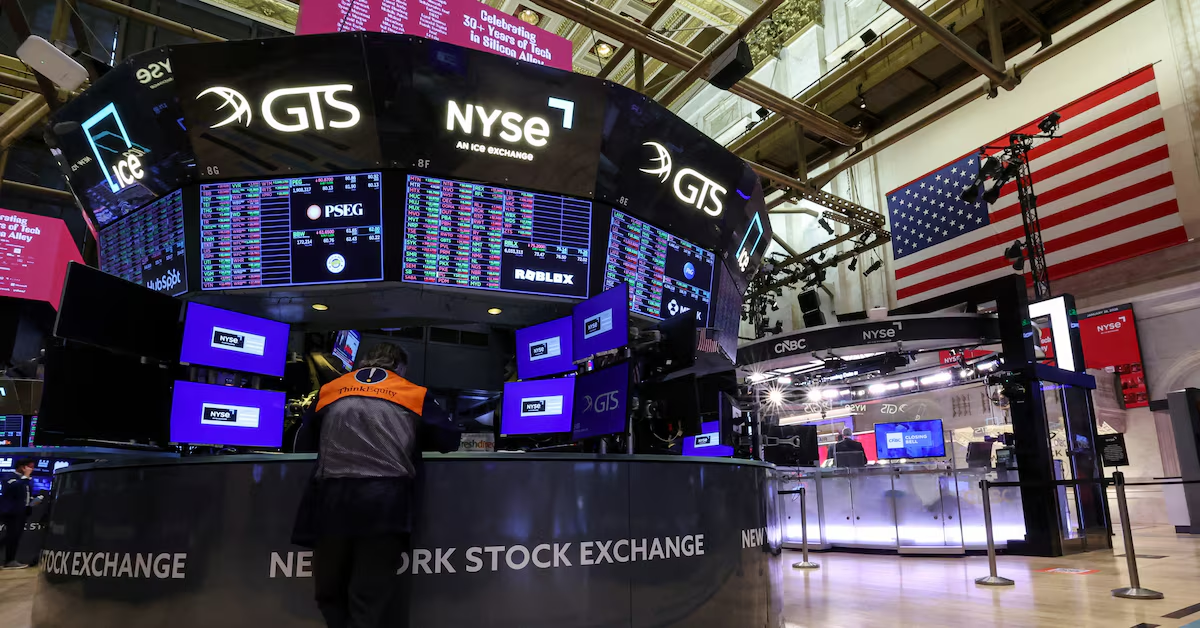
U.S. equity markets opened sharply lower as investors reacted to renewed trade tensions and rising bond yields, signaling a return of volatility after a relatively calm start to the year. The Dow Jones Industrial Average, S&P 500, and Nasdaq Composite all recorded declines, reflecting investor caution amid geopolitical uncertainty and shifting risk sentiment.
Trade Tensions Shake Investor Confidence
Concerns over potential tariffs on key trading partners in Europe and elsewhere have rattled the market. Investors fear that escalating trade disputes could disrupt global supply chains, slow economic growth, and create broader uncertainty for corporate profits. This anxiety prompted a move away from riskier assets toward safer alternatives, including precious metals and short-term bonds.
Bond Market Turbulence Amplifies Equity Losses
The weakness in stocks was compounded by a global sell-off in government bonds, particularly U.S. Treasuries, where yields climbed sharply. Rising yields reduce the present value of future earnings, putting pressure on equities—especially high-growth technology stocks. The interplay between rising bond yields and falling equities highlighted the interconnected nature of global financial markets.
Sector Impacts and Technology Focus
Technology shares led the decline, with heavily weighted Nasdaq components falling more than broader market averages. Industrials and transportation sectors were also hit, as investors grew cautious about potential disruptions from trade and geopolitical tensions.
Corporate earnings remained a central focus. Netflix, in particular, drew attention ahead of its quarterly report. Investors are assessing the company’s strategic moves, including high-profile acquisitions, for their impact on financial health and growth prospects. The outcome of these earnings could influence broader market sentiment in the coming days.
Safe-Haven Shifts and Market Sentiment
Amid the volatility, investors flocked to traditional safe havens. Gold and silver prices rose as risk appetite declined, while demand for shorter-term bonds increased. Currency markets reflected similar caution, with the U.S. dollar softening against major counterparts as uncertainty over policy and trade weighed on sentiment.
Looking Ahead
Markets are now watching several key factors closely:
- Upcoming corporate earnings, which could drive sector-specific or broad-market moves.
- Federal Reserve signals and inflation data, affecting interest rate expectations.
- Trade negotiations and geopolitical developments, especially related to tariffs and global supply chains.
Investors remain cautious, balancing short-term risks against potential opportunities, as global markets navigate the twin pressures of geopolitical uncertainty and volatile financial conditions.















Leave a Reply