

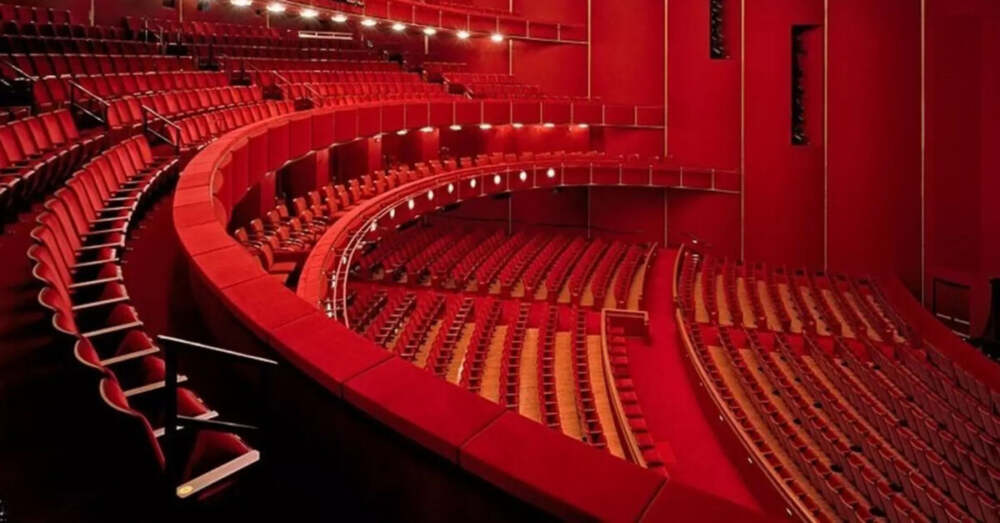
The Washington National Opera has announced a dramatic break from the John F. Kennedy Center for the Performing Arts, ending a 55-year residency that has shaped opera in the U.S. capital for generations. Beginning later this year, the opera company will operate as a fully independent nonprofit organization, staging productions in new venues across Washington rather than at its longtime home.
Founded in 1957 and based at the Kennedy Center since 1971, the Washington National Opera became one of America’s most respected opera institutions, presenting both classic masterpieces and bold modern works. Its departure from the iconic performing arts complex marks one of the most consequential changes in the American cultural world in decades.
The split comes amid major financial and structural changes at the Kennedy Center. Under a new business model, organizations using the center’s stages are now required to fully fund productions before they can be scheduled. For opera companies, which rely on a mix of ticket sales, donations, grants, and sponsorships gathered over long periods of time, this model has proven difficult to sustain. Opera officials said the new system would make it nearly impossible to plan seasons responsibly while maintaining artistic quality.
As a result, the Washington National Opera has decided to step away and redesign its future. The company will reduce the size of its upcoming spring season and transition into a leaner, more flexible structure. Leaders say this will allow the organization to remain financially stable while continuing to bring opera to audiences in the nation’s capital.
The decision is also tied to broader changes at the Kennedy Center itself. Over the past year, the institution has experienced major leadership turnover, including changes to its board and top executives. These shifts have sparked controversy in the arts community, with several performers and organizations canceling appearances or reevaluating their relationships with the center. Many artists have expressed concern that the new direction may not align with long-standing artistic values.
Washington National Opera’s artistic director said the move is painful but necessary, noting that the company’s mission is larger than any single building. While the Kennedy Center has been a treasured home, opera leaders believe independence will give them the freedom to innovate, reach new audiences, and survive in a rapidly changing cultural and economic environment.
Although exact future performance spaces have not yet been announced, the opera plans to remain in Washington and continue serving local, national, and international audiences. Company officials say they are already exploring partnerships with theaters, concert halls, and alternative venues that can support opera in fresh and creative ways.
The departure highlights a deeper challenge facing many major arts institutions: balancing financial sustainability with artistic integrity in an era of rising costs, shifting audiences, and political pressure. For the Washington National Opera, the end of its Kennedy Center chapter is not the end of its story, but the beginning of a new one.
As it prepares for this historic transition, the company is betting that flexibility, independence, and community support will keep opera alive and thriving in the heart of the U.S. capital.
















Leave a Reply