

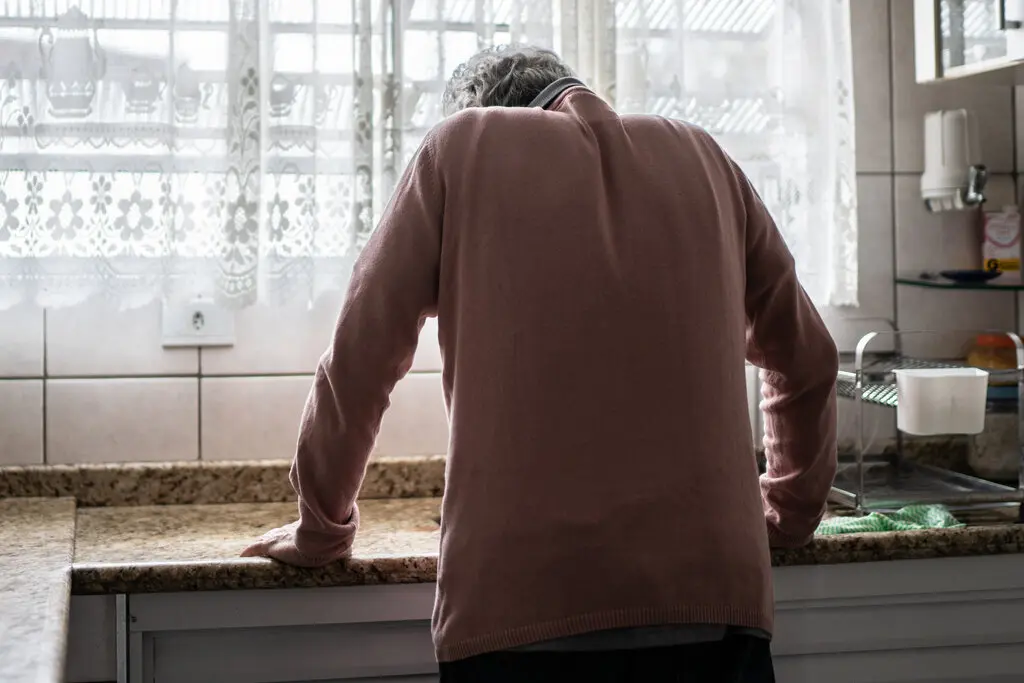
As the cold season approaches, health experts are warning of a surge in norovirus cases, commonly referred to as the “stomach bug.” Highly contagious and notorious for causing sudden bouts of vomiting and diarrhea, norovirus can spread rapidly in households, schools, workplaces, and other communal settings. Understanding how it spreads and taking proactive precautions are essential to protecting yourself and your loved ones.
What Is Norovirus?
Norovirus is a group of viruses that cause gastroenteritis, an inflammation of the stomach and intestines. Symptoms typically appear 12 to 48 hours after exposure and can include nausea, vomiting, diarrhea, stomach cramps, and sometimes fever, headache, and body aches. Although most healthy individuals recover within a few days, the virus can be severe in young children, older adults, and people with weakened immune systems.
Why Norovirus Is So Contagious
One of the reasons norovirus spreads so quickly is its low infectious dose—just a few viral particles can make someone sick. The virus can be transmitted through:
- Direct contact with an infected person, such as caring for someone who is ill.
- Contaminated food or water, particularly raw or undercooked shellfish, salads, or fruits.
- Surface contamination, including doorknobs, countertops, and bathroom fixtures, where the virus can survive for days.
Because of these multiple transmission routes, outbreaks often occur in schools, cruise ships, healthcare facilities, and restaurants.
Preventive Measures to Protect Yourself
Experts emphasize hygiene and sanitation as the most effective ways to prevent infection. Key measures include:
- Frequent Handwashing: Wash hands thoroughly with soap and warm water for at least 20 seconds, especially after using the bathroom or handling food. Alcohol-based hand sanitizers are less effective against norovirus but can be used when handwashing isn’t possible.
- Disinfecting Surfaces: Clean and disinfect commonly touched surfaces with a bleach-based cleaner, particularly in areas where someone is ill.
- Safe Food Practices: Wash fruits and vegetables thoroughly, cook seafood properly, and avoid preparing food for others while experiencing symptoms or within at least 48 hours of recovery.
- Isolation When Sick: Stay home from work, school, or public spaces if you are experiencing symptoms to prevent spreading the virus to others.
Managing Symptoms
There is no specific treatment for norovirus. Most cases resolve on their own, but managing symptoms and preventing dehydration is critical. Health professionals recommend:
- Drinking plenty of fluids, including water, oral rehydration solutions, or broths.
- Resting to allow the body to recover.
- Avoiding solid foods until vomiting subsides, gradually reintroducing bland foods like rice, bananas, and toast.
When to Seek Medical Attention
While most people recover within a few days, immediate medical care is advised if symptoms are severe or persistent, especially in vulnerable populations. Signs that require medical attention include:
- Signs of dehydration, such as dry mouth, dizziness, or decreased urine output.
- High fever, severe abdominal pain, or blood in stool.
- Symptoms lasting more than a few days without improvement.
Looking Ahead
Norovirus outbreaks tend to peak in the colder months, making this season particularly important for vigilance. Public health authorities continue to monitor cases closely and provide guidance for preventing and managing outbreaks. Awareness, hygiene, and responsible behavior remain the best defenses against this highly contagious virus.
By understanding how norovirus spreads and following recommended precautions, individuals can reduce their risk of infection and help protect their communities from seasonal outbreaks.














Leave a Reply