


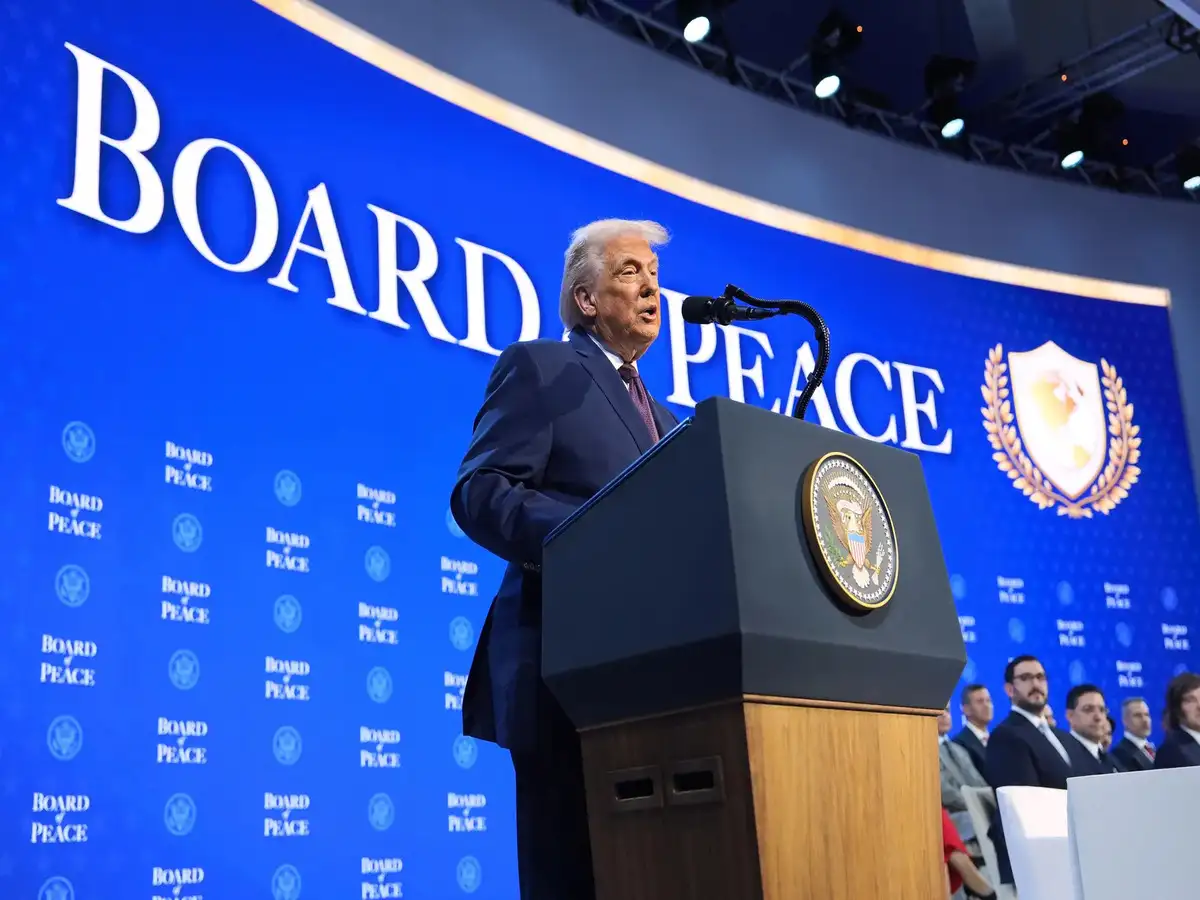
As debate intensifies over the future of Gaza once large-scale fighting subsides, a controversial idea has moved back into the spotlight: the deployment of international troops. According to sources familiar with diplomatic discussions, any plan linked to former U.S. President Donald Trump’s vision for post-war Gaza quietly depends on one crucial factor—whether outside forces are willing and able to provide security on the ground.
The Core Problem: Who Controls Gaza After the War?
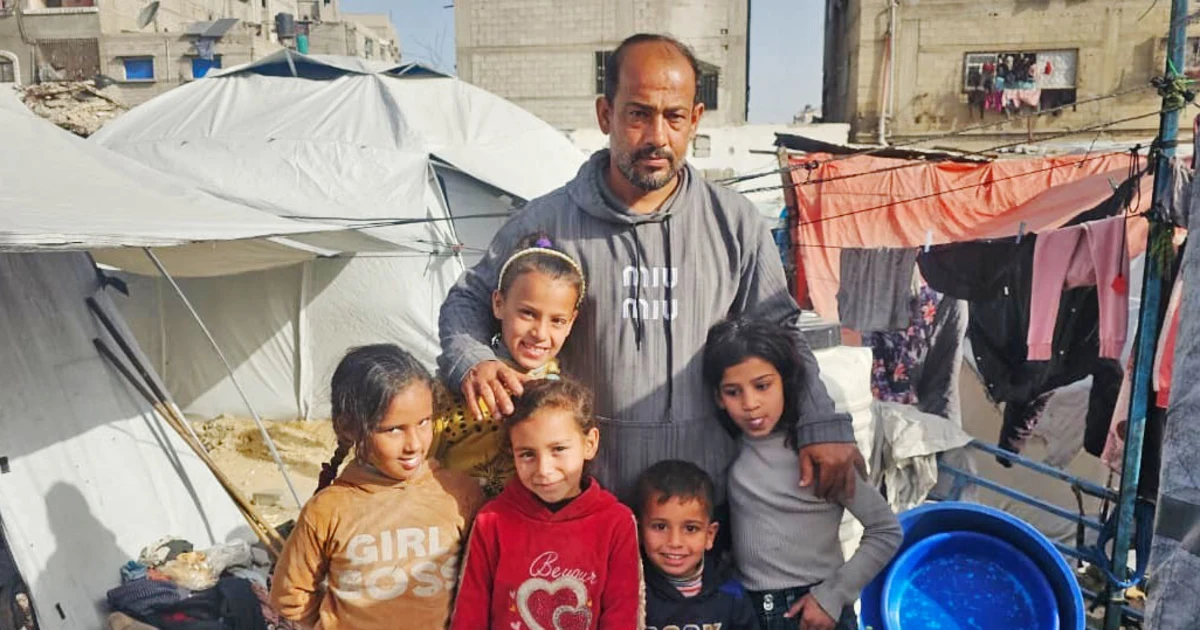
Gaza faces a looming power vacuum. Israel has repeatedly said it does not want long-term control over the territory, while Hamas’s continued presence is viewed by Israel and many Western governments as unacceptable. The Palestinian Authority, weakened and unpopular in Gaza, lacks the capacity to return without strong external backing.
This leaves a central question unanswered: who ensures security, prevents renewed militant activity, and allows reconstruction to begin?
Trump’s approach, according to analysts, assumes that an international force could step in to stabilize Gaza, oversee demilitarization, and create conditions for political restructuring. Without such a force, the plan risks collapsing before it starts.
Why International Troops Matter
International troops would serve several purposes at once. First, they could act as a buffer between rival armed groups, reducing the likelihood of immediate renewed conflict. Second, they could protect humanitarian corridors and reconstruction efforts, which are expected to take years and require sustained security. Third, their presence could reassure donors and regional states that aid will not be diverted or destroyed by renewed fighting.
In Trump-aligned policy thinking, this external force would allow Israel to step back militarily while preventing Hamas or similar groups from reasserting control. It would also reduce pressure on neighboring countries that fear spillover violence.
Who Would Send Troops?
This is where the plan becomes deeply complicated. The United States is unlikely to deploy large numbers of its own soldiers, given war fatigue at home and political resistance to another Middle Eastern mission. European countries, already stretched by commitments elsewhere, are cautious about entering an active and highly volatile conflict zone.
Attention has therefore turned to Arab states. Some Gulf countries possess well-equipped forces, but domestic politics make deployment to Gaza extremely sensitive. Egypt and Jordan, both bordering Israel and deeply invested in regional stability, are wary of being seen as occupying Palestinian territory or becoming targets for militant attacks.
Without broad regional buy-in, an international force risks being viewed not as a neutral stabilizer but as an imposed solution.
Legal and Political Hurdles
Any deployment would require a clear legal mandate, likely involving international or multilateral approval. Even with authorization, rules of engagement would be contentious. Troops would need authority to confront armed groups, secure borders, and manage internal security—tasks that resemble counterinsurgency more than peacekeeping.
There is also the question of legitimacy. Many Palestinians distrust foreign forces, especially if they are perceived as protecting Israeli security interests rather than Palestinian civilians. Without political progress toward Palestinian self-governance, international troops could quickly become a symbol of external control rather than peace.
Why Trump’s Plan Hinges on It
Trump’s broader vision emphasizes burden-sharing, regional responsibility, and reduced direct U.S. involvement. International troops are the mechanism that makes this possible. They provide the enforcement backbone without requiring Washington to take the lead militarily.
If no credible force materializes, the plan faces a stark reality: either Israel remains deeply involved in Gaza’s security, or the territory risks sliding back into chaos. Both outcomes contradict the stated goals of long-term stability and disengagement.
A Gamble With High Stakes
Sending international troops to Gaza would be one of the most complex and risky deployments in recent history. It would require unprecedented coordination, sustained funding, and political courage from multiple capitals. Yet without it, post-war plans—whether associated with Trump or any other framework—may never move beyond paper.
As diplomatic maneuvering continues, the question is no longer whether Gaza needs security guarantees, but whether the international community is willing to shoulder the responsibility that such guarantees demand.










Leave a Reply