

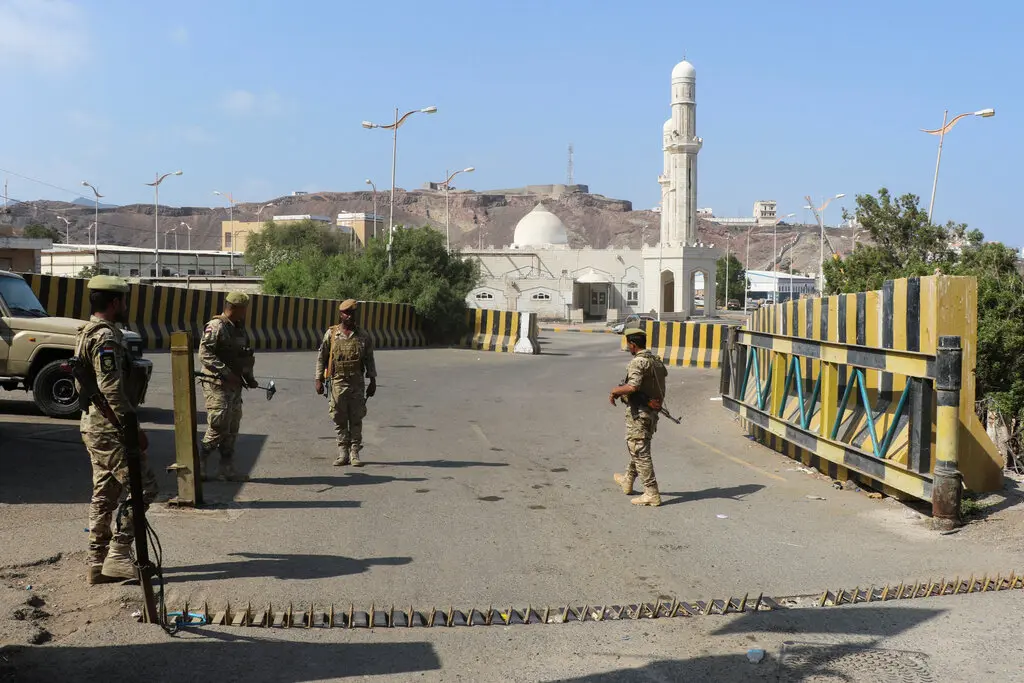
Yemen’s fragile political landscape is facing renewed uncertainty as southern separatist forces intensify their push for autonomy. The Southern Transitional Council (STC), which has long sought independence for Yemen’s southern regions, has stepped up military and political activity, raising questions about the sustainability of ongoing peace efforts.
The STC controls significant territory in southern Yemen, including the port city of Aden, and has maintained a complex, sometimes tense, relationship with the internationally recognized government. Recent moves by the separatists to expand administrative and military influence have reignited fears of clashes that could undermine the hard-won gains from the 2019 Riyadh Agreement, which aimed to unify rival factions and stabilize governance.
Analysts suggest the timing of the STC’s push is strategic. With ongoing humanitarian crises, economic collapse, and the pressure of external actors, the southern separatists are leveraging both local dissatisfaction and political deadlock to strengthen their bargaining position. The move also signals frustration with perceived slow progress in national governance, reconstruction, and service delivery.
Despite the heightened tensions, international actors, including the United Nations and regional powers, have called for restraint. Diplomatic efforts continue to emphasize dialogue over force, stressing that renewed conflict could exacerbate Yemen’s already dire humanitarian situation, displace more civilians, and further destabilize the region.
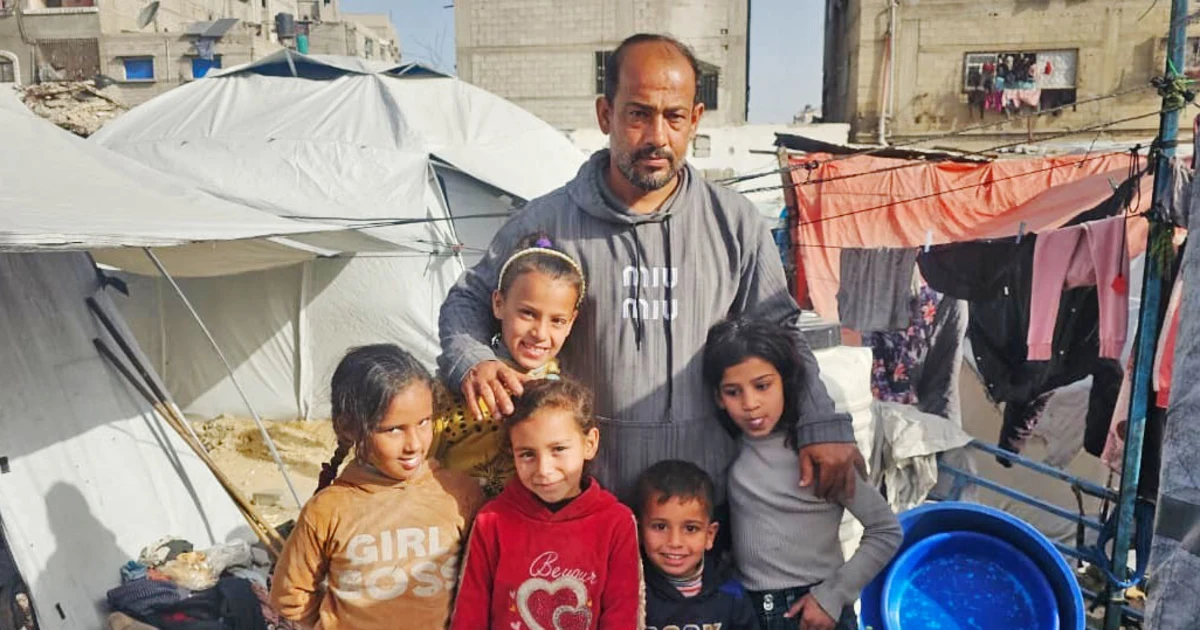
For Yemenis on the ground, the uncertainty is tangible. Communities in southern provinces fear that political posturing could quickly turn into violent confrontations, while the country’s fragile economy struggles to meet basic needs. Observers warn that unless meaningful negotiations and compromises occur, the southern separatist push could destabilize a peace process that has already proven fragile and brittle.
The coming months will be crucial in determining whether Yemen can maintain a tenuous stability or whether internal divisions will plunge the country back into wider conflict, threatening both regional security and humanitarian recovery.








Leave a Reply