

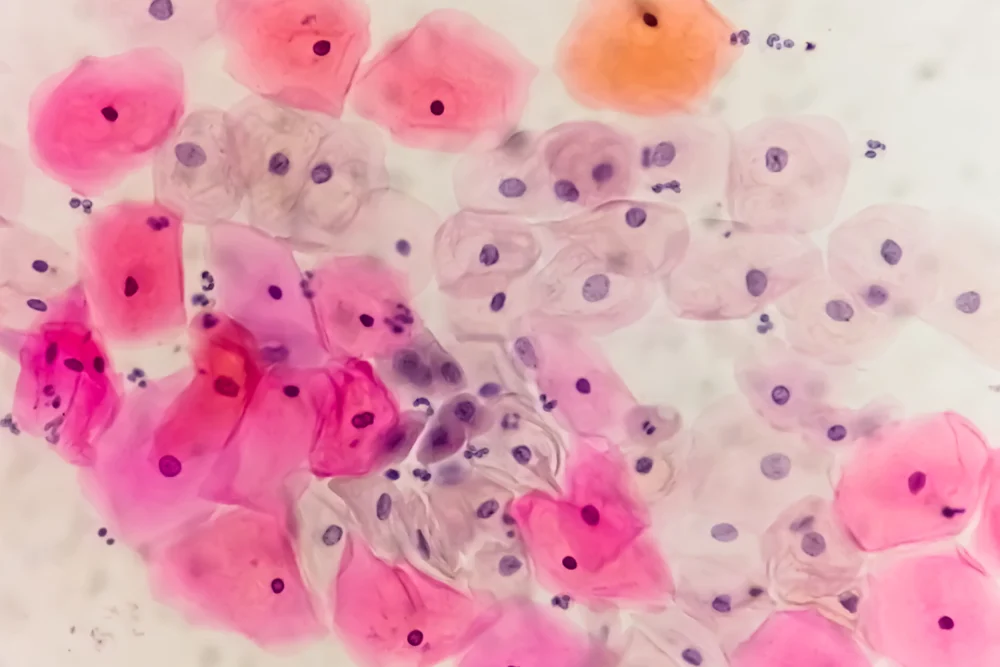
The American Cancer Society (ACS) has updated its guidance to allow self‑swab HPV tests as an acceptable option for cervical cancer screening. This represents a major step in making screening more accessible, convenient, and less invasive for women.
Under the new recommendation, individuals with a cervix can use a self‑collected vaginal sample for a primary HPV test — the preferred method for detecting cervical cancer risk — starting at age 25 and repeated every five years. Self‑swabbing offers an alternative to traditional clinician-collected samples, particularly for those who may feel discomfort, anxiety, or logistical challenges with in-office pelvic exams.
Research indicates that self-collected samples are highly accurate for identifying high-risk HPV types, comparable to samples collected by healthcare providers. Experts believe that offering this option may improve screening rates, particularly among populations who face barriers to routine gynecological care, helping to catch precancerous conditions early.
However, the ACS notes that individuals with prior abnormal results, a history of cervical disease, or other high-risk conditions should continue with clinician-collected tests, as self-swabbing has limited long-term data for high-risk follow-up.
By introducing self-swab testing, the ACS aims to expand access to preventive care, reduce missed screenings, and provide women with more flexibility and privacy in managing their health. This policy shift highlights the ongoing evolution of cervical cancer prevention strategies and emphasizes early detection as a key tool in reducing cancer incidence.








Leave a Reply