

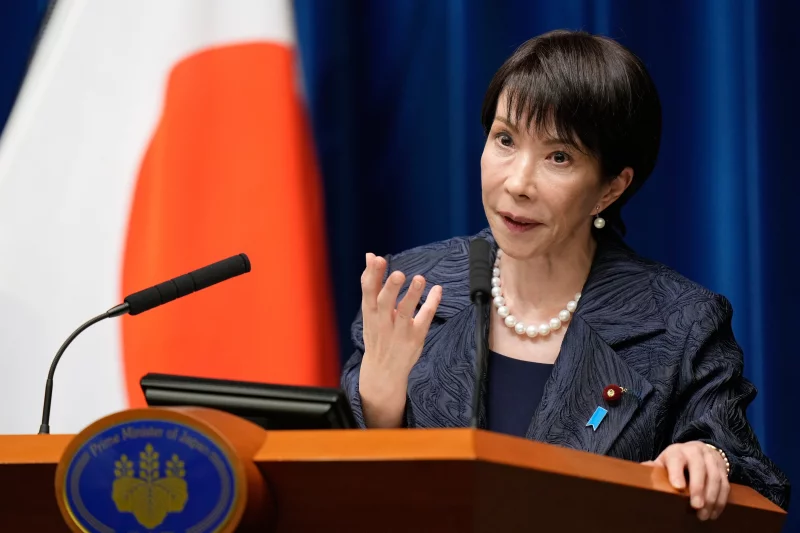
China has intensified a sweeping diplomatic campaign aimed at isolating Japan on the international stage, escalating tensions between Asia’s two largest economies over the increasingly volatile Taiwan issue. The push reflects Beijing’s growing frustration with Tokyo’s alignment with the United States and its recent statements signaling stronger support for Taiwan’s security.
A Calculated Diplomatic Offensive
According to regional observers, Beijing has been engaging a wide network of countries across Asia, Africa, and Latin America, urging them to publicly reaffirm the “One China” principle and distance themselves from Japan’s recent remarks on Taiwan. Chinese diplomats have reportedly framed Japan’s position as a destabilizing move that threatens regional peace and undermines post-war geopolitical norms.
China’s outreach includes high-level meetings, targeted economic incentives, and public messaging campaigns—all designed to reinforce global support for Beijing’s sovereignty claims while portraying Japan as an escalating actor in East Asia.
Why Taiwan Has Become the Flashpoint
Japan has heightened its focus on Taiwan in recent years, citing concerns that instability in the Taiwan Strait could directly affect Japanese security. With key islands lying only a short distance from Taiwan, Tokyo has warned that any conflict in the region would have “serious consequences” for Japan.
China, however, views Japan’s involvement as unwarranted interference. Officials in Beijing have accused Tokyo of “overstepping historical boundaries” and “echoing U.S. containment strategies,” sharpening a longstanding rivalry rooted in both modern geopolitics and historical memory.
Targeting Japan’s Global Relationships
Beijing’s strategy appears two-pronged: strengthen alliances among countries sympathetic to China’s position while pressuring undecided nations to remain silent or neutral. This includes:
- Leveraging economic partnerships with Belt and Road participants
- Highlighting Japan’s wartime history to sway countries in Asia with memories of imperial occupation
- Framing Japan’s pro-Taiwan stance as provocative, contrasting it with China’s calls for “regional stability”
- Working through multilateral forums to rally support for Beijing’s narrative
The message from China is clear: any nation openly supporting Japan’s stance risks straining its relationship with the world’s second-largest economy.
Japan Holds Firm, Calls China’s Moves “Predictable”
Tokyo has largely brushed off China’s diplomatic efforts, arguing that ensuring peace and stability in the Taiwan Strait is in the shared interest of the entire international community—not just Japan.
Japanese officials insist that Tokyo’s relationship with Taiwan is consistent with longstanding policy, and they have accused Beijing of attempting to “bully” other nations into silence. Analysts in Japan say the diplomatic offensive underscores China’s discomfort with Japan’s rising visibility in regional security discussions, particularly its closer coordination with the U.S. and other Indo-Pacific partners.
A New Front in the China–Japan Rivalry
The feud comes at a time when both nations are navigating shifting global power structures. The United States is urging regional allies—including Japan—to play a more assertive role in countering perceived Chinese expansion. Beijing sees these moves as attempts to undermine its sovereignty claims and weaken its strategic influence.
As China steps up pressure and Japan fortifies alliances, the diplomatic battleground surrounding Taiwan is widening. The more actively Japan speaks on Taiwan’s security, the more vigorously China appears determined to counter those efforts.
A Tense Road Ahead
While neither side seeks open conflict, the intensifying diplomatic confrontation signals a more confrontational era in East Asian geopolitics. With Taiwan at the center of the dispute, the actions taken by Beijing and Tokyo in the coming months could reshape regional alliances and global perceptions.
For now, China’s message to the world remains firm—and so does Japan’s response. The question is how long the rest of the international community can remain on the sidelines as two major powers clash over one of Asia’s most sensitive issues.











Leave a Reply