

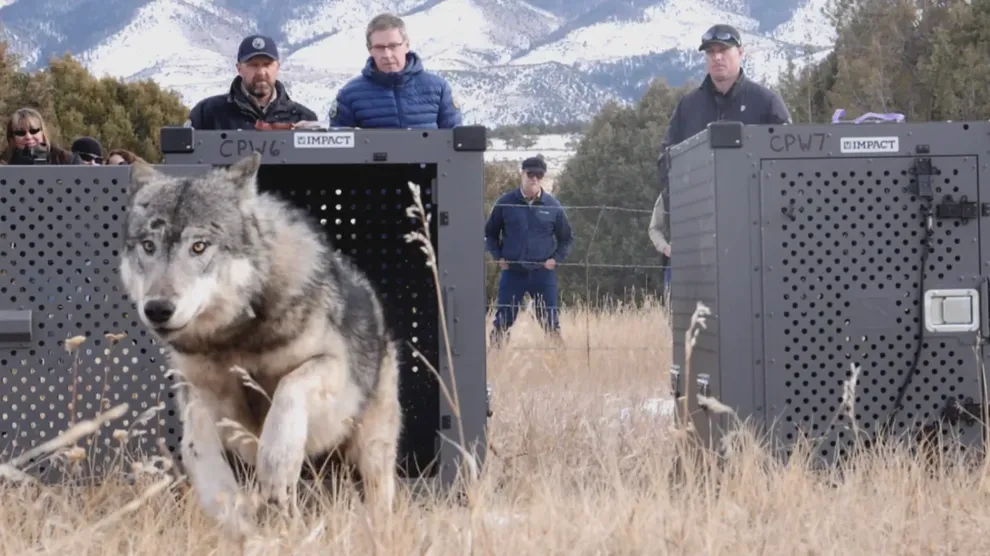
After decades without gray wolves, Colorado has reintroduced these apex predators to restore ecological balance and support biodiversity. The reintroduction was celebrated as a major conservation milestone, but recent reports indicate that a worrying number of wolves are dying, raising questions about the challenges facing their survival.
The Return of the Wolves
Wolves are a keystone species, helping regulate deer and elk populations, which in turn affects vegetation and overall ecosystem health. Their presence in Colorado marks a step toward restoring natural balance in the state’s forests, mountains, and grasslands. The program has been closely monitored, with scientists tracking wolf movements, pack formation, and adaptation to the environment.
Causes of High Mortality
Despite the successful reintroduction, many wolves are dying due to a combination of natural and human-related factors:
- Human Conflict: Wolves sometimes come into contact with livestock or roads, leading to accidental or intentional deaths. Encounters with hunters and property owners remain a significant risk.
- Environmental Challenges: Harsh winters, disease, and scarcity of prey can disproportionately affect young wolves and newly established packs.
- Territorial Disputes: Wolves are fiercely territorial. Clashes between packs or with solitary wolves can result in injuries or fatalities.
Balancing Conservation with Human Interests
The return of wolves has sparked debates among ranchers, conservationists, and government officials. Livestock predation is a concern, prompting discussions about compensation programs and preventive measures such as predator-proof fencing. Officials emphasize that coexistence requires education, awareness, and proactive management to reduce human-wolf conflicts.
Scientific Monitoring and Adaptation
Wildlife biologists are using GPS collars and field observations to study wolf behavior and mortality patterns. Early data suggest that while the animals are adapting to their new environment, human activity remains one of the most significant threats. Researchers stress that long-term survival will require ongoing management, habitat protection, and community cooperation.
Looking Ahead
The reintroduction of wolves to Colorado is a landmark achievement in conservation, but the high mortality rates highlight the complex realities of wildlife restoration. Officials and scientists remain committed to monitoring the population, mitigating threats, and ensuring that wolves can thrive alongside human communities.
The story of Colorado’s wolves underscores the delicate balance between conservation success and the challenges of protecting predators in human-dominated landscapes.


















Leave a Reply