

Hong Kong is reeling after one of the deadliest residential fires in its recent history, with the official death toll climbing to 146 as rescue teams continue to search the charred remains of a high-rise apartment block. Authorities described the incident as a “wake-up call” for the entire city, prompting difficult questions about building safety, emergency preparedness, and urban living conditions in one of the world’s most densely populated regions.
A Night of Chaos and Tragedy
The fire erupted late at night, quickly spreading through multiple floors of the aging apartment complex. Witnesses reported thick smoke filling stairwells, alarms failing to sound in some units, and residents trapped at upper levels as flames engulfed escape routes.
Firefighters battled the blaze for hours, pulling survivors from windows and balconies while searching for those who could not escape. Many of the victims were families, including elderly residents and children, highlighting the vulnerability of those living in older buildings.
Emergency services described the scene as “one of the most challenging operations in years,” citing blocked corridors, outdated fire-prevention systems, and the sheer scale of the blaze.
Questions Over Building Safety
In the aftermath, concern has turned to Hong Kong’s aging housing stock. Many of the city’s older residential buildings were constructed decades ago, often under regulations far less stringent than today’s standards. Investigators are now examining whether faulty wiring, overloaded electrical systems, or neglected fire-safety equipment played a role in the disaster.
Residents of nearby buildings reported similar concerns, saying they fear their properties may also be at risk. Advocacy groups are calling on the government to launch citywide inspections, prioritizing older and densely occupied complexes.
Government Response and Public Outcry
Hong Kong officials expressed sorrow for the victims and pledged a full investigation. Authorities have promised immediate support to families affected by the tragedy, including housing assistance, medical care, and financial aid.
However, the public reaction has been swift and emotional. Many are demanding accountability and urgent reform, arguing that years of warnings about building safety were ignored.
Civil safety experts say the tragedy exposes long-standing issues: overcrowding, insufficient maintenance, and outdated fire-protection infrastructure. They warn that without rapid reforms, similar disasters could occur again.
A City in Mourning
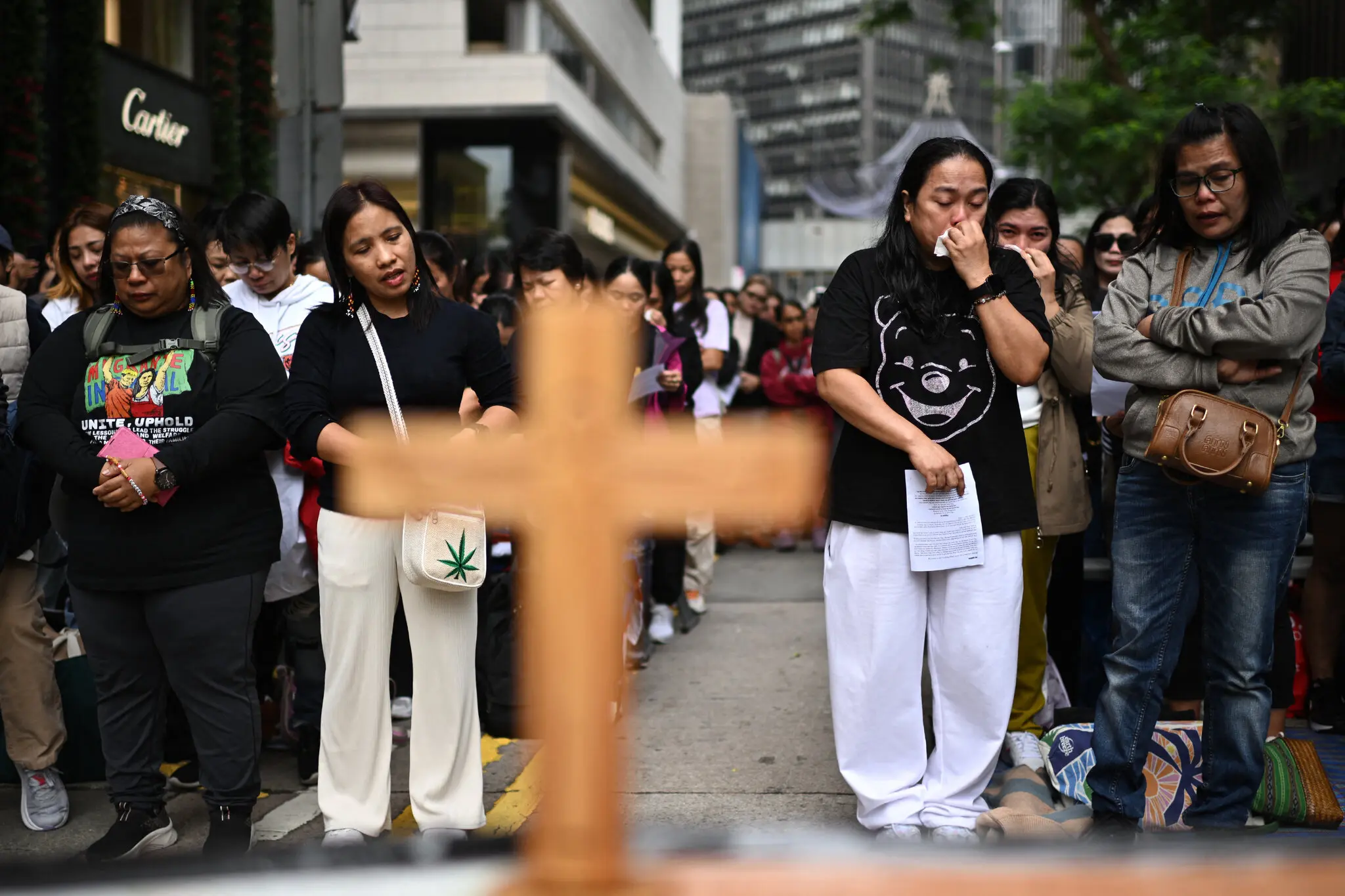
Vigils have begun forming across the city as communities honor the victims. Messages of grief and solidarity are pouring in, with many calling for systemic changes to ensure such a tragedy is never repeated.
For Hong Kong, the fire is not just a heartbreaking event—it is a turning point. The magnitude of the loss has sparked a collective demand for safer, more accountable living conditions, and a renewed focus on protecting residents in one of the world’s most vertical cities.
As investigations continue, one message echoes from survivors, officials, and citizens alike: this must be the disaster that finally drives meaningful change.
















Leave a Reply