

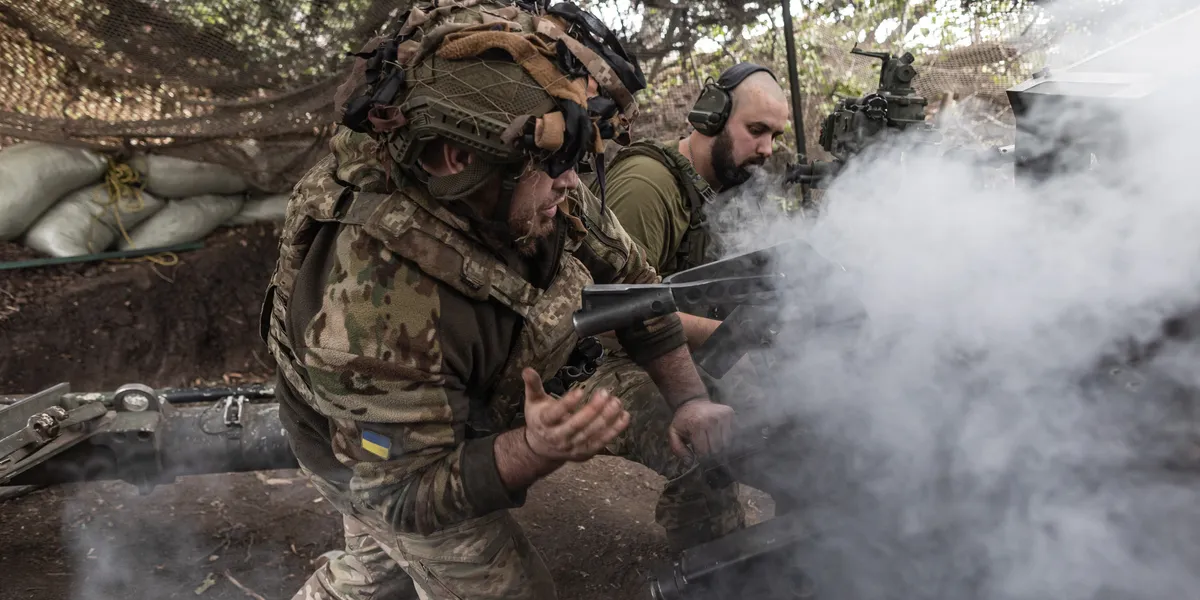
Copenhagen — Danish authorities are sounding the alarm over a wave of mysterious drone incursions targeting airports and critical infrastructure, warning that Europe may be entering a new phase of confrontation — one in which warfare is waged in the shadows as much as it is on battlefields.
Drone Threats Disrupt Danish Airspace
In recent nights, drones have flown over multiple Danish airports, including facilities that also support military operations. These overflights forced temporary airport closures and widespread disruption to civilian flight operations. The incidents come hot on the heels of a more dramatic earlier drone incursion that shut down the main Copenhagen Airport for several hours.
Officials describe the operations as “systematic” and deliberate. Denmark’s defense leadership has labeled the pattern of incursions a hybrid attack — meaning the objective goes beyond physical damage to include sowing fear, undermining stability, and testing defenses.
Prime Minister: A “Serious Attack” on Infrastructure
Prime Minister Mette Frederiksen condemned the drone activity as among the most serious assaults on Denmark’s infrastructure in modern times. While she has not publicly assigned blame, she refused to rule out links to Russia, citing a broader pattern of Russian drone and airspace violations across Europe.
Authorities say the drones exhibited advanced flying patterns: entering from multiple directions, switching lights on and off, and disappearing after completing their missions. Danish police and intelligence services are investigating multiple theories, including the possibility the drones were launched from vessels in surrounding waters.
Europe Under Strain: A Pattern Emerging
Denmark’s warnings come amid a wider spate of suspected hybrid warfare across Europe. In recent weeks, several nations have reported unauthorized drone incursions or airspace violations traced to Russian actors or proxies. These events suggest a strategic shift: less about direct confrontation, more about pressure, probing, and disruption.
For Denmark and its neighbors, the message is clear — no area is off-limits in modern conflict. Critical infrastructure, civilian aviation hubs, even the invisible pathways of airspace are now arenas of tension.
Responses and Risks Ahead
- Defense posture and alliances: Denmark is coordinating closely with NATO and European security partners to assess airspace threats and response options.
- Legal and operational changes: New legislation may grant authorities and infrastructure owners the power to neutralize drones in restricted zones. Surveillance, detection, and counter-drone systems will be prioritized.
- Risk of escalation: The ambiguity of responsibility complicates response. Accusations without proof may inflame tensions — especially if any country formally accuses another of direct involvement.
- Psychological and symbolic effect: Hybrid attacks thrive on uncertainty and fear. Even without significant physical damage, attacks aimed at disruption can erode public confidence and heighten insecurity.
This episode underscores a pivotal shift in European security dynamics: warfare no longer stays on the battlefield, but moves into the skies, the networks, the infrastructure, and the minds of citizens. Denmark’s response — and that of its allies — may set the tone for how Europe responds to this blurred frontier of conflict.















Leave a Reply