

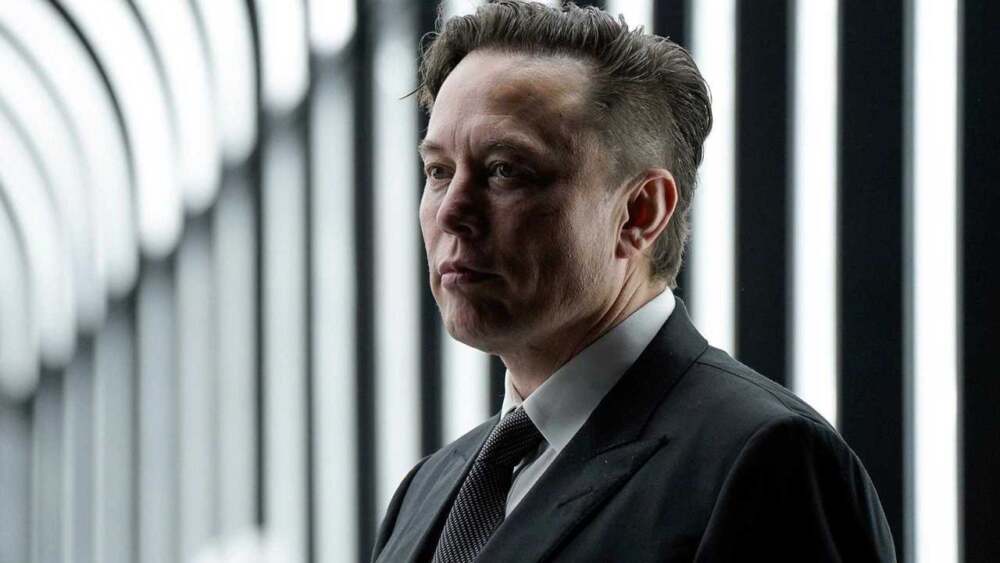
In a decision that has stunned the corporate world, Tesla shareholders have approved an unprecedented pay package for CEO Elon Musk — one that could be worth as much as $1 trillion over the next decade if the company meets its ambitious performance goals. The vote marks one of the largest executive compensation deals in history, symbolizing both immense faith in Musk’s leadership and growing controversy over corporate governance at the electric vehicle giant.
A Record-Breaking Compensation Plan
The newly approved plan links Musk’s compensation entirely to performance milestones, meaning he will not receive a salary or traditional bonuses. Instead, he will earn Tesla stock options when specific targets are achieved. Among the key milestones are:
- Raising Tesla’s market capitalization to $8.5 trillion, up from its current valuation of around $1.4 trillion.
- Delivering 20 million electric vehicles annually within ten years, far exceeding current global production.
- Successfully deploying one million humanoid robots, signaling Tesla’s expansion into artificial intelligence and robotics beyond the automotive sector.
- Maintaining strong profitability while scaling its manufacturing capacity across multiple continents.
If all targets are met, analysts predict Musk could become the world’s first trillionaire — a figure once thought impossible for a single individual.
Confidence and Controversy
Supporters of the package argue that Tesla’s transformation under Musk justifies such an extraordinary incentive. Since taking the helm, Musk has turned the company from a struggling startup into one of the most valuable corporations on the planet. They claim the plan ensures that his compensation depends solely on company success and shareholder gains, not guaranteed pay.
However, critics have raised alarms about the plan’s sheer scale. Governance experts and some institutional investors argue that granting such immense power and wealth to one individual risks undermining the company’s accountability. Others question whether Tesla can realistically meet the outlined goals, given rising competition in the electric vehicle and AI markets.
Despite the backlash, shareholder approval indicates that many investors remain loyal to Musk, viewing him as the driving force behind Tesla’s innovation and global dominance.
The Vision Behind the Reward
Musk’s objectives extend well beyond electric vehicles. Tesla’s next decade is expected to focus on full autonomy, robotics, and energy systems that could reshape global industries. His push to produce humanoid robots — known as “Optimus” — and expand Tesla’s AI capabilities reflects his belief that the company will eventually play a central role in building the infrastructure for an automated future.
At the same time, Tesla plans to dramatically scale up its battery production, renewable energy storage, and software-driven vehicle networks. Achieving these goals would position Tesla not merely as a car manufacturer, but as a cornerstone technology company in the era of artificial intelligence and automation.
Economic and Social Implications
The trillion-dollar figure has sparked debates about wealth inequality and corporate responsibility. Critics say such massive payouts highlight the growing gap between executives and workers, especially at a time when global inflation and automation threaten jobs in multiple sectors. Supporters counter that Musk’s leadership has generated enormous shareholder value and accelerated the global shift toward sustainable energy.
Financial experts note that while the package’s potential value is staggering, it remains largely hypothetical — dependent on Tesla’s ability to sustain record-breaking growth in a highly competitive market. Should the company falter, much of the promised compensation could remain unrealized.
What Comes Next for Tesla
The coming years will test whether Tesla can achieve the impossible. The company faces intensifying competition from global automakers, ongoing supply chain challenges, and regulatory scrutiny over autonomous driving technology. Yet, Musk’s track record of defying expectations continues to inspire both investors and critics alike.
If Tesla succeeds in meeting its ambitious goals, it could redefine what is possible for corporate innovation — and cement Elon Musk’s place in history as one of the most influential business leaders of all time. But if it falls short, the trillion-dollar plan may be remembered as one of the most audacious gambles in modern capitalism.












Leave a Reply