

High-level peace negotiations aimed at resolving the ongoing conflict in Gaza have entered a crucial phase as officials from Israel, Hamas, the United States, and regional mediators convene in Sharm el-Sheikh, Egypt. The talks, which have drawn significant international attention, focus on establishing a ceasefire, implementing a prisoner exchange, and laying the groundwork for longer-term political solutions.
The Context of the Conflict
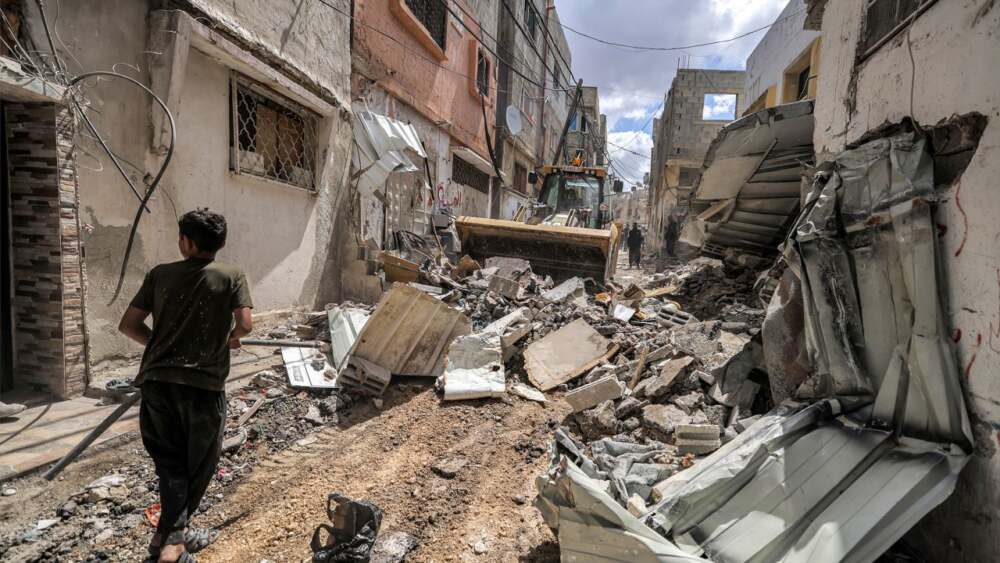
The Gaza conflict has claimed tens of thousands of lives and displaced hundreds of thousands over the past two years. Repeated clashes between Israeli forces and Hamas have created a humanitarian crisis, with urgent calls for intervention from the international community. The current peace initiative, spearheaded by the United States, seeks to address immediate humanitarian needs while simultaneously tackling the underlying political and security challenges.
U.S.-Proposed Peace Framework
Central to the negotiations is a U.S.-proposed plan that outlines a multi-step approach to achieving peace. The plan includes:
- Immediate Ceasefire: Halting all hostilities between Israel and Hamas.
- Hostage Release: Securing the release of 48 hostages currently held by Hamas.
- Israeli Troop Withdrawal: Phased withdrawal of Israeli forces from key areas in Gaza.
- Hamas Disarmament: Requiring Hamas to relinquish heavy weaponry as part of the ceasefire conditions.
- International Oversight: Establishing a multinational body to monitor compliance, assist in reconstruction efforts, and ensure long-term stability.
Israeli officials have expressed conditional support for the plan, emphasizing the need for security guarantees and robust mechanisms to prevent renewed conflict.
Hamas’s Role and Prisoner List Submission
In a significant step toward progress, Hamas has submitted a detailed list of prisoners it wishes to see released in exchange for hostages held in Gaza. The list includes individuals detained during the current conflict as well as those serving sentences for prior offenses.
Negotiators are reviewing the list alongside Israeli proposals for troop withdrawals and security arrangements. The exchange of lists signals a willingness on both sides to engage constructively, though major challenges remain, particularly regarding disarmament, governance of Gaza, and enforcement of ceasefire terms.
International Mediation and Involvement
The presence of key international mediators underscores the importance of these negotiations. U.S. Special Envoy Steve Witkoff and former White House advisor Jared Kushner have been instrumental in coordinating discussions between the parties. Egyptian President Abdel Fattah El-Sissi has hosted the talks and emphasized the need for swift progress on ceasefire, reconstruction, and political processes.
Other influential figures, including Israeli Strategic Affairs Minister Ron Dermer and senior Hamas representatives such as Taher al-Nunu and Khalil al-Hayya, are actively engaged in the discussions. Regional actors, including the Arab League and Gulf states, are closely monitoring developments, with potential implications for broader Middle East diplomacy and normalization agreements with Israel.
Humanitarian and Reconstruction Concerns
Beyond security and political issues, the talks also address urgent humanitarian needs. Gaza’s infrastructure has been severely damaged, with electricity, water, and healthcare systems strained to the breaking point. International organizations have called for the immediate delivery of aid, while the proposed peace plan includes measures to facilitate reconstruction and economic recovery.
Challenges Ahead
Despite promising signs, the negotiations face significant hurdles. Hamas remains cautious about disarmament and the degree of international oversight, seeking assurances that Israel will not resume military operations post-ceasefire. Israel, meanwhile, requires credible guarantees that any agreement will prevent further attacks and maintain national security.
The governance of Gaza remains another sticking point. Both sides must find a formula that ensures stability, allows for reconstruction, and lays the foundation for a political solution acceptable to both Israelis and Palestinians.
Regional and Global Implications
The success of the Sharm el-Sheikh talks could have far-reaching implications for the region. Egyptian officials have indicated that progress could lead other Arab nations to consider expanding relations with Israel, potentially revitalizing the Abraham Accords framework. The international community views these negotiations as a test case for conflict resolution in a region long plagued by political and sectarian tensions.
Outlook
As the talks continue, there is cautious optimism that meaningful progress can be achieved. The exchange of prisoner lists, discussions over troop withdrawals, and involvement of international mediators all represent steps toward a potential resolution.
However, the path to peace remains fraught with challenges, including deep-rooted mistrust, enforcement of agreements, and balancing humanitarian needs with political and security objectives. Analysts emphasize that while a breakthrough is possible, it will require careful diplomacy, mutual compromise, and sustained international support.
Conclusion
The current round of Gaza peace talks in Egypt represents a pivotal moment in one of the world’s most enduring conflicts. With high-level officials engaging in complex negotiations over ceasefires, prisoner exchanges, and long-term political arrangements, there is hope for progress that could save lives, stabilize the region, and lay the foundation for lasting peace.













Leave a Reply